 Wines
Wines
 Enotourism
 Gastronomy


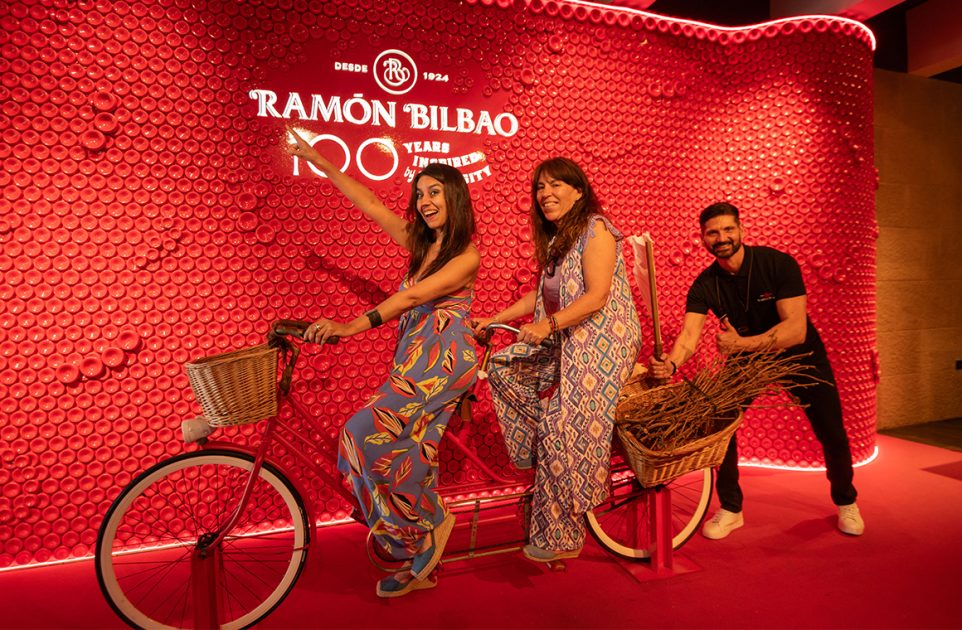
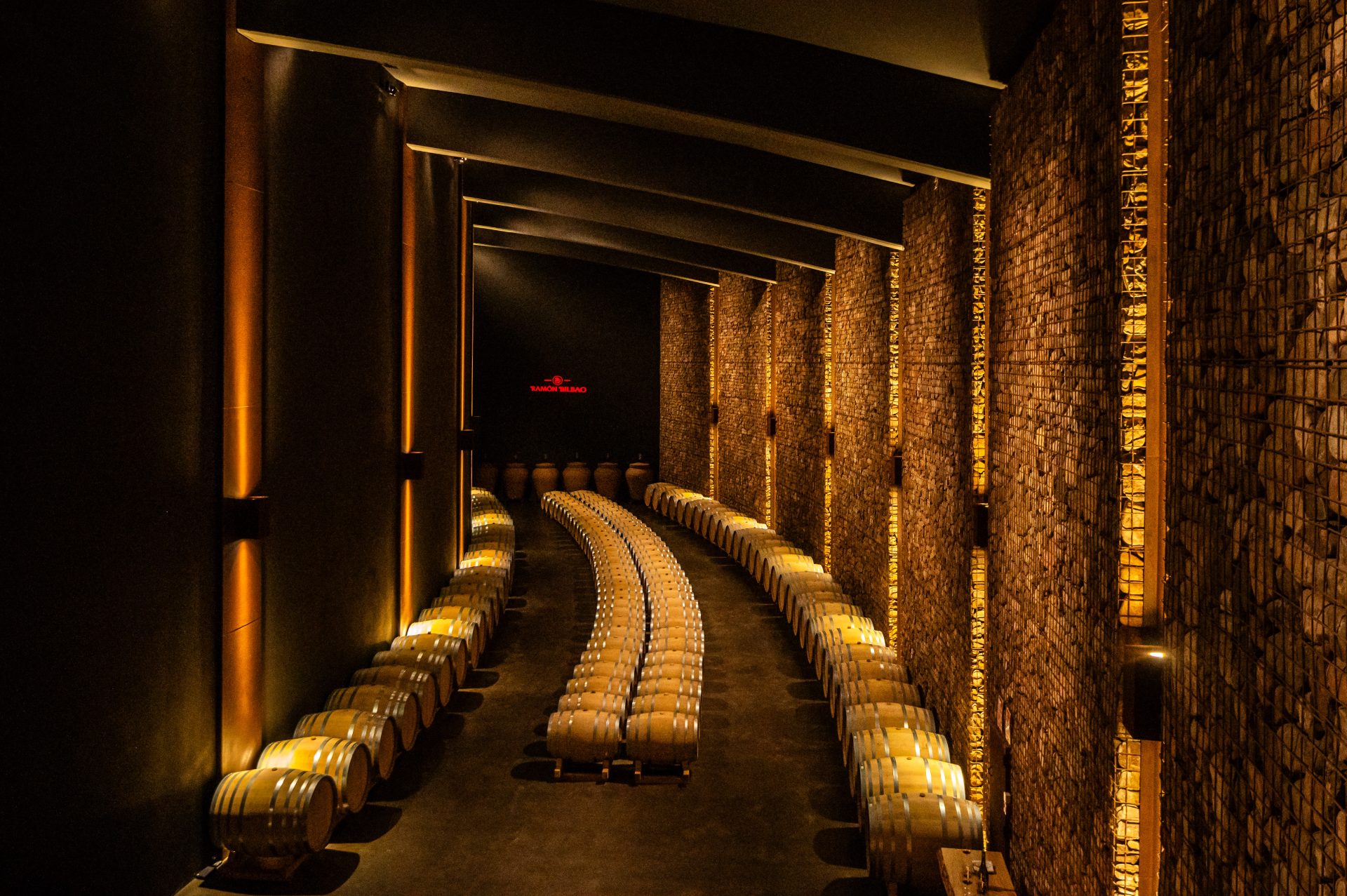
The latest recognition awarded to the wine tourism project at Bodegas Ramón Bilbao at the Best Of Wine Tourism 2026 once again brings a key conversation to the forefront of the wine industry: the role of wine tourism as a strategic, cultural and economic driver of wine.
Beyond the numbers, wine tourism is increasingly becoming a space where brands build narrative, identity and an emotional bond with consumers.
In this context, we talked to Zaida Semprún, Head of Wine Tourism at Bodegas Ramón Bilbao, who shares an in-depth vision of how wine tourism experiences are evolving, the challenges facing the sector, and the opportunities opening up for wine-producing countries such as Chile.
From sensory innovation to territorial cooperation, this exclusive interview for De Chile Al Paladar offers valuable insights into why wine today is experienced - and remembered - far beyond the glass.
Ramón Bilbao’s recent award at the Best Of Wine Tourism 2026 highlights sensory innovation and the opening of new spaces to the public. How do you see the evolution of wine tourism experiences worldwide, and what elements do you consider most relevant for a destination to be regarded as innovative today?
Tourism has evolved from being a passive observer — particularly in immersive and wine-and-food experiences — to becoming an active participant in the story. Traveler participation is what allows people to learn, enjoy themselves, and ultimately become brand ambassadors.
In my view, the most innovative destinations are those that adapt their wine tourism offerings most quickly to the constant and growing changes in travelers’ expectations.
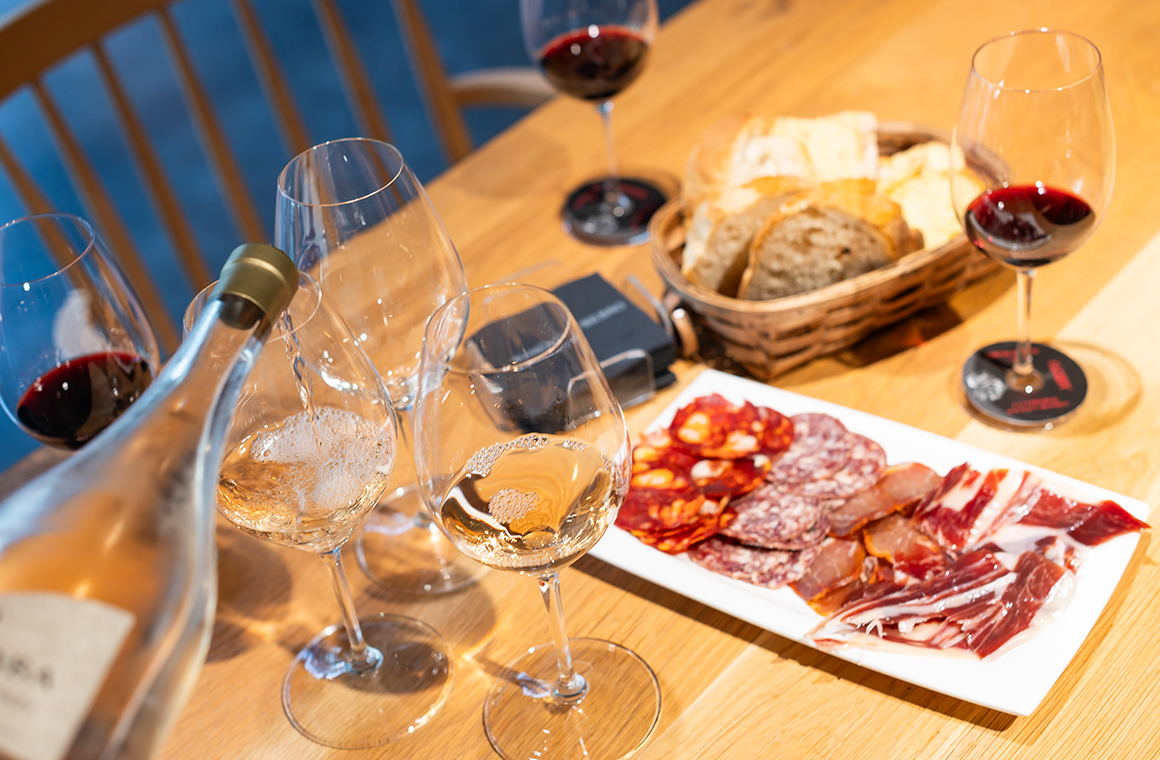
In your opinion, what elements should wine tourism experiences include in order to emotionally connect with visitors and create a truly memorable experience?
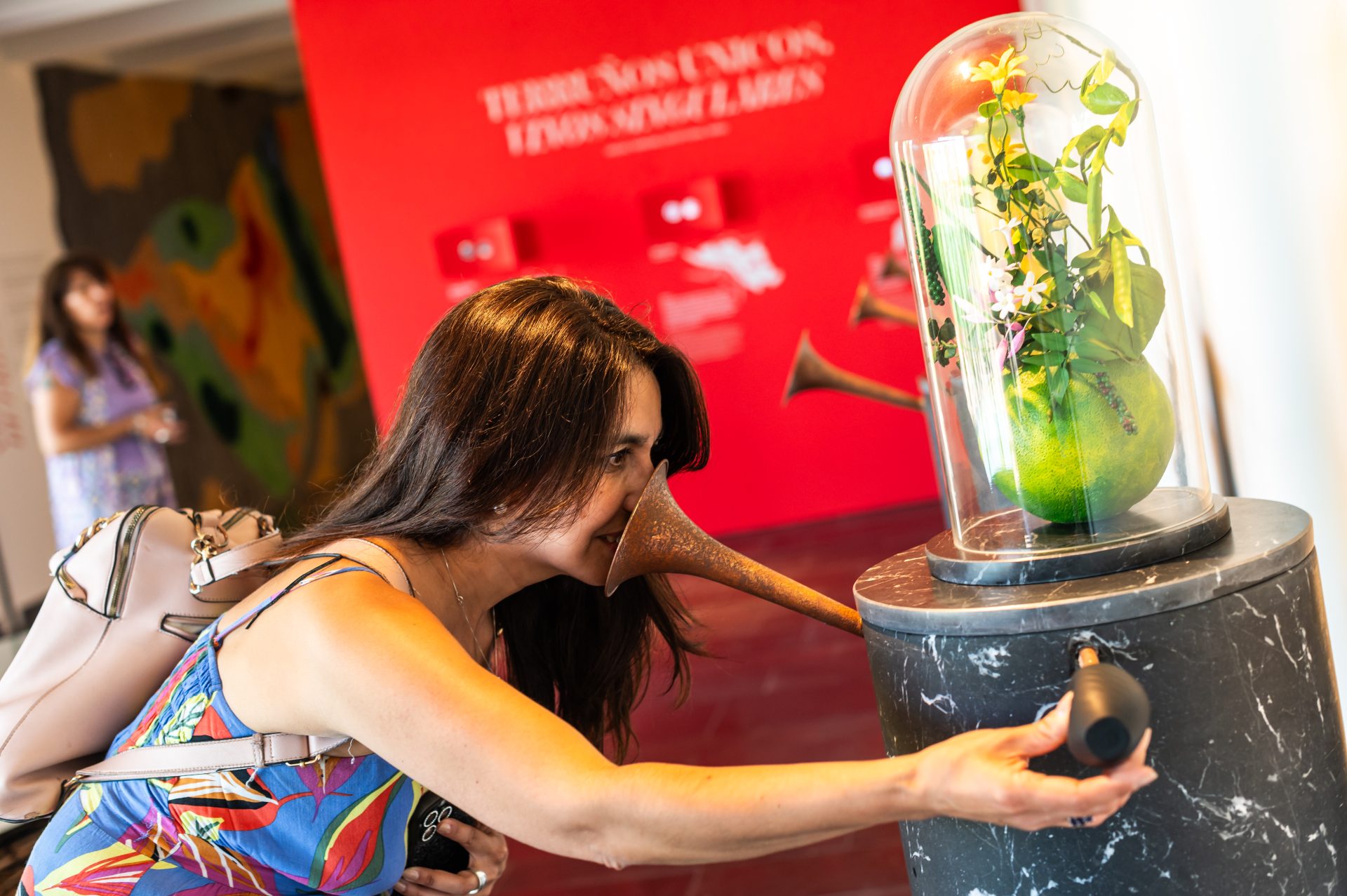
The key is for the experience to engage all of our senses. Even though these may be perceived differently — and cultural backgrounds vary in terms of aromas, flavors and expectations — positive emotions have the same effect on everyone. They create memories and positive associations that lead to sustained preferences for both brands and destinations.
Wine tourism in a global context
With wine sales declining steadily in many producing markets, wine tourism is emerging as a way to diversify income and reconnect consumers with wine at its origin. How can wine tourism help mitigate this challenge from an economic and strategic perspective?
Wineries and wine tourism destinations are the main stages where consumers can understand, learn about, and build loyalty to wine. When you visit a wine region and a winery, you realize that wine is more than a beverage — it is bottled tangible and intangible heritage, as well as cultural and social identity.
The true value and cost of a bottle of wine cannot be understood on a supermarket shelf. It becomes clear only when you are aware of everything involved in producing it, and of the people behind each bottle.
At the same time, the wine sold directly in winery shops is the most profitable bottle. Profit margins multiply with direct-to-consumer sales at the winery.
What indicators do you see in leading regions such as La Rioja that demonstrate wine tourism is no longer a complementary activity, but a strategic tool that strengthens the entire wine value chain?
We have moved from being a complementary activity to becoming one of the fastest-growing business units within our companies. In other words, we represent the only true “blue ocean” in the red ocean currently facing the wine industry.
The latest Wine Tourism Report by the UNWTO and the OIV offers a revealing figure: wine tourism already accounts for 25% of total winery revenue in Europe, and the percentage is even higher in Latin America. For companies such as CALEM in Porto, wine tourism already represents 50% of total turnover.
This trend will continue to grow and will require a broad rethinking of labor and salary conditions for wine tourism teams. We need to assert that wine tourism is the most powerful marketing tool our companies — and the sector as a whole — possess.
Opportunities for domestic wine tourism
In Chile, we’ve seen wine tourism initiatives at varying stages of development. Based on your experience, what practices or approaches could be successfully adapted to strengthen Chilean wine tourism without losing local authenticity?
Chile is really “many Chiles,” and the same applies to its wine tourism identity. As a country, I believe Chile should more strongly emphasize its 500-year history as a wine producer, place greater value on the recovery of heritage grape varieties, and integrate these elements into the storytelling of every Chilean winery.
At a regional level, it’s essential to clearly identify each region’s distinctive natural and cultural heritage, link them to growing tourism segments, and create a single, unified catalogue to promote One Wine Tourism Destination: Chile in international markets. This is not something Spain has fully achieved either — it’s also a challenge we still face.
What do you see as the main challenges facing wine tourism in Chile today — such as infrastructure, training, public-private coordination or promotion — and how would you suggest addressing them?
I believe Chile has done an excellent job over the past decade in cataloguing resources, structuring the offer, and digitalizing it. What remains pending is the creation of a single national wine tourism brand for promotion in medium- and long-haul markets.
When thinking about a national wine tourism strategy, what role should cooperation between regions, public-private bodies and academia play in ensuring a more competitive and sustainable offering?
The value of a wine destination brand is built through the combined contribution of all its resources and stakeholders. Cooperation and the involvement of the entire value chain are therefore essential in creating a truly distinctive and credible offer.
Cultural and educational impact
What value do educational experiences bring to wine tourism, and how can they transform perceptions of wine and its territory among local and international visitors?
Wine tourists dedicate part of their free time or holidays when they choose to visit us. What non-professional wine lovers are looking for is enjoyment, shared moments, and immersion in a territory and its wine culture. Educating visitors — without excessive technical language, and in an accessible and engaging way — should be a core objective of any wine tourism strategy.
For around 90 minutes, we have the privilege of hosting visitors in our home. It’s a unique opportunity to entertain them and make them feel our history, culture, territory and brand values. Exceeding expectations is the key to success — both as a brand and as a destination — and that’s what we strive for every day at Ramón Bilbao.
How can wine tourism help strengthen Chile’s wine identity, particularly in regions that are less well known or seeking greater international visibility?
By turning wine into the guiding thread of a 360-degree territorial experience, identifying shared, authentic and distinctive values that define each destination, and integrating them consistently into the narratives of all wineries.
Looking ahead, what trends do you believe will shape the future of wine tourism — in both Spain and Latin America — and what unique opportunities do you see for Chile?
Travel is increasingly becoming regenerative and focused on personal growth. Travelers are seeking destinations that have a positive impact on them, that help them grow as individuals through experiences with local communities and immersion in natural, cultural and artisanal heritage — all with wine and gastronomy as the connecting thread. This is what the new generation of conscious luxury travelers is looking for, and it’s a trend that will increasingly influence all travel segments in the years ahead.

About Zaida Semprún

Zaida Semprún holds a degree in Political Science and is an expert in International Relations. She has been involved in the world of wine and wine tourism since 2008, leading pioneering projects in innovation, experience design and international positioning.

Her professional career includes senior roles at family-owned wineries in Rioja Alavesa and Penedès, such as Eguren Ugarte, Mastinell and Grupo Freixenet, where she served as Head of Wine Tourism Commercialization and New Project Development. She is currently Head of Wine Tourism at Bodegas Ramón Bilbao (Wine Tourism Manager) Ramón Bilbao Winery (Wine Tourism Manager).
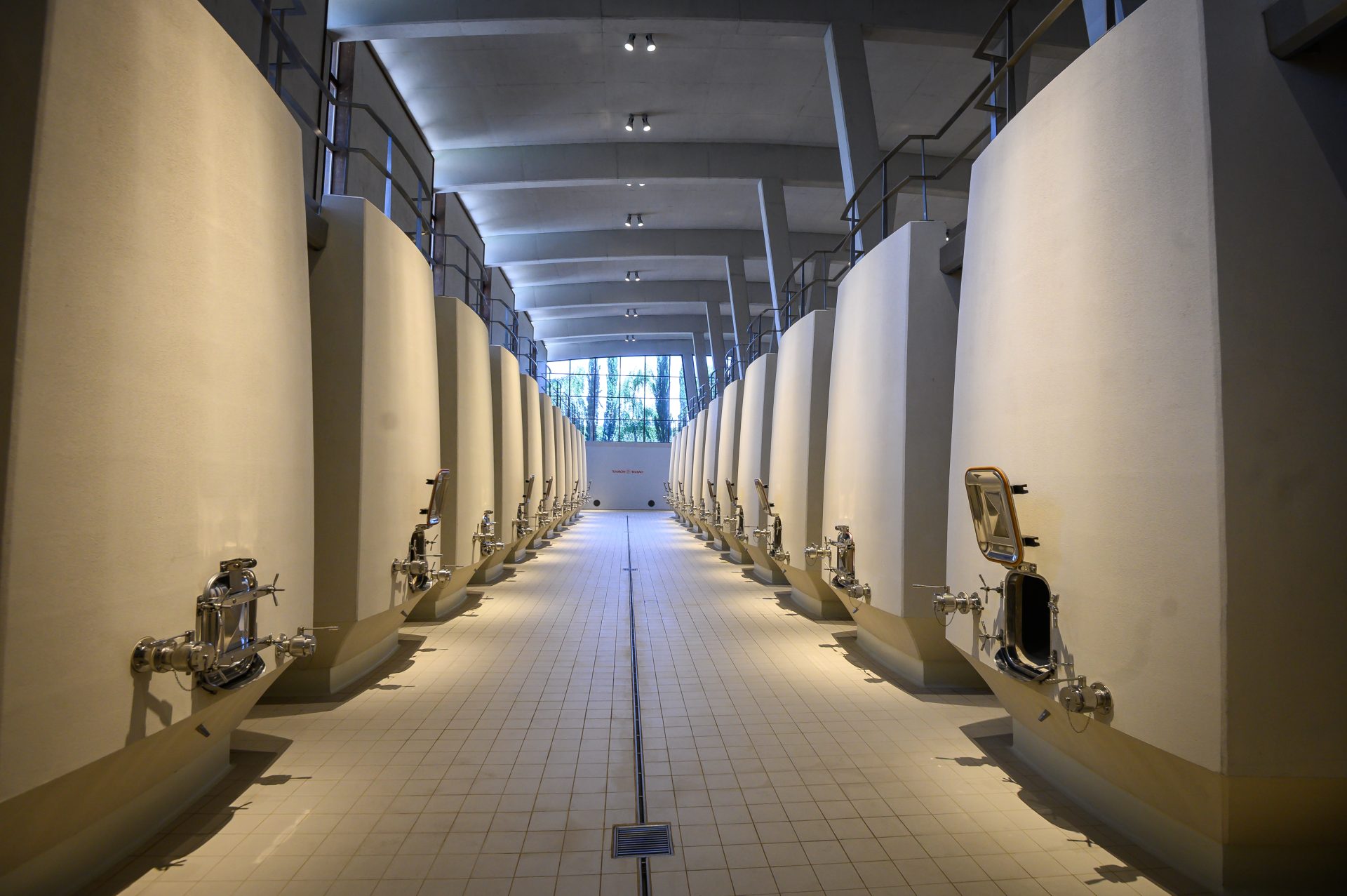
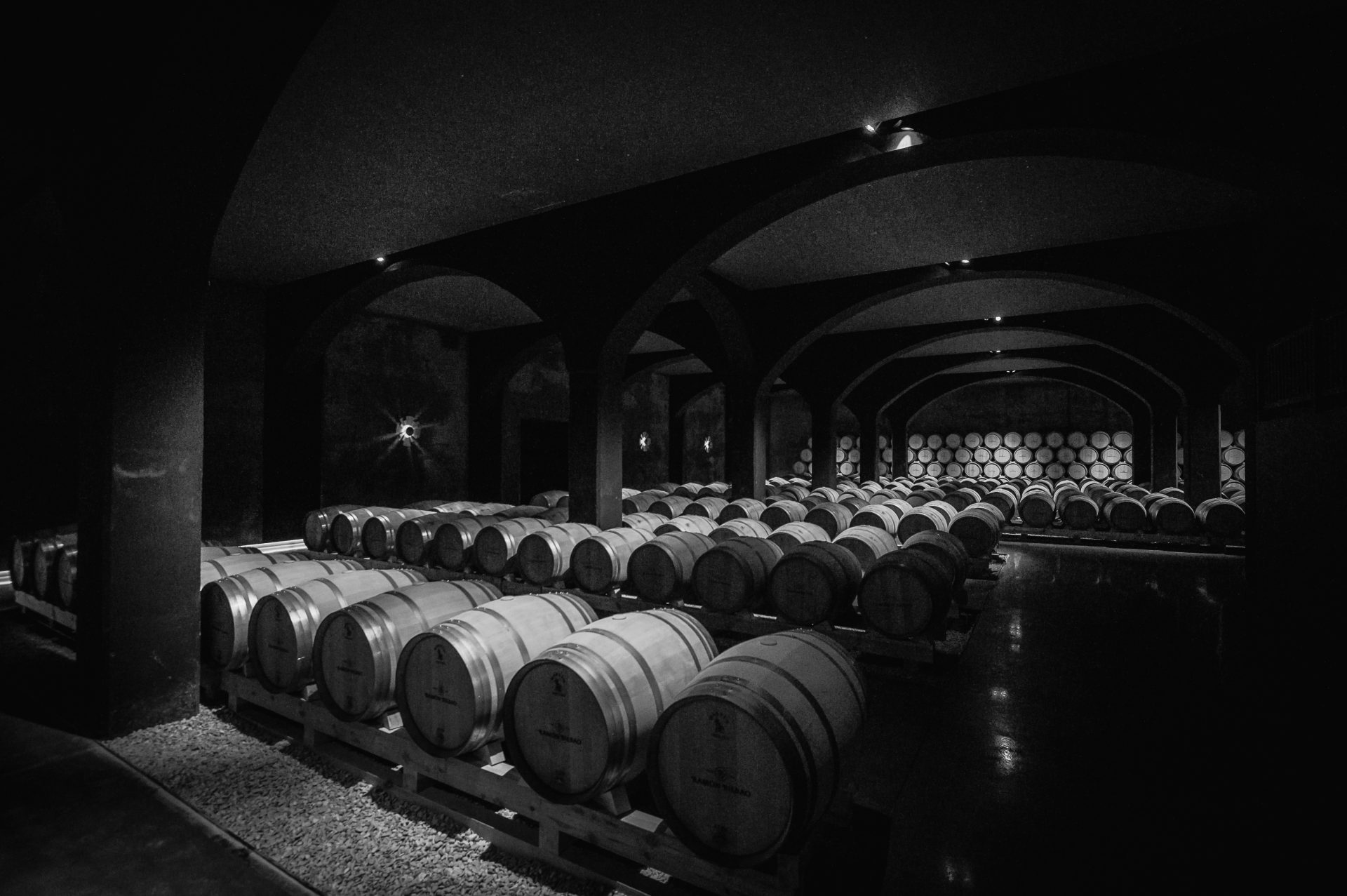
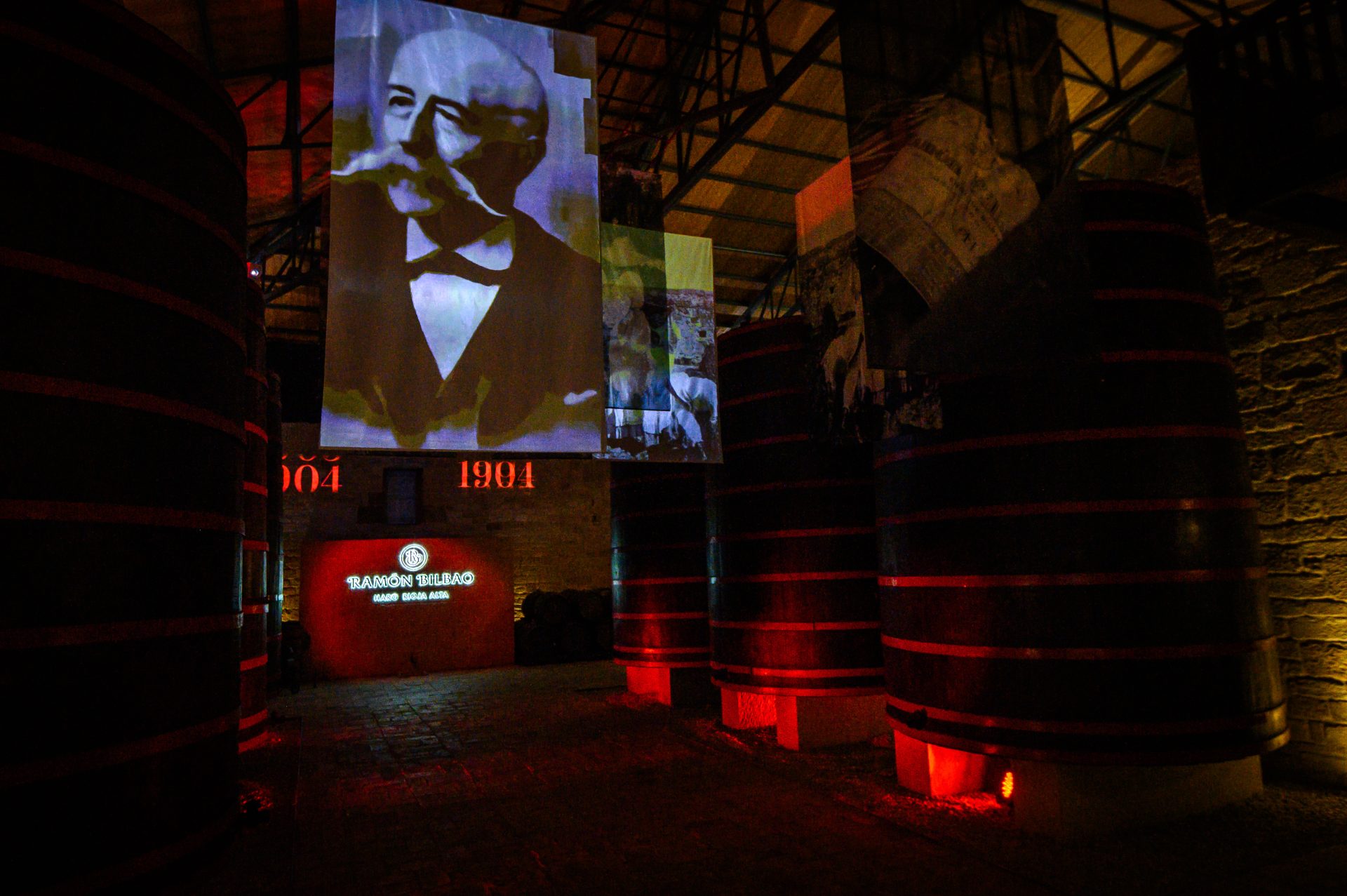
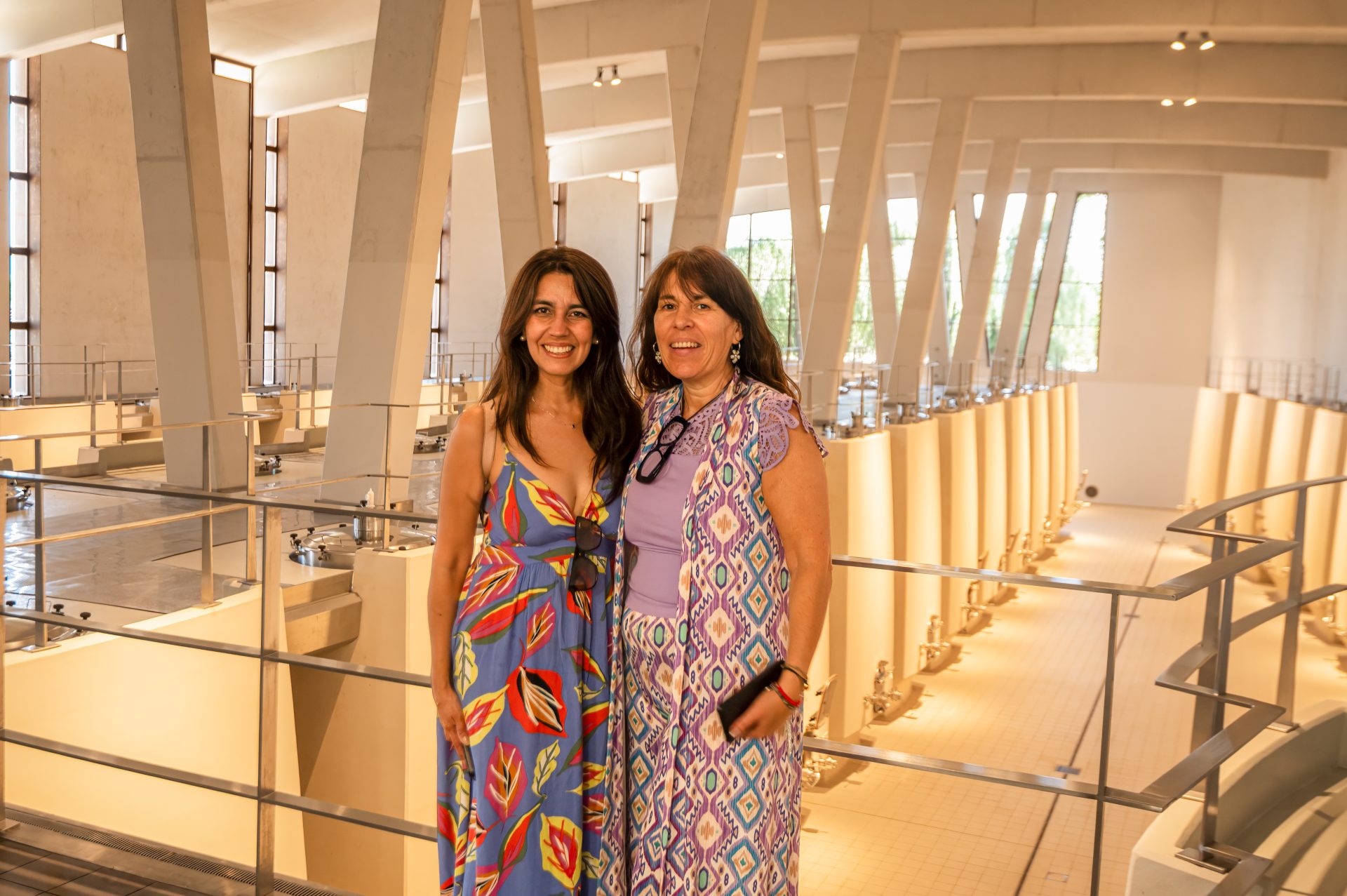
This is how we live OUR EXPERIENCE in the first person at Bodegas Ramón Bilbao Haro, La Rioja.
Have you seen our previous content? Quillón is already celebrating the 4th edition of the Wine Competition 2026.