 Wines
Wines
 Enotourism


 Gastronomy

 Events

The Municipality of Navidad, through the Directorate of Economic Development, together with the University of Chile and its Sea Herbs Project, convened a meeting for the 3rd Annual Awareness Day for the Valorisation of Seaweed and the Seaweed Trade.
A successful event that brought together authorities, academia, local organisations and the community to reflect on the social, economic, cultural and environmental potential of seaweed in the development of the coastal territory.
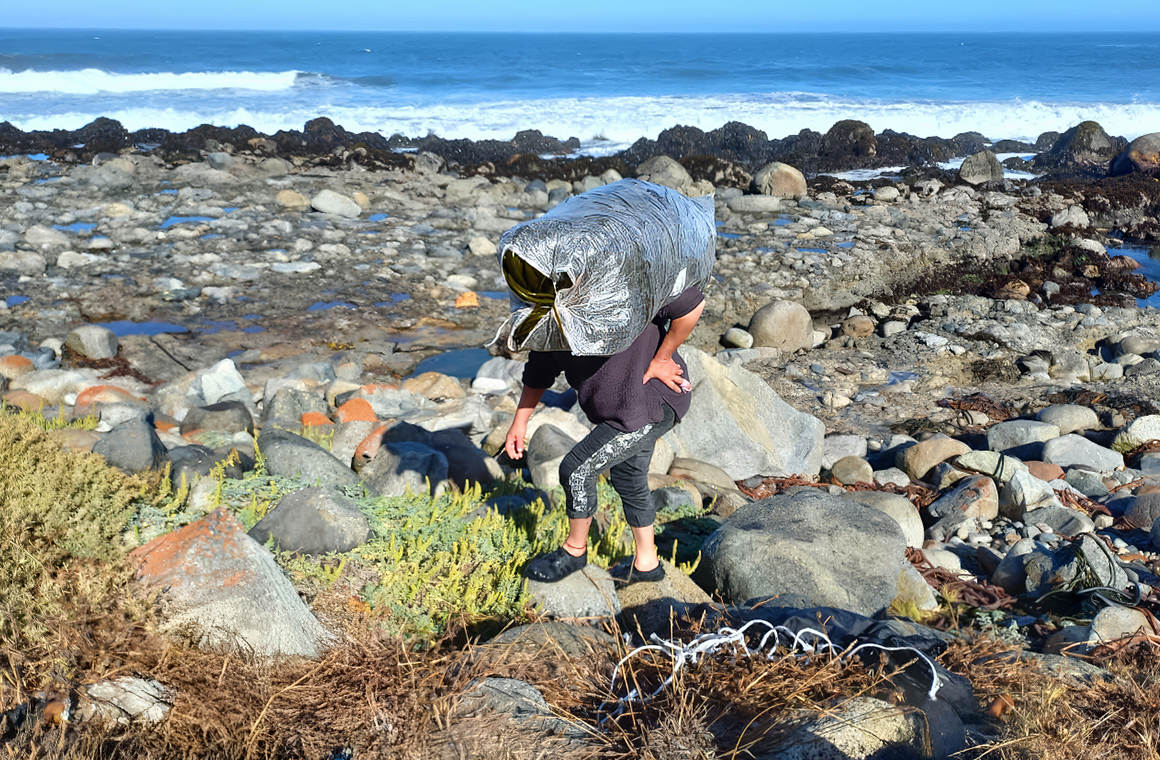
Navidad, a commune located on the coast of the O'Higgins Region, is known for its rural marine-coastal character, closely linked to family agriculture and artisanal fishing. Of the 8,000 inhabitants, more than 60 % are dedicated to seaweed or diving, i.e. their economies are linked to the sea.
Coastal tradition indicates that historically it is the women who go out with their children to collect seaweed, while the men help with the loading, transport and marketing of the resource, which is an important source of income.
The commune has a pioneering seaweed processing plant in Latin America, managed by Cecilia Masferrer, who has almost 20 years of experience as president of the Federation of Fishermen, Shellfish Divers and Seaweed Producers of Navidad (FEPANAV).
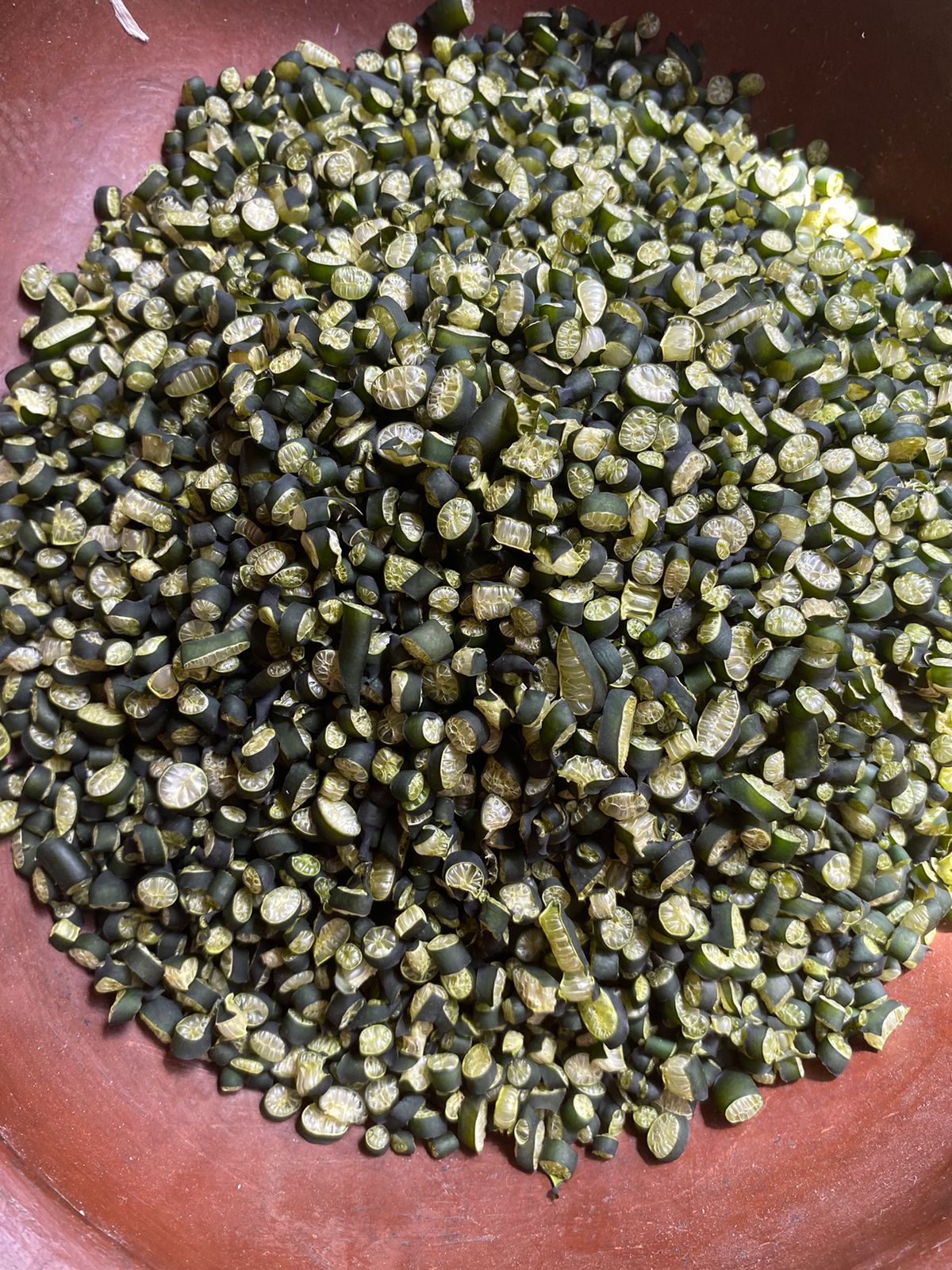
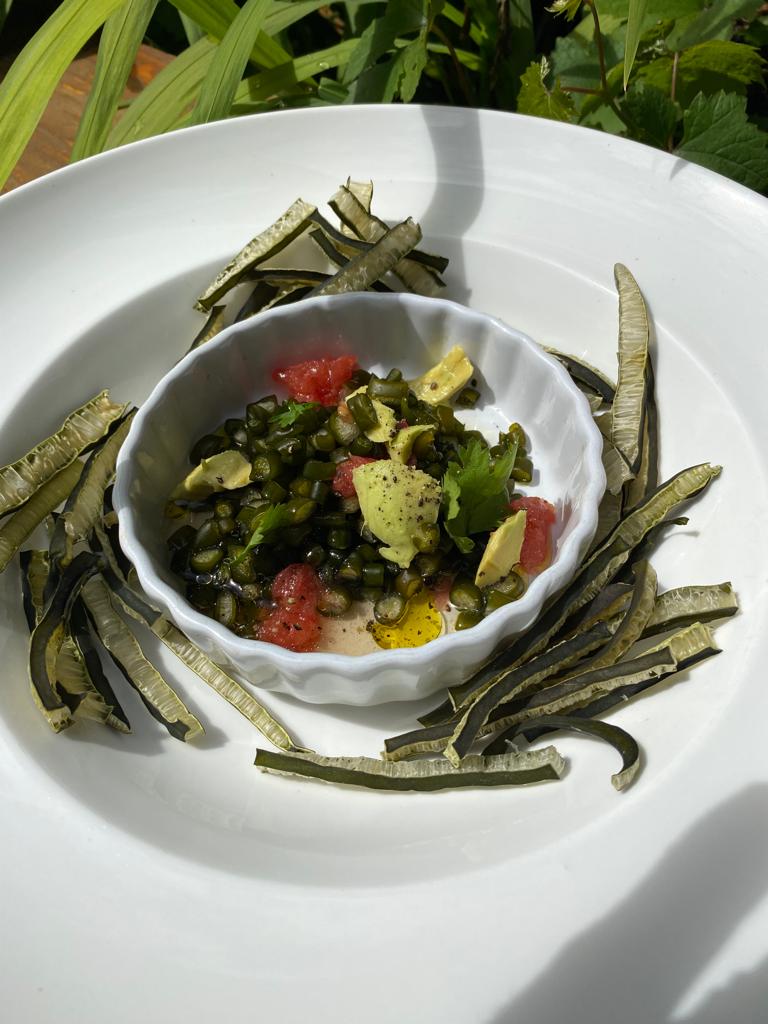
The beginnings of this organisation date back to the backyard of their home, where they started to innovate with cochayuyo cuts and to pack them in bags, formats that added value to production and differentiated them from the traditional rolls found in the free fairs.
As Masferrer recalls: “Twenty years ago we had nothing and we have advanced in infrastructure and equipment to the point where we now have a processing plant that allows us to better handle and diversify the product. Five years ago we were lucky to process 100 kilos, today we process 1,000 kilos a week. Now we have machinery that allows us better cuts and volume”.
He adds that “in terms of products, the agreement with the university has allowed us to learn more about the qualities of seaweed and the variety of uses we can give them, such as, for example, the calabacillo, a seaweed that we turn into powder and which is used as a binder, or the mix of 4 seaweeds - cochayuyo, calabacillo, luche and luga - which is made both as powder and very fine frost, and which allows us to season, mix or make hummus”.”
What is the challenge ahead? “We need to wake up Chileans to consume seaweed, i.e. to expand the domestic market. But the biggest challenge is to find markets and close the export gap. We managed to get to Expo Milano and Alimentaria in Spain and found that there was tremendous interest, we even had support from ProChile, but we ran up against international treaties,” Cecilia herself replies.
He also points out that “marketing is our Achilles” heel because we know the value of our product, but national and international regulations are so complex that markets such as Germany and New Zealand have been closed to us because we do not have a PAC - Quality Assurance Programme - which not only has a high cost for us, costing between 12 and 14 million pesos, but the biggest problem is that the instrument is made for benthic products alike, since it is very different to process lobsters - which need humidity and cold - than to process seaweed. I need heat and what I need less is humidity.
Female entrepreneurship and innovation: the recipe of Sea Herbs.
Paulina Larrondo, psychologist, academic of the Department of Health Sciences Education and director of the Sea Herbs Project at the University of Chile, was one of the speakers at the conference, emphasising that the valorisation of algae requires a transdisciplinary approach that integrates human, animal and planetary health.
He also highlighted the progress made since 2022 together with the Federation of Artisanal Fishermen of Navidad, reaching more than 4,000 people in the IV, V and Metropolitan regions. In this sense, he recognises that Hierbas de Mar has been a tremendous opportunity and a great challenge: to bring together diverse views on algae and build a roadmap that really responds to the needs of the territories.
“For me, seaweed has a personal and ancestral value; it is a culinary heritage that was lost and that today we want to recover with innovation and meaning. This project also has a strong focus on women's entrepreneurship, because I am motivated to accompany women towards economic autonomy, especially in rural communities that are often left out of development. In that sense, Hierbas de Mar has the voice of the women seaweed farmers. That has been our navigation chart. For its part, from the University we seek to contribute knowledge in health, food and science, and gastronomy is the natural bridge: it brings people together and gives us back a noble, unique and necessary food at a time when almost nobody cooks. We want to revive this tradition and open up new opportunities for the coast and for Chile”.”
The nutritional, scientific and cultural potential of algae
Dr. Lorena Rodríguez, director of the School of Public Health at the University of Chile, also took part in the series of presentations, addressing the challenge of integrating algae into everyday diets from a public health perspective. She highlighted their nutritional potential and the role of sustainable production in food systems.
Dr. María Elena Lienqueo then delved into the scientific and industrial potential of algae, describing their use in biorefinery, biofuels, cosmetics, bioplastics and other emerging technological developments. She pointed out that there is still a wide field to be explored in terms of species and new applications, which opens up opportunities for innovation and productive diversification.
From the nutritional point of view, nutritionist Paola Cáceres explained the benefits of algae according to their variety, highlighting their contribution in fibre, omega 3, proteins and essential micronutrients. She indicated that they are a healthy and sustainable complement to the diet, especially in the context of the transition towards more environmentally responsible food systems.
In addition, the cultural, touristic and ancestral dimension of the seaweed trade was highlighted, as well as the challenges imposed by climate change on marine ecosystems and traditional livelihoods.
Algueros and academy
After several training meetings throughout the year and direct contact between the various academics and the alguero organisations and authorities of Navidad since the Hierbas de Mar project began in 2022, the assessment is highly positive. On the one hand, the University chose to work with the Algueras de Navidad because there was exemplary sustainable practice and remarkable community leadership there.
On the other hand, the seaweed producers recognise that the relationship with the University puts them on another level of conversation when it comes to marketing and also allows them to educate themselves, to better understand the value of the product they have and even to market it under better conditions.
“Our relationship with each of the academics has been fluid, a sharing of knowledge. We are simple seaweed farmers and thanks to them we are better prepared to face a very demanding market. I was very enthusiastic about this conference because I realised that there is still a lot to learn.", said Cecilia Masferrer.
The work of Algueros de Navidad with Hierbas de Mar has allowed them to learn more about the value and processes of seaweed in order to obtain a better quality product. For example, FEPANAV has improved the dehydration stage, learning to control the sun under a greenhouse effect so that the seaweed retains over 70 % of nutrients.
Currently, Algueros de Navidad produces processed seaweed such as cochayuyo, luche, luga and calabacillo in different formats: flour, chopped and seaweed mix.
At the same time, pilot tests are being carried out in the agricultural sector through the Municipal Biofactory. FEPANAV receives permanent advice from various public-private entities, including the University of Chile through the Sea Herbs Project, the Regional Government and various entities such as Culinary, Junaeb, the Embassy of the Netherlands and the Municipality of Navidad.
More information at @algasdemar and/or @muninavidad
Read our previous content here Chile awarded to the best of wine tourism 2025