 Wines
 Enotourism


 Gastronomy





 Events


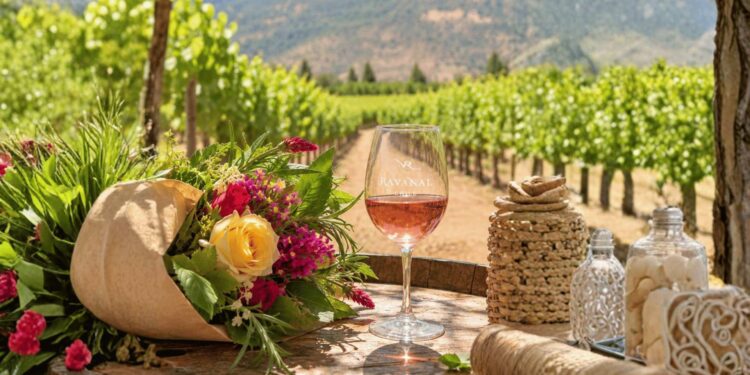
Walking through a vineyard, discovering the role flowers play among the rows of vines and ending the day with a wine tasting will be part of “El Secreto de las Flores”, the wine tourism experience that Ravanal Vineyard It will be held on October 31 at 16:30 in Placilla, O’Higgins Region.
The activity invites visitors to walk through the fields with a guide, learn about the wine cycle and the importance of biodiversity, collect flowers to create a personal bouquet, and enjoy the wines, with a final toast amidst the vineyards.
But behind this proposal lies an agricultural practice that goes beyond being ornamental. The presence of flowers and vegetable cover among the rows is part of a regenerative farming strategy that seeks to improve soil conditions, promote the recycling of nutrients, and contribute to the natural balance of the ecosystem.
“The vineyard is not just the place where the grapes are born: it is a living ecosystem, and the flowers are one of its most beautiful signs,” explains Héctor Saldivia, winemaker at Viña Ravanal. The initiative, he adds, “grew out of the intention to bring this reality closer to consumers and show them why these plants are part of the landscape of the countryside.”.
In the vineyard, the use of plant coverings is already integrated as part of agricultural work. The idea was to transform that practice into an experience that allowed for a close observation, understanding its function, and connecting the care of nature with the production of wine. “By combining flowers and wine, we want to show that both are born from the same soil and the same care,” Saldivia points out.
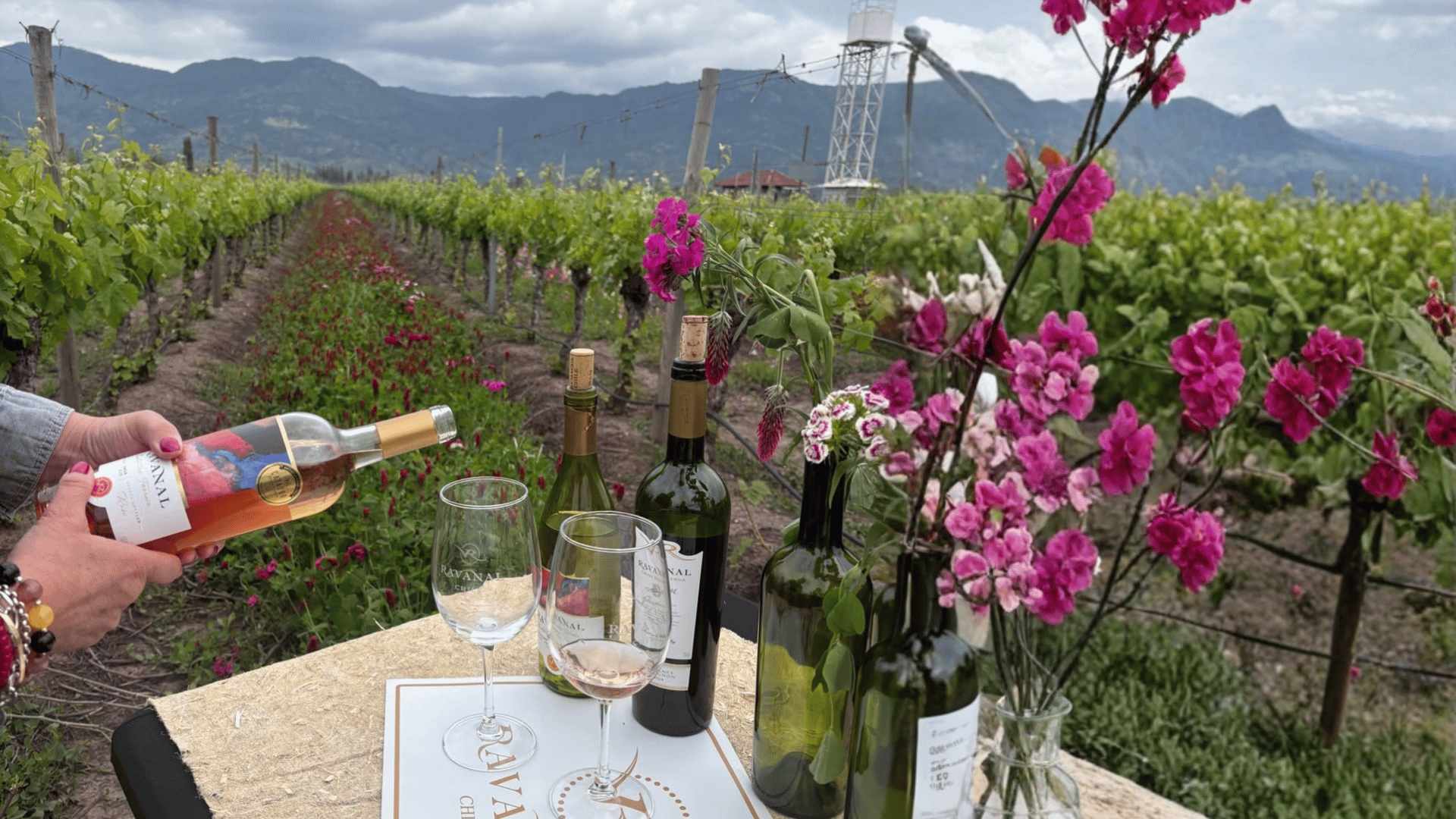
Through this activity, the goal is to convey that the quality of a wine is also linked to the conditions of the soil, biodiversity, and the decisions made during agricultural management.
The experience is also part of an effort to diversify wine tourism and offer a different way to explore the vineyards. According to the winemaker, “the intention is to project it as a possible line of activities in spring during the flowering season.”.
A living soil for more sustainable viticulture
The incorporation of flowers and vegetable covers between the rows is one of the tools used in regenerative agriculture to protect and recover the soil.
These plants contribute to reducing erosion, provide roots and organic waste, and favor the infiltration and conservation of water.
Alejandra Vinagre, Sustainability Manager at Viña Ravanal, explains that these actions are part of a set of practices aimed at improving the structure of the soil and increasing its organic matter content, in line with the vineyard's commitment to the Sustainability Code.
“The goal is to maintain a biologically active soil that is capable of supporting the development of the vines over time. To achieve this, vegetation plays an important role: its roots contribute to improving the conditions of the soil, and once the plant remains decompose, part of their components is incorporated into the soil,” he assures.
Flowers can also provide food and shelter for pollinators and other beneficial insects, including some that contribute to pest control. The goal is to favor a functional biodiversity that helps maintain the balance of the vineyard. Vinagre notes that the “presence of bees does not, by itself, mean that the vines will produce more grapes; these plants are mostly self-pollinating.”.
Soil health and the expression of the wine
The relationship between the soil, the vines and the quality of the grapes is also one of the central aspects of regenerative agriculture from the perspective of viticulture.
A soil with adequate structure can favor the development of roots, water infiltration, and the availability of nutrients, conditions that influence the growth and maturation of the berries.
From Viña Santa Rita, His viticulture manager, Gerardo Leal, explains that a healthy soil “offers better physical, chemical, and biological conditions for plant development. The activity of microorganisms contributes to the transformation of organic matter and the recycling of nutrients, while the availability of water and nutrients influences the size of the berries and their ripening process.”.
These factors can affect components relevant to wine production, such as sugars, acids and phenolic compounds.
There are also studies that explore the relationship between plant cover, the soil microbiota, and the presence of bacteria and yeasts in the berries, elements that could contribute to certain characteristics of the wines.
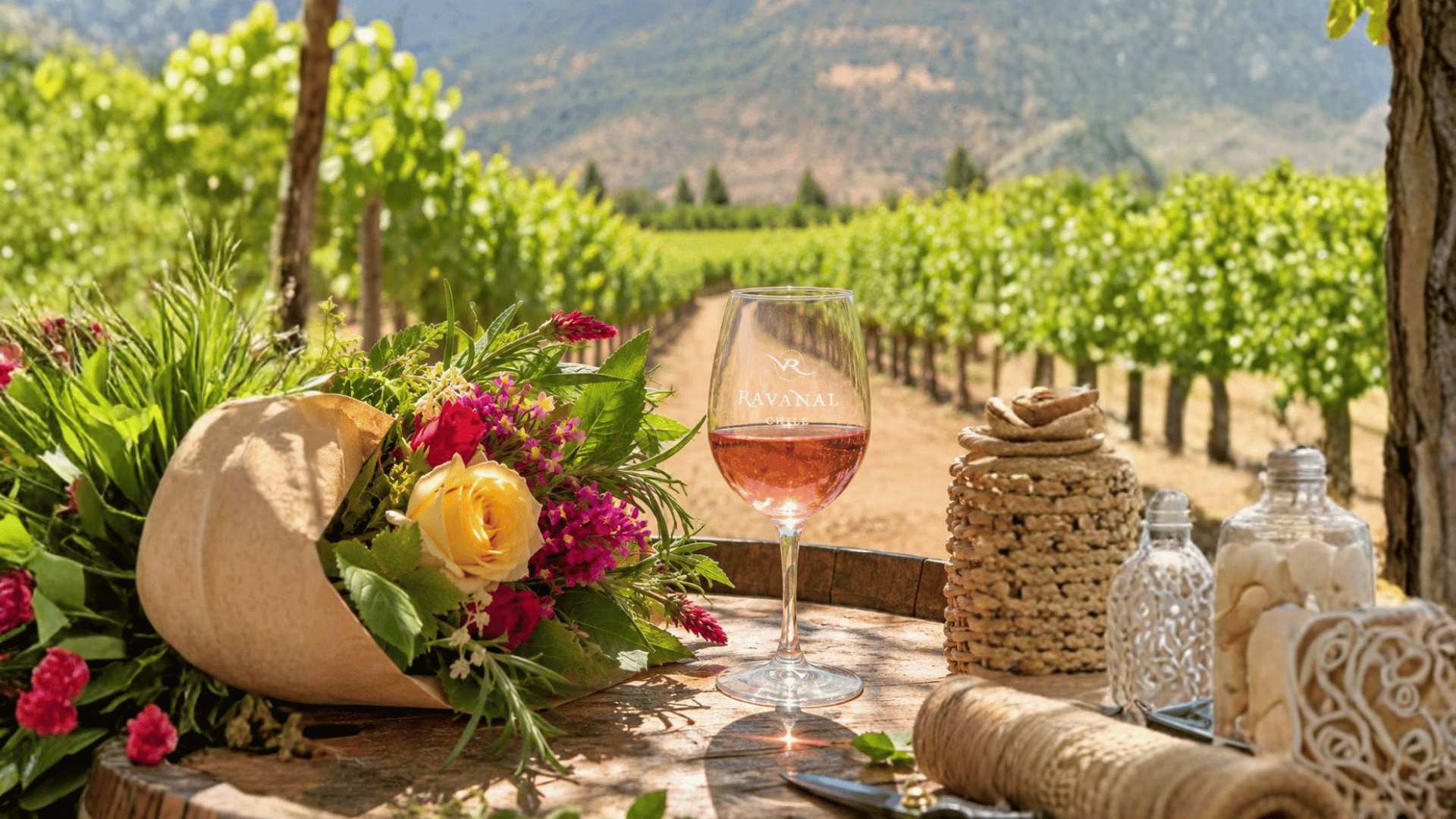
However, Gerardo Leal emphasizes that “regenerative agriculture by itself does not guarantee greater quality. Its effects depend on the conditions of each place, the climate, the type of soil and complementary practices, and must be evaluated over several seasons. The key is to find a balance.”.
While vegetable cover can improve the structure of the soil and contribute to its biodiversity, it can also compete with the vines for water and nutrients when its growth is not managed properly.
This point is particularly relevant in the Colchagua Valley, where water availability is a determining factor for wine production.
Therefore, both the choice of plant species and the area covered by the crop and the timing of harvesting must be adapted to the characteristics of each vineyard. Regenerative agriculture, in this sense, does not propose a single formula, but a management system that requires continuous observation, measurements, and adjustments.
Adapting to climate change and restoring biodiversity
In a scenario of greater climatic demands, regenerative practices can also contribute to improving the vineyards’ ability to cope with periods of drought and high temperatures.
The protection of the soil surface and the supply of plant residues can help reduce erosion and evaporation, moderate the surface temperature, and favor better water infiltration.
From Santa Rita, the viticulture manager suggests that “the resilience of vineyards must be built through a combination of tools, which includes irrigation management, the choice of grafting material, vegetation management, and decisions regarding plant development.”.
Sustainability is also starting to take a place in the relationship between vineyards and their consumers. According to the specialist from Santa Rita, “part of the public considers the environmental attributes of products, although these coexist with other decisive factors, such as price, quality and origin.”.
In this vein, regenerative agriculture can represent a transformation in the way we understand the vineyard: not only as a space intended to produce grapes, but as a system in which soil, water, vegetation, and living organisms interact and must be managed jointly.
The Gastronomic Academy of Chile honors three national culinary icons.