 Wines
Wines


 Enotourism

 Gastronomy


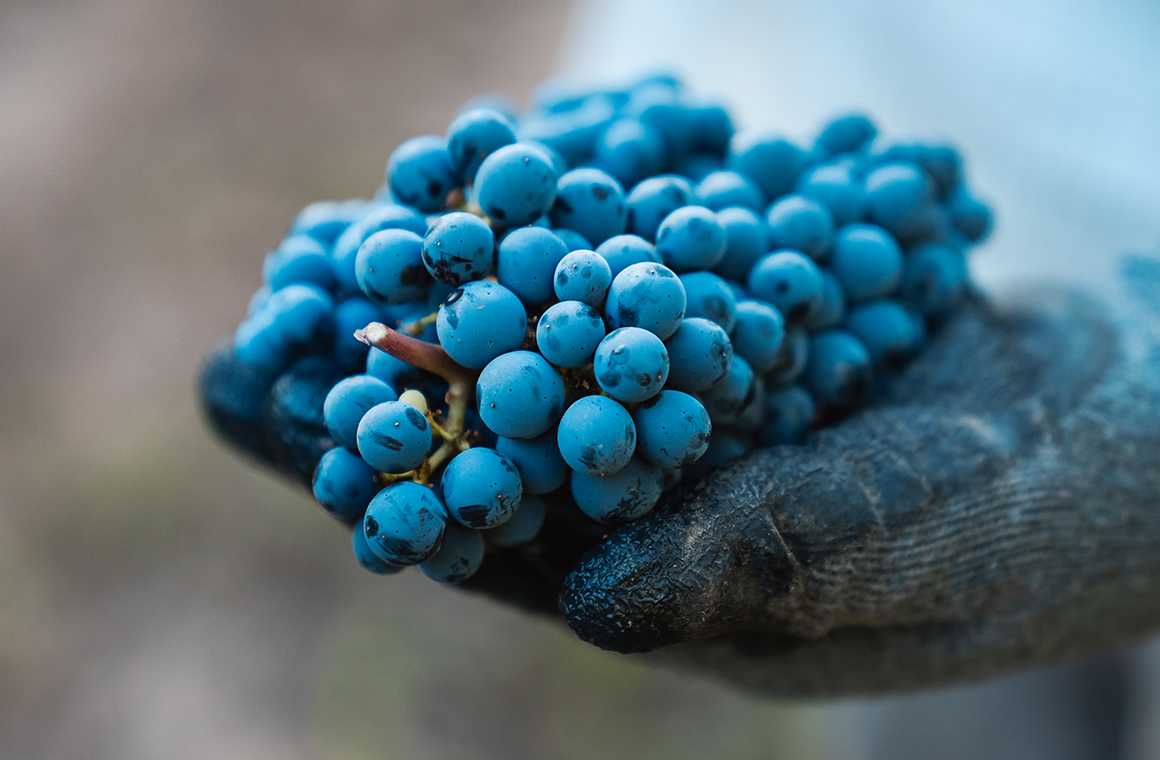
All harvests are different. Weather conditions change, the behaviour of grape varieties varies, vineyard decisions differ, and even the experience with which each team approaches the season is unique. But every harvest leaves lessons learned.
In those vineyards that are worked year after year, this accumulated experience allows for a better interpretation of each cycle and the making of timely decisions to express the best possible quality in the wines.
At Miguel Torres Chile, the analysis of the season is necessarily understood from the country's geographical diversity. Therefore, the progress of the harvest is observed across three main production areas – north, central-south, and south – where each territory experiences the anticipated agricultural cycle differently, and each climatic event leaves its own character on the final wine.
North Zone – Limarí
The harvest began on the 9th of February, approximately 12 days earlier than last season, confirming an advanced cycle. The grapes from chardonnay destined for the award-winning Cordillera line, were initially developed under very favourable conditions, with a cool spring and no frost events.
However, since last December, temperatures began to rise and remained high throughout January. February, a key month for the harvest on this side of the hemisphere, was particularly warm, which significantly accelerated the fruit's ripening.
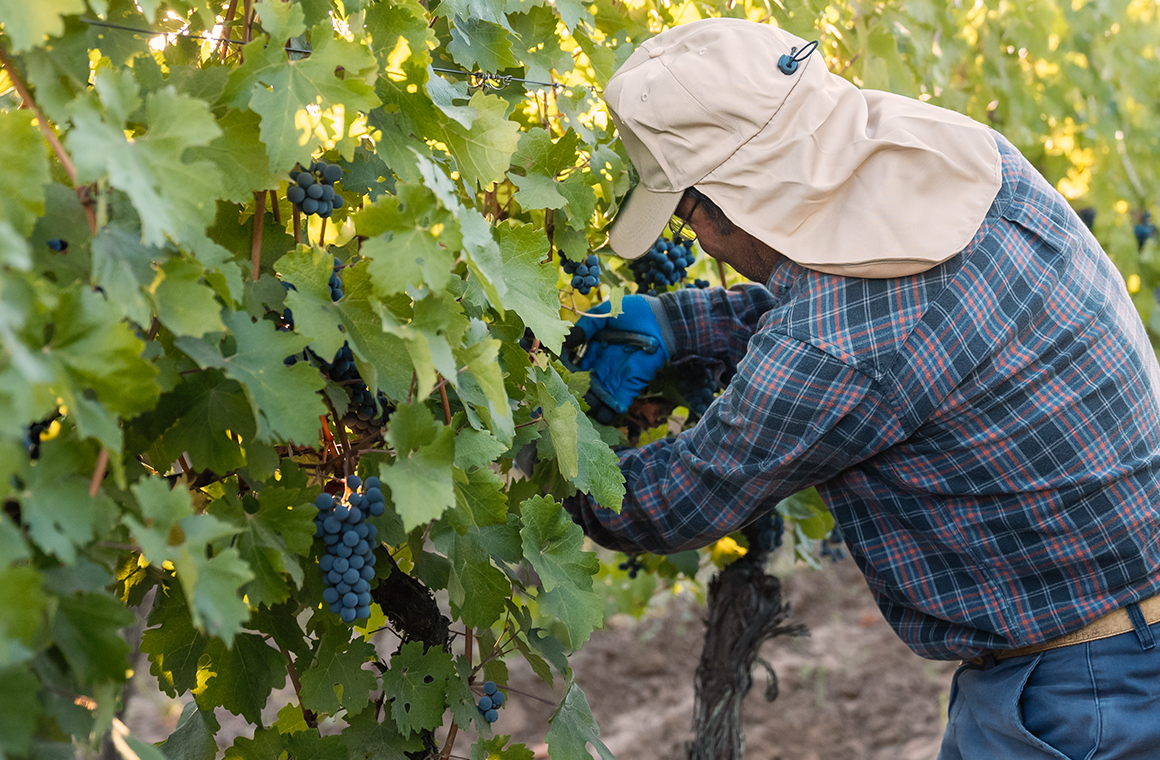
In this context, “the precise decision of the moment of harvest was fundamental to preserve the natural acidity and freshness, essential characteristics of the style of these wines. One of the positive aspects of the season was the greater water availability. Winter rains were higher than in recent years, which allowed for an improvement in soil condition and favoured balanced vegetative development, with good colour and adequate grape bunch fill,” confirms Eduardo Jordán, oenologist and technical director of Miguel Torres Chile.
However, according to Jordán, the valley continues to face a structural drought condition, inherent to its semi-arid climate. With these conditions, the projections are positive: a high-quality wine is expected, with marked freshness, the traditional saline notes of the Limarí Valley, and a firm structure in the mouth.
Central-South Zone: from Maipo to Itata
The season began with a cold winter, particularly during June, which allowed for adequate accumulation of cold hours and ensured balanced budburst. Some varieties, such as Malbec, started their development somewhat early, while Cabernet Sauvignon remained within the usual ranges.
Spring was generally favourable. However, “on 4 October, a severe frost in Cauquenes mainly affected País and Chardonnay, although it was a localised event. Flowering and fruit set developed in mostly optimal conditions, although some colder periods caused mild shot berries in specific sectors and more sensitive varieties,” indicates the winemaker.
In productive terms, the season shows encouraging signs: very good yields in sauvignon blanc. Important recovery in varieties of chardonnay and Pais, after a particularly low previous season, where some vineyards recorded production drops close to 30%.
For cabernet sauvignon, Eduardo Jordán indicates that “it is still early, but projections suggest a better productive performance than last year”.
The season can be described as warm and dry, which has necessitated careful irrigation management in irrigated areas, preparing the plants to cope with periods of high temperatures.
However, at the end of January, hail fell in isolated areas of the Maipo Valley, “something very unusual for that date and in that area, but without affecting the vineyards where our Cabernet Sauvignon cordillera. And recently, in mid-March, it rained quite a lot in this area, which has meant we've had to constantly monitor the health of the vines. So far, the grapes are in very good sanitary condition. In this regard, the objective for the technical team will always be to maintain freshness, balance, and a faithful expression of the origin in the wines,” indicates Jordán.
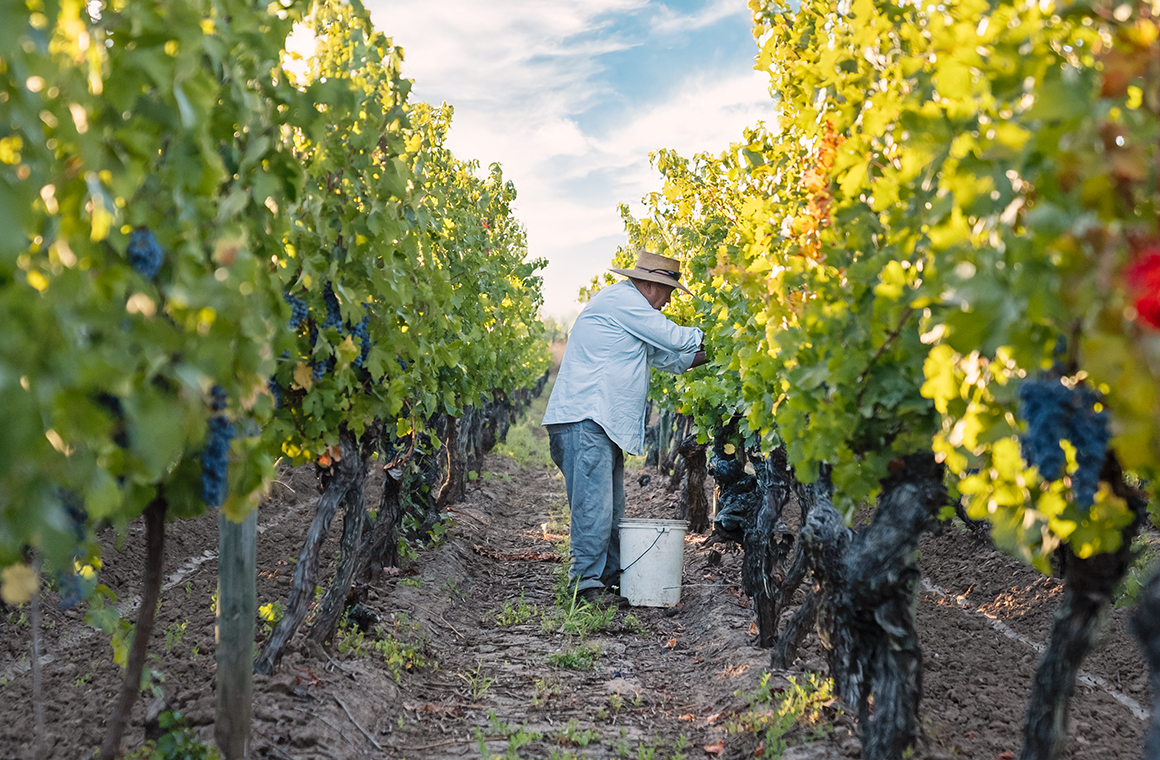
South Zone - Osorno
In the South, the 2026 harvest is still underway. It is estimated that there are about four weeks left until the harvest of the sauvignon blanc destined to be one of the flagship wines of the Cordillera line. The season began with a mild spring and no severe frosts, a key factor in ensuring good yields.
The start of summer was relatively dry, “although February and the part of March that has passed have recorded abundant rainfall. So far, the health of the vineyard is good. The grapes are observed to be healthy, projected yields are positive, and ripening is progressing slightly faster than in the previous season. However, in this area, the climate over the next few weeks will be decisive in defining the final outcome of the harvest. A vintage marked by the balance between climate and experience,” emphasizes Eduardo Jordán.
In general terms, for the technical director of Miguel Torres Chile, the 2026 harvest season has begun with favourable conditions for various varieties and regions of the country. The north offers concentration and freshness; the central-south shows signs of productive recovery and balance; while the south is progressing with very good sanitary conditions and positive expectations.
However, recent rainfall recorded in some areas could represent a factor to consider going forward, necessitating constant monitoring and careful management in this final stage of the season.
Each region faces challenges, but the common denominator has been the capacity for adaptation and timely viticultural decision-making, which are fundamental for responding to an increasingly dynamic climate. “Where the season once again confirms that the accumulated experience in each vineyard allows for better interpretation each year and for the continued creation of wines with identity, balance, and character,” concludes Jordán.
More information at Miguel Torres Chile.
Check other content at Colchagua drives the sustainability of Chilean wine.