
 Wines
Wines

 Enotourism


 Gastronomy



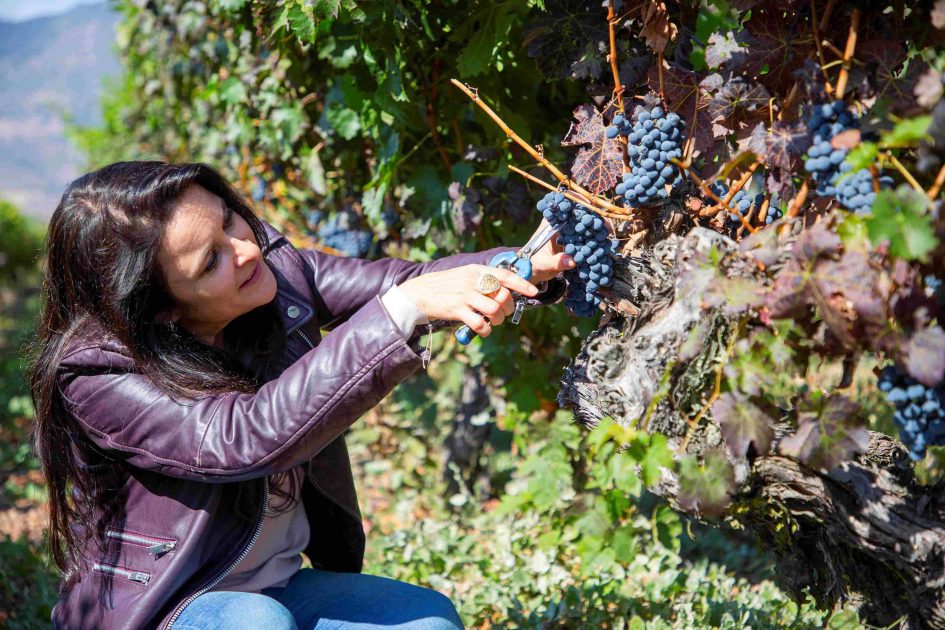
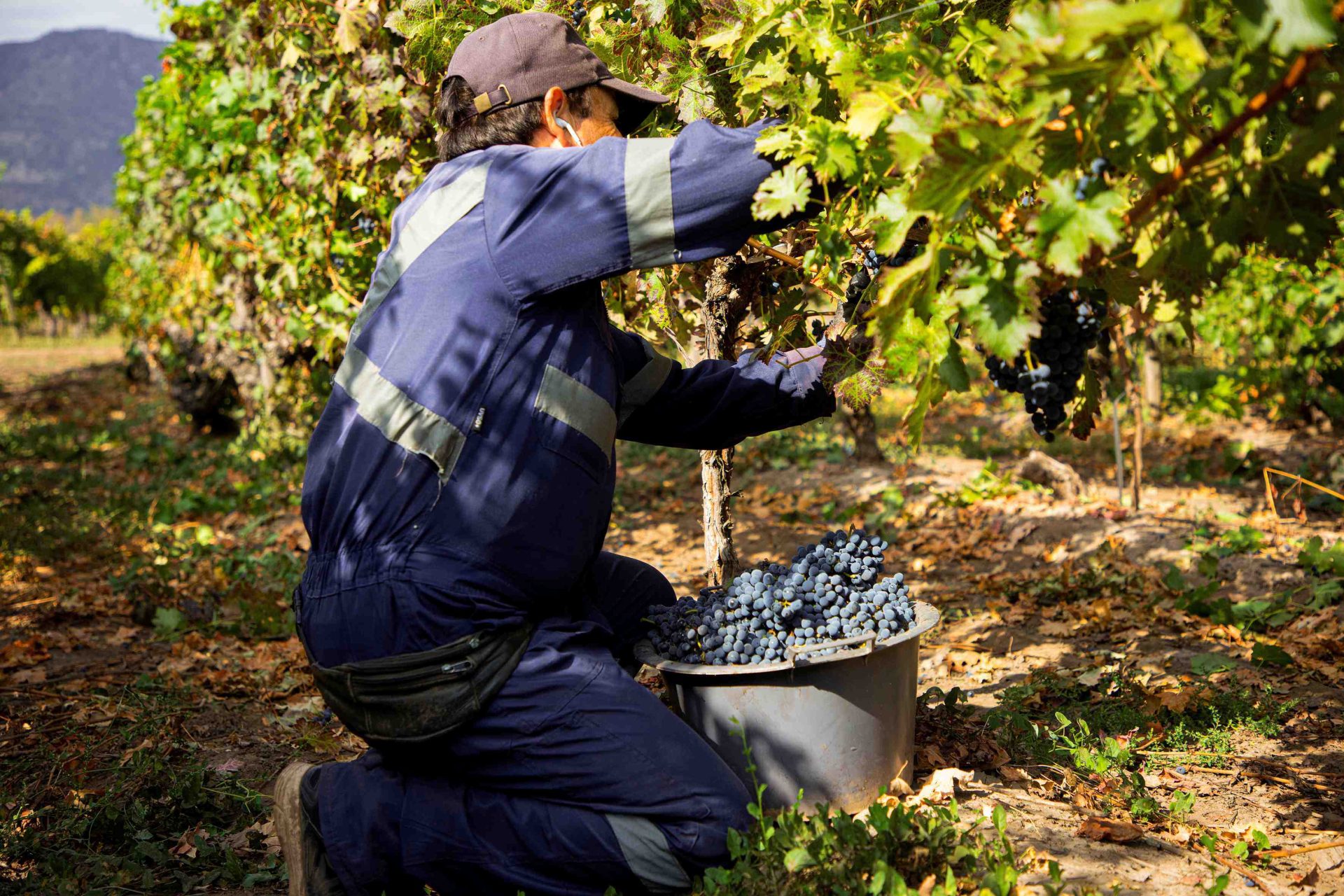
The 2026 harvest ended with a positive outcome for the main vineyards in the Colchagua Valley and other wine-growing regions of the country. Following a challenging 2025 season, which was characterised by lower volumes and production imbalances, the sector has regained stability this year, with improved yields and an outstanding performance from varieties such as Cabernet Sauvignon, Syrah, and Carmenere.
“The 2026 harvest presented as a normal vintage in terms of production and quality, a week ahead of schedule in technical parameters, which were optimal for harvesting. Therefore, it started very early in February and finished sooner than usual, assured the head winemaker of Ravanal Vineyard, Héctor Saldivia.
In terms of production, volumes were similar to those registered in 2024 and higher than those in 2025, with a season that the vineyard described as “small and unbalanced. Last year there was no relationship between the quantity of fruit and vegetative development, therefore, there were imbalances, which were not perceived this year. It was a very good harvest,” Saldivia added.
The climatic conditions played a key role in the vineyard's behaviour. According to Saldivia, the summer was “slightly warmer” than the previous one, although without significant rainfall or severe drought problems.
“We didn't have any water shortages, and that allowed us to arrive with grapes that had fresh and fruity characteristics,” indicated the chief winemaker at Viña Ravanal.
The good performance of the red varieties was one of the highlights of the season, with Cabernet Sauvignon, Syrah and Carmenere standing out.
“They presented themselves quite well; it was a very good year for those varieties. On the other hand, white grapes, which require cooler temperatures, suffer more from climate change,” stated Héctor Saldivia.
Higher temperatures and new demands for the industry
The analysis matches that carried out by Viña Santa Rita. Gerardo Leal, viticulture manager, pointed out that the combination of a cold spring and a warm summer allowed for a higher production than the previous year, especially in red varieties such as Cabernet Sauvignon and Cabernet Franc.
“In general, red grape varieties adapt better to these warmer summers, such as Carmenere, and are more tolerant, like Grenache and Petit Verdot. In the case of Pinot Noir, it suffers more during warm summer seasons, as does Merlot, with a greater risk of dehydration. For white grapes, Chardonnay adapts well to warm summers, but suffers from increased pressure from Oidium (a fungal disease). Sauvignon Blanc, on the other hand, undoubtedly prefers more moderate temperatures,” said Gerardo Leal.
At Viña Ravanal, the impact of climate change has also become evident. Héctor Saldivia explains that heatwaves and increased pressure from fungal diseases have necessitated the reinforcement of agricultural management strategies.
“There is clear evidence of climate change. Diseases are appearing with greater incidence and the heat is becoming so intense that plants cannot always recover,” he stated.
To face this scenario, the vineyard implemented management practices aimed at protecting the bunches from direct sun exposure and modified harvest times to avoid oxidation due to high temperatures.
“We sought to maintain ventilation without directly exposing the bunches to the sun. This allows us to obtain healthier grapes, with good colouration and better flavour,” explained the chief winemaker at Viña Ravanal.
Adjustments and projection
This year, given the temperature and humidity conditions, coupled with the pressure of fungal diseases, Viña Santa Rita had to make changes to its control and management strategy: “we used other more proactive products and increased costs. Furthermore, a very warm summer meant adjustments to irrigation strategies in response to heatwaves, increasing replenishment depending on the grape quality and production area, which was greater in the valleys and not so much on the coast,” said Gerardo Leal.
At Viña Santa Rita, projections for 2027 point to a wetter winter and a less warm summer, although with increased risks of diseases during spring.
“Managing plant vigour well, controlling diseases, and adjusting water use to maintain productivity and quality will be a key element,” stated the viticulture manager of Santa Rita.
Regarding the projections and challenges facing Viña Ravanal, Héctor Saldivia notes that they are focused on meeting consumer expectations, who are currently seeking fresher wines with more fruit and lower alcohol content.
“There is a trend towards greater consumption of white varieties and fruitier wines, and in view of this, adjustments will need to be made in the vineyard to be able to obtain that fruit that will then arrive at the winery in the best possible condition,” he concludes.
Wine pairing dinner to invite rediscovery of wine in Colchagua