 Wines
Wines

 Enotourism

 Gastronomy

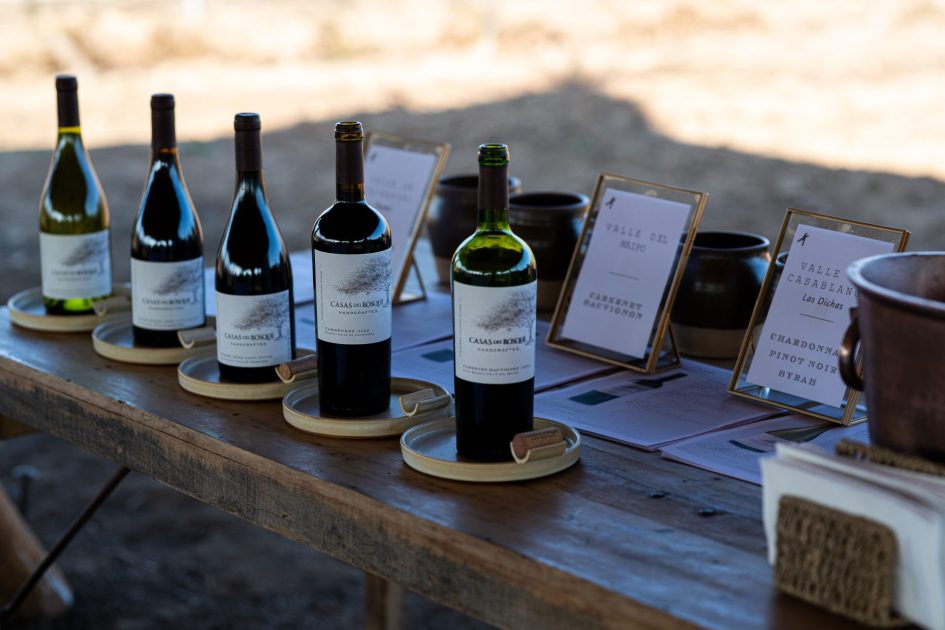
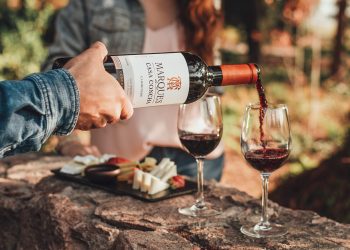
Casas del Bosque Vineyard relaunched its flagship line under the name Casas del Bosque Handcrafted, ending more than a decade during which those wines were on the market under the Gran Reserva designation.
The change is not cosmetic: it responds to a strategic decision by the winery to divest itself of a classification that, according to its directors, lacks regulatory backing in Chile and fails to communicate the real quality of the wines that make it up.
“For years, we were tied to concepts like Reserva and Gran Reserva, which are not well-regulated in Chile, he admits. Alberto Guolo, the vineyard's winemaker.
The same logic led the winery to transform its Reserva line into Casas del Bosque Collection a couple of harvests ago. Now, with Handcrafted, that identity renewal process is complete.
Origin and profession as a core element
The name Handcrafted is not accidental. It refers to a way of making wine based on conscious decisions: selection of origin according to the variety, work with time and patience, and permanent guidance of oenological criteria. The result, according to the vineyard, is classic wines reinterpreted with a modern expression and ageing potential.
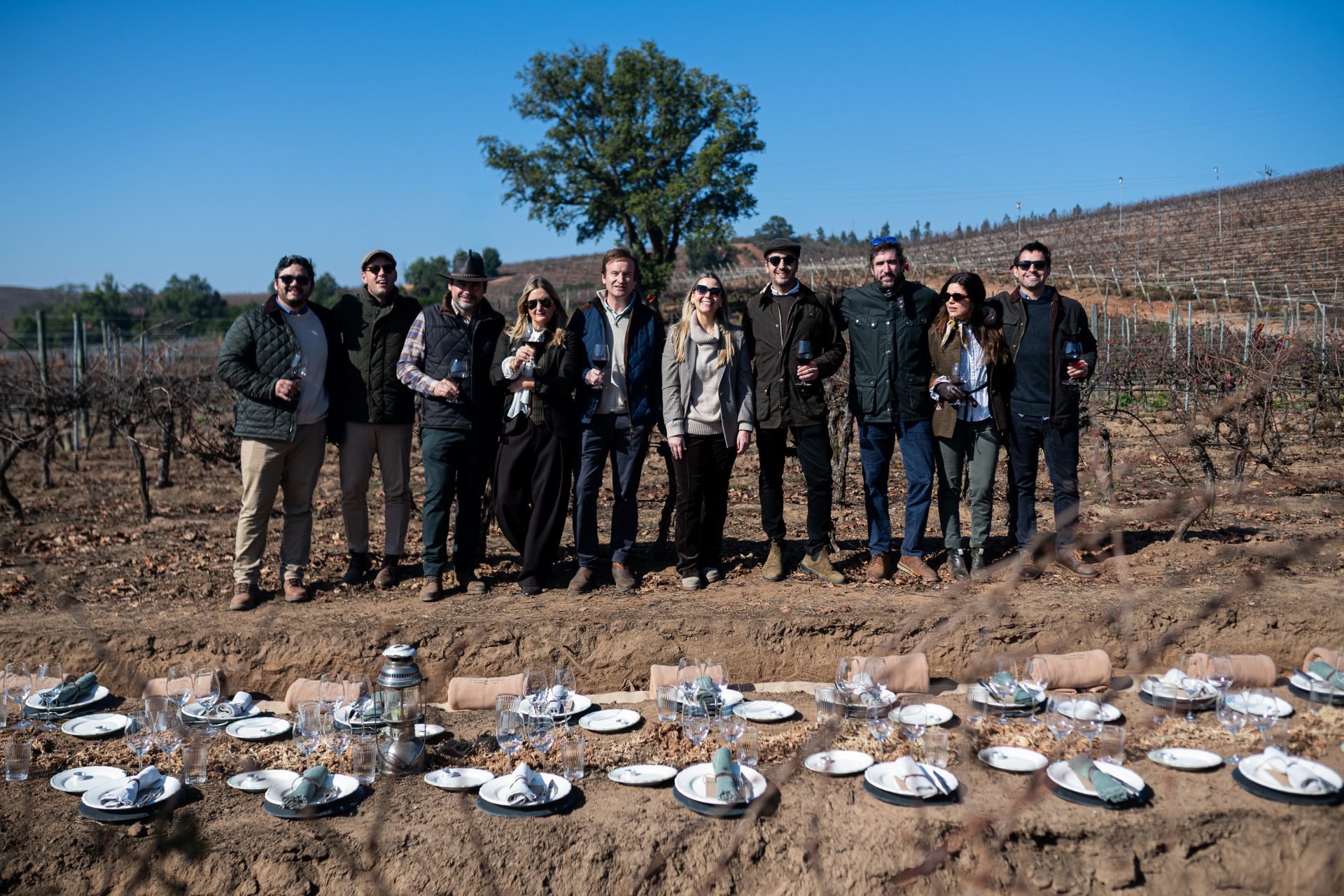
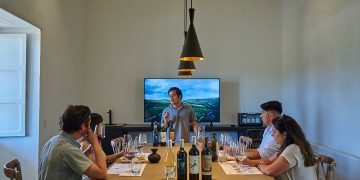
The new image of this line of Casas del Bosque Handcrafted wines was launched amidst a tasting, for specialised press, sommeliers, and members of the winery's team. Photo: Viña Casas del Bosque.Jaime De La Barra, General Manager of Casas del Bosque, summarises this with a concrete image: “A decision that at the moment seems minor —harvesting on a Monday or a Thursday, choosing this plot and not the one next to it, leaving the wine for a little longer or a little less in aging— ends up being the difference between a good wine and a wine that moves you. We have that as a mantra at Casas del Bosque.”
“Handcrafted wine demonstrated how we’ve worked for years, with very high standards, a constant pursuit of excellence, and a style that has always looked to the future,” emphasizes Jaime De La Barra.
Five wines, three territories
The line debuts with five labels distributed across three Chilean valleys. The cool-climate varietals —Chardonnay, Pinot Noir and Syrah de Las Dichas— they express themselves in Casablanca.
The Carmenere comes from Peumo, and the Cabernet Sauvignon from the Maipo, each in the territory where, according to the winery's team, they reach their best expression.
Guolo highlights that each wine began its transformation over two years ago: “The line is made up of five wines: Chardonnay, Pinot Noir, Syrah from Las Dichas, Carmenere from Peumo and Cabernet Sauvignon from Maipo. The wines started on a journey and today we are seeing the results,” he points out.
A brand bet with an export horizon
The vineyard's chief executive, Giorgianna Cúneo, admits that the transition will not be instantaneous in all markets. “We had to take this step. The Reserva and Gran Reserva categorisation responds to a traditional classification, and as a vineyard we are on a cutting-edge path. In some less mature markets, we need to work a little harder, however we are confident that it will be a great contribution to the brand's image,” he states.
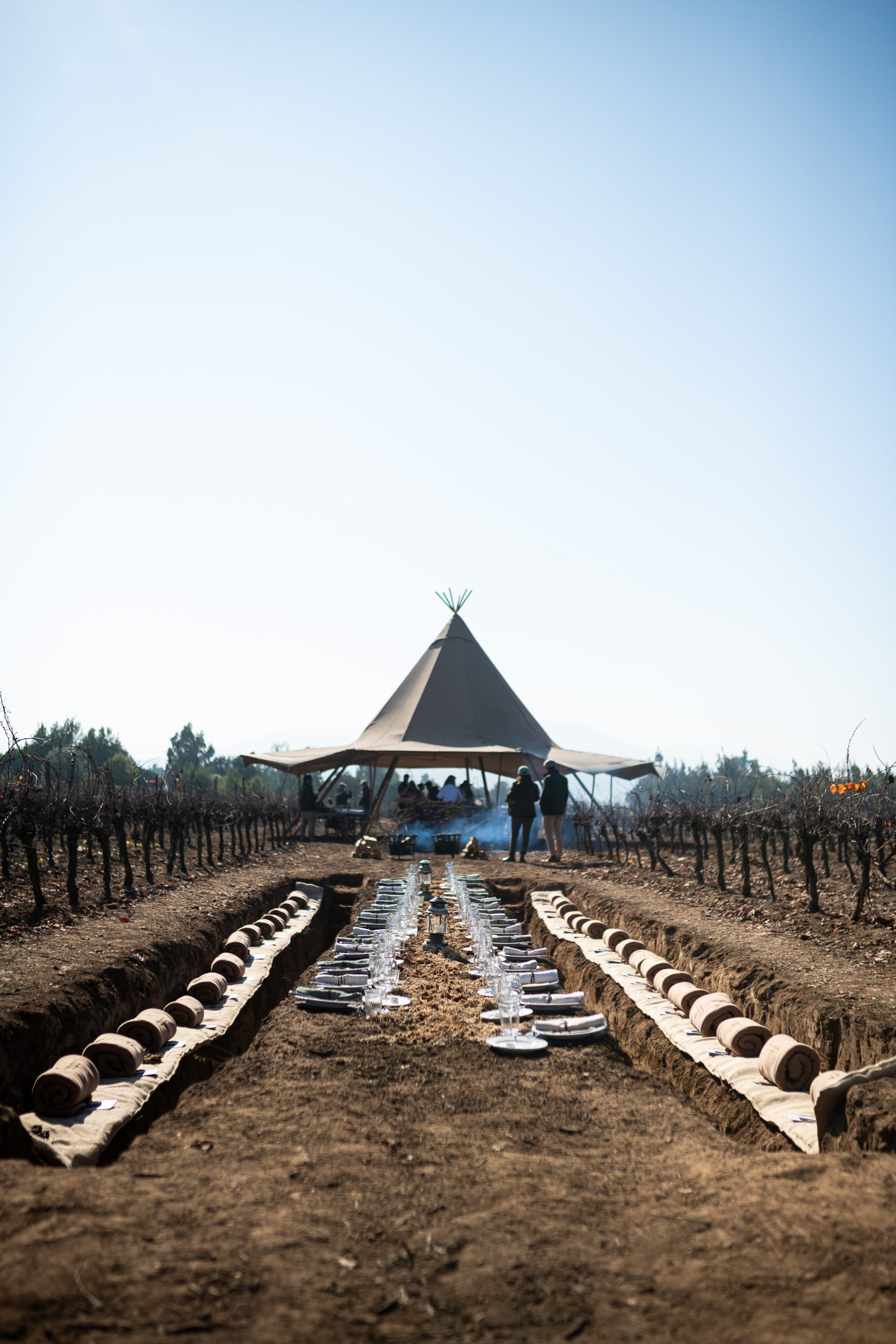
The official launch took place at the vineyard itself, with an outdoor table set up inside a soil pit – the excavation that allows observation of the soil profile – in a staging designed to reflect that origin, selection, winemaking, and ageing are the pillars of the new image.
About Viña Casas del Bosque

Viña Casas del Bosque is a winery located in the Casablanca Valley, recognised for its innovative approach and its pursuit of a distinct identity. Over the years, it has transformed its product lines to more accurately reflect the character of its terroirs and the work of its team.
Wines from Itata arrive in China with support from INDAP Ñuble.