 Wines
Wines

 Enotourism

 Gastronomy



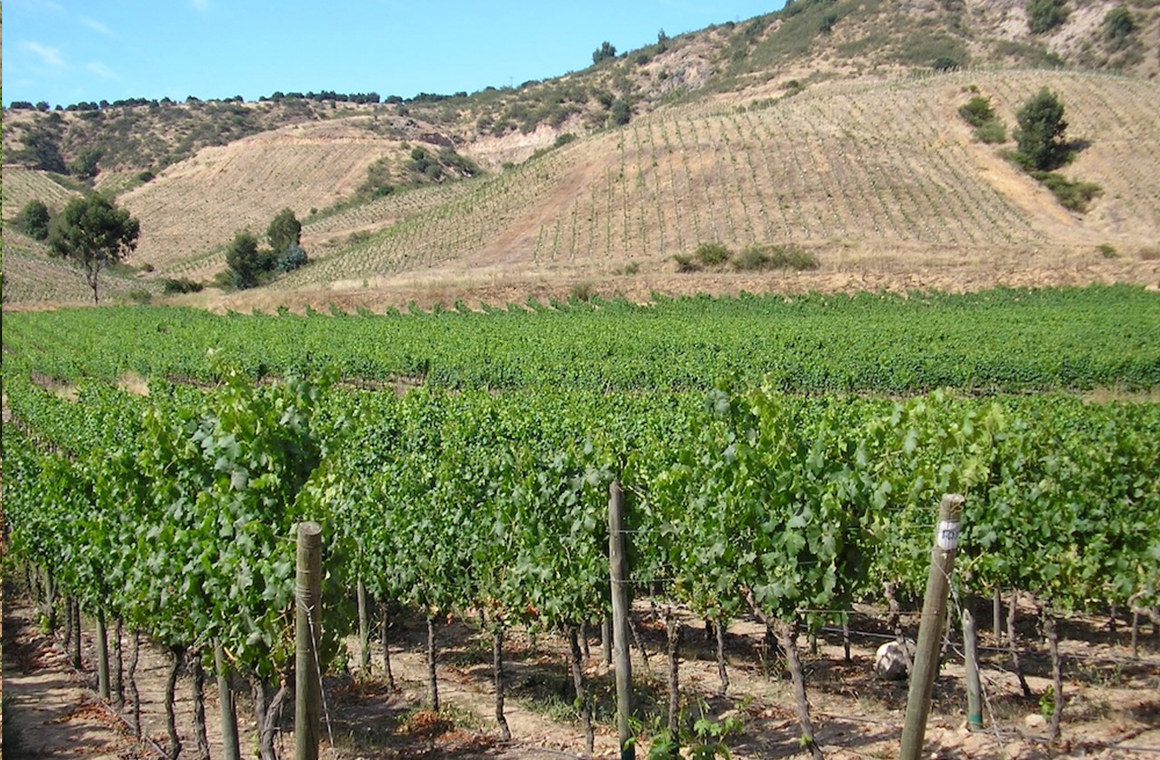
The National Association of Agricultural Engineers and Oenologists (ANIAE) released its 2026 Harvest Forecast Report, commissioned by the Office of Agricultural Studies and Policies (ODEPA).
The report — which year after year consolidates itself as a key tool for the industry — analyses the national agro-climatic scenario, the sanitary and phenological state of the vineyards, delivering an advanced outlook on what could be the next harvest in the country's main wine-growing regions.
For this edition, in addition to projecting productive trends from the north to the south of Chile, ANIAE gathered information from surveys conducted in November 2025 and March 2026 with producers, viticulturists, and winemakers from across the country.
This is further complemented by the analysis of climate data and water availability from organisations such as the Chilean Meteorological Directorate, the General Water Directorate, and INIA.
The report's scope is broad; it includes areas from Arica and Parinacota Until Aysén, covering traditional valleys such as Copiapó, Maipo o Maule, but also emerging territories that are not yet officially recognised in current regulations, thus reflecting the expansion of the Chilean wine map.
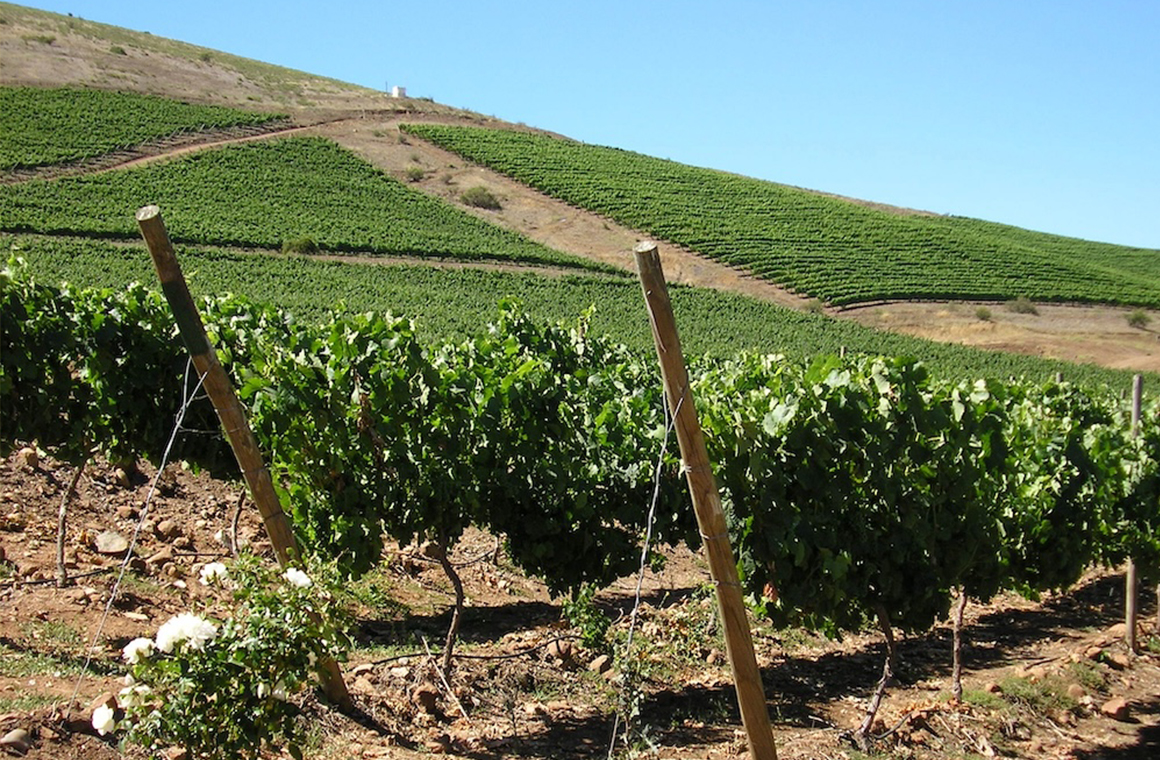
A cycle marked by heat and water scarcity
Between spring 2025 and summer 2026, weather conditions were characterised by temperatures above historical averages. This situation promoted the growth of the vines and reduced the occurrence of late frosts, although it also exacerbated water stress in several areas.
Rainfall, meanwhile, followed an uneven pattern: below-average levels in the north and central regions, and higher rainfall in the south of the country.
One of the most relevant aspects of the report is the advancement in phenological development, especially in early veraison varieties.
In the northern and north-central valleys, such as Aconcagua and parts of Maipo, this process began in early December. Further south, in areas like Cachapoal, Colchagua, Curicó, and Maule, veraison was more progressive, occurring between late December and mid-January.
Meanwhile, in coastal and southern areas – such as Casablanca, Itata, or Malleco – the cycle shifted towards the end of January and February, highlighting the diversity of rhythms that characterises the Chilean wine-growing region.
In terms of plant health, wood-decaying fungi are the main concern for growers, followed by the grape berry moth and damage caused by birds.
Added to this are climatic factors such as heatwaves, which have caused moderate losses, and the presence of smoke, which in some cases is said to have affected up to 50% of production, according to those surveyed.
Projection: a vintage that invites optimism
Despite the challenges, the overall projection points to stable production compared to the 2025 harvest, with moderate increases in certain valleys and, especially, in red grape varieties.
However, the report warns that the final outcome will depend on the climatic conditions of the coming weeks, particularly the evolution of the water deficit until the end of the harvest, scheduled for May.
ANIAE highlighted the contribution of oenologists, winegrowers and other professionals in providing key information for the production of the 2026 Harvest Forecast Report. The full document, with its executive summary, is available on the ODEPA site.
Check out more content in Colchagua drives the sustainability of Chilean wine.