 Wines
Wines
 Enotourism

 Gastronomy



growing demand for authentic, meaningful, and locally rooted experiences has strongly driven the Heritage tourism in Magallanes.
Far from mass tourism and its standardisation, travellers are choosing experiences that invite them to understand history, savour local gastronomy, and share in the hospitality of its people.
In this context, Patagonian estancias establish themselves as the undisputed protagonists: spaces where memory is lived, tradition is shared, and the Austral landscape becomes part of the experience.
One of the most representative cases is the Estancia Rio de los Ciervos, located just five kilometres from the centre of Punta Arenas. Its value lies not only in its architecture or surroundings, but in the family and heritage history it houses. “The manor house belongs to the Solo de Zaldívar Clavel family and has profound historical value,” explains Alejandra Solo de Zaldívar, hotel manager of Estancia Río de los Ciervos.
Construction began around 1920 and it grew alongside a large family, reflecting a typical English style of the era, marked by the European influence that characterised Punta Arenas when it was still a free port.
Turning this large house into a public space was a decision linked to heritage rescue. “My father, Alejandro Solo de Zaldívar, decided to give it a new purpose, with a clear vision of historical and tourist rescue, transforming it into a boutique hotel and a space where the history of the pioneers of Magellan could be shared,” says Alejandra.
The experience offered by the stay goes beyond accommodation. And gastronomy plays a central role as a vehicle for identity. “Our cuisine is honest, made with our own products and deeply linked to the territory. We work with local raw materials such as hare, lamb, guanaco, king crab and wild products, because we believe that when someone travels, they are looking to try the authentic. It is a way of telling stories and connecting the visitor with Magallanes,” states the hotel manager of Estancia Río de los Ciervos.
Heritage tourism: a growing trend
This type of proposal responds to a profound shift in the way people travel. Daniela Rodríguez, manager of Austro-Chilean (Magallanes Tourism Businesses Association), which is observing sustained growth in estancia tourism in the region.
“This type of tourism is highly relevant within the local offering, driven by travellers seeking more authentic, personalised experiences connected to the territory's history and culture. It positions itself as spaces that combine heritage, nature, and hospitality, allowing for a real immersion in Patagonian life.
Rodríguez highlights that heritage tourism generates a deeper emotional connection with the destination. “Visitors don't just want to see a place, but to delve into its culture, its stories, and ways of life. In the case of Patagonian estancias, there are stories linked to colonisation, livestock farming, and rural life, which transforms the visit into a significant cultural experience,” he explains.
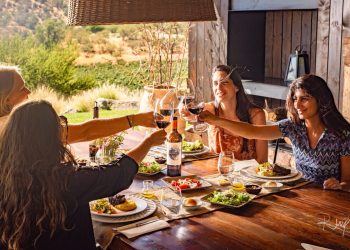
“One of our core experiences is the Regional Gastronomic Experience, designed for visitors to learn about and enjoy one of Patagonia's most iconic traditions: lamb cooked on a spit, prepared in the traditional way, accompanied by local produce and served in an environment that invites sharing, conversation and connection with the local culture. An experience that awakens the senses,” adds Alejandra Solo de Zaldívar.
Tourism with history in Tierra del Fuego
Magallanes's heritage viewpoint projects strongly towards Tierra del Fuego, where new initiatives are redefining how the territory is experienced: contemporary experiences that recover memory, honour original cultures, and connect the traveller with the essence of the ends of the earth.
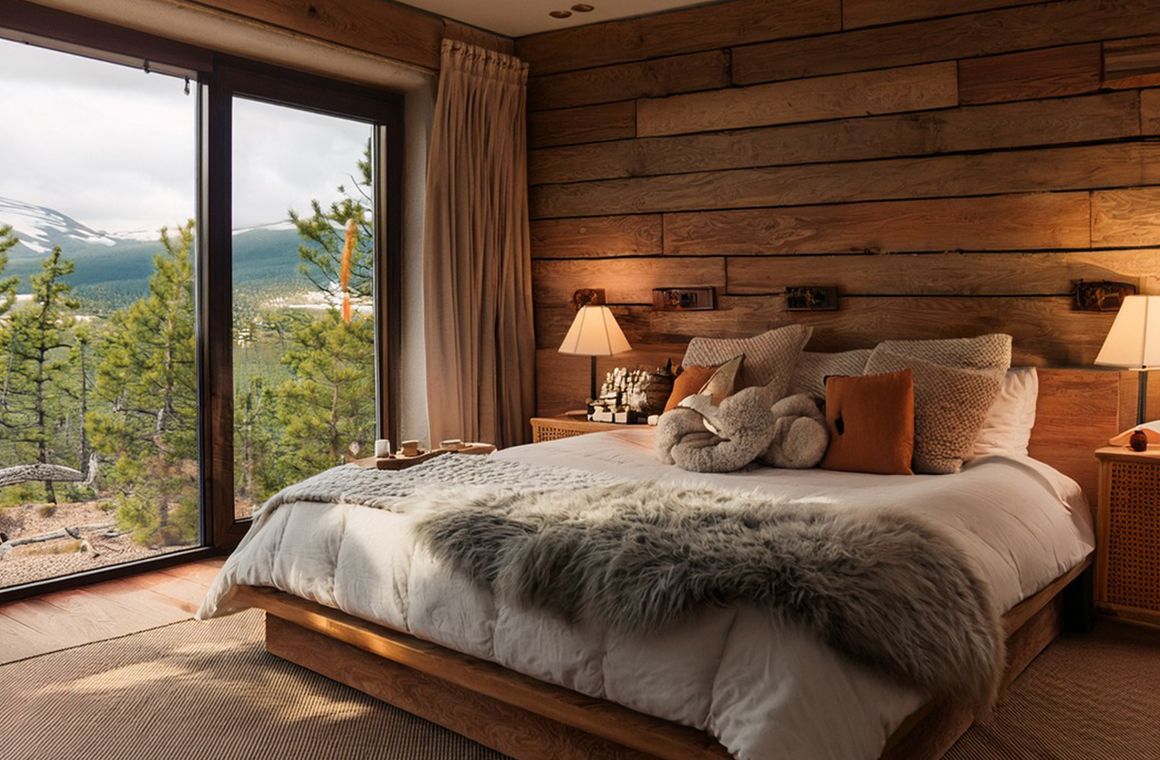
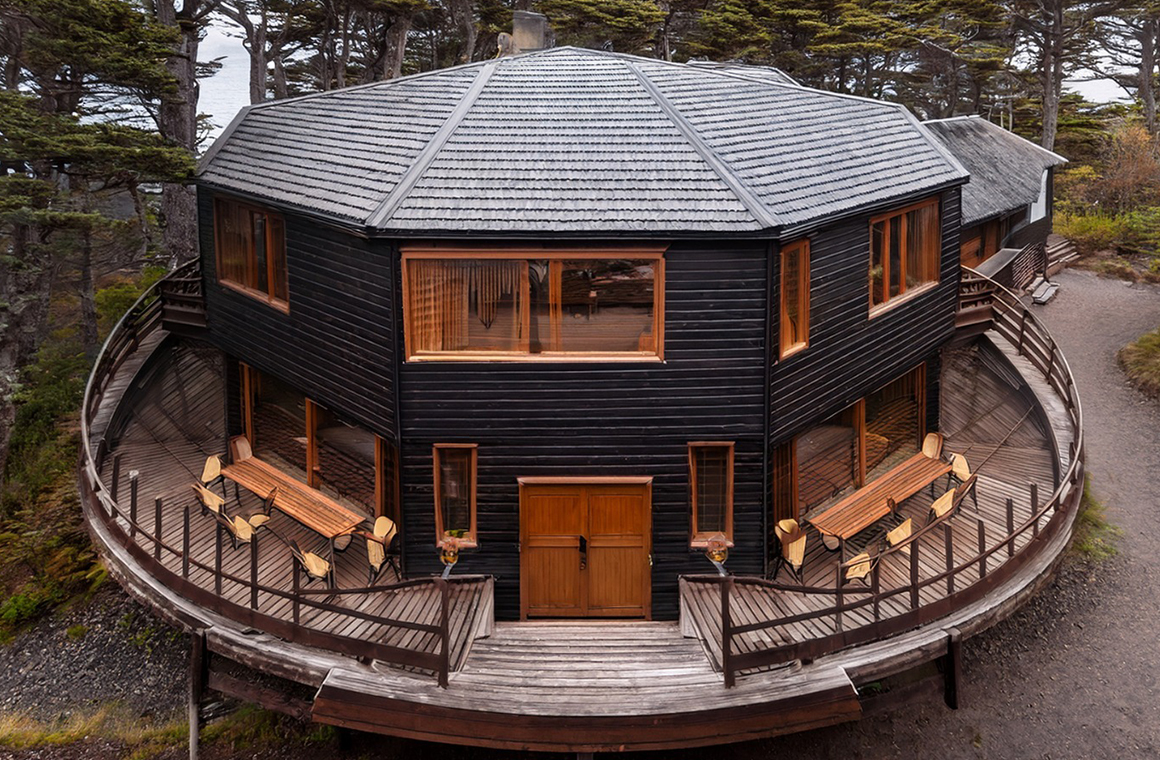
An emblematic project is the new Lodge Admiral, developed by Solo Expediciones in the impressive Admiralty Sound. A place where design, nature and ancestral culture come together to create a unique experience with profound identity.
“The lodge is inspired by the Ona (Selk'nam) ruca, reinterpreted from a contemporary, respectful perspective that is deeply connected to the territory,” explains Juan Pablo Solo de Zaldívar, operations manager of Solo Expeditions.
The design and decoration were developed in conjunction with local communities, incorporating noble materials, natural colours and textures that engage with the Fuegian environment.
Lodge Almirantazgo is much more than an architectural concept: it's a living experience, where every detail is designed for visitors to connect with the cultural identity of Tierra del Fuego. “We aim to highlight local knowledge, the territory's memory, and a way of living in balance with nature,” says Solo de Zaldívar.
The proposal is complemented by a strongly Magellanic gastronomic offering based on lamb, king crab, fish, and seafood, in addition to a range of experiences including boat trips through Seno Almirantazgo and Fiordo Parry; fly fishing in highly scenic environments; and guided treks and walks, adapted to different levels, to discover Fuegian forests, viewpoints, and coastlines.
The catamaran Santa Inés: sailing as an experience
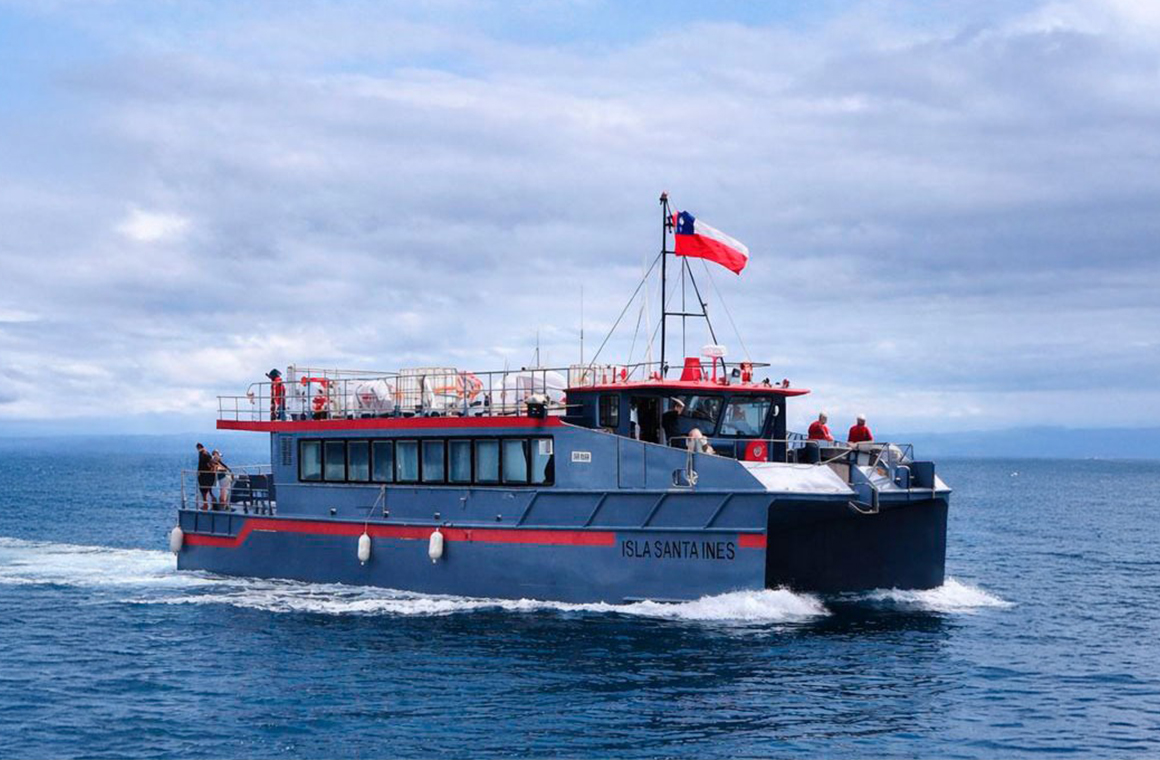
Among the main new features is the incorporation of the catamaran Santa Inés, a vessel specifically designed to navigate the southern channels. “It will not just be a means of transport, but an experience in itself, designed to interpret the landscape, history, and biodiversity of the territory,” explains Juan Pablo Solo de Zaldívar.
The Santa Inés will allow for strengthened maritime connectivity between Bahía Carreras, Caleta María, and Punta Arenas, integrating the transfer as an essential part of the journey and expanding the possibilities for exploration in one of the most pristine and breathtaking territories of southern Patagonia.
Tourism that does not simply show landscapes, but tells stories, salvages cultures and highlights heritage, offering authentic experiences that connect visitors with the essence of the south of the world. Thus, heritage tourism ceases to be a trend and transforms into a new way of travelling, inhabiting and understanding.
Check out more content in Cynthia Ortiz: “we are an important part of the terroir”.”.