 Wines
Wines

 Enotourism
 Gastronomy

For years, the conversation about wine from southern Chile centred mainly on the Itata Valley. However, following the creation of the Ñuble Region, there is a need to redefine the wine-growing landscape of Biobío.
Likewise, the opportunity to build a personal vision for a diverse territory, with a long productive tradition and a wealth of heritage that remains vibrant in hundreds of small producers.
It is in this context that the Biobío Wine Territorial Integrated Project (PTI) was born, an initiative driven by CORFO which seeks to strengthen the competitiveness of the regional value chain through associativity, technological transfer and strategic positioning of its wines.
To understand its scope, our De Chile Al Paladar team spoke with Sebastián Fuentes Germany, a geologist, winemaker, and manager of this programme.
Alongside him, we addressed the gaps facing the sector, the role of producers in building a regional brand, and the opportunity Biobío has to become a national benchmark for small-batch wines.
A plan to strengthen the entire wine chain
1. What does the Viticultural Integrated Territorial Project of Biobío seek to transform or activate in the regional ecosystem, beyond providing specific support to producers or vineyards?
The main focus of the project is to implement a territorial management model that allows strengthening the competitiveness of the wine production and commercialisation chain in the Biobío region, in this case the Itata Valley (SOUTH, following the division of the Biobío and Ñuble Regions) and the so-called Biobío Valley.
“In the words of some, winemakers are the actors who function as Tractors For local industry, they require grapes that meet the requested characteristics (acidity, D.O., varietals, etc.) and are transformed into wines of regional identity.
Beyond the technological transfer work to producers, the programme seeks to transform the ecosystem by improving the oenological quality and homogeneity of the products, incorporating sustainable production practices, and strengthening negotiation power through associativity, a key point for success in achieving the work goals.
The ultimate aim is to achieve strategic positioning for regional wines by highlighting their unique territorial attributes to facilitate their entry into new commercial markets.
The objective is to be able to help overcome gaps such as the stability and ageing of wines in bottles, help producers become more sustainable (in terms of money and carbon footprint), create strength through associativity, and have a strong regional brand to transform these into sales to provide a solution to the current scenario.
2. When we talk about “gaps” in the wine sector in Biobío, what exactly are we referring to?
The main gaps identified are the lack of homogeneity in the oenological quality of regional wines and the low presence of sustainable production practices that ensure environmental, social, and economic balance.
To this is added the low negotiating power of producers and a weak overall positioning of the region's wines, particularly within the domestic market.
This first year is about production and associativity, transitioning from a new formal structure to a shared vision for Biobío. Unlike other programmes, the coming years will be directed by a public-private committee that forms a Governance.
In other words, the objectives aimed at strengthening the sector will be established under a major regional agreement led by CORFO Biobío. It should also be noted that one of the purposes of having a formal structure is to ensure continuity in governance once CORFO Biobío’s support has come to an end. The private sector plays a key role here.
The challenges behind a regional brand
3. This programme has a multi-year deployment. How is it structured in terms of time?
It has a 3-year strategy. Each year is evaluated and must be approved to start the next, in addition to the role and directions of the Governance.
Year 1 It focuses on articulating a collaborative environment through the structuring of governance, prioritising the implementation of protocols, advising on best practices, and measuring organoleptic and technical quality parameters to ensure safety. It also promotes the creation of a trade association and participation in trade fairs.
Year 2 onwards: The aim is to consolidate the progress made, driving new growth strategies and collaborative work to position wines in increasingly competitive markets. The impact is continuously measured through performance indicators overseen by the technical and management team.
4. Who are the main beneficiaries of this initiative?
The project is designed to directly benefit wine producers in the Biobío Region, regardless of whether they are companies, the volume of wine they produce, or the nature of their business. Put simply, the only requirement is that they produce wine and are based in the region.
Furthermore, it seeks to provide producers with technological transfer focused primarily on the wine processing and marketing stages, located within the communes. As the name suggests, it is an Integrated Territorial Project (ITP) to strengthen an industry considered strategic for Biobío today.
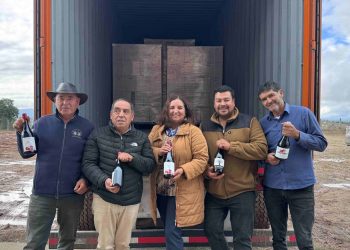
It is worth highlighting once again the unique position of being a wine producer within the region, which means the programme features a diverse range of wine producers—some well-established, such as Doña Luisa, and others emerging, such as Claro and Luna, both located in the commune of Nacimiento, in the Millapoa area. This example shows us an exporting winery situated next to a winery selling only locally, run by the younger members of the family who are featured in the same programme.
An identity built from the territory
5. The Biobío region has had to rebuild and strengthen its wine-making identity in a very different scenario following the separation of Ñuble as a region. What heritage, knowledge, grape varieties, practices, or stories does this initiative aim to rescue and highlight?
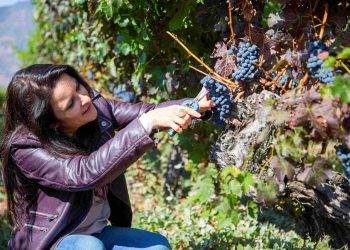
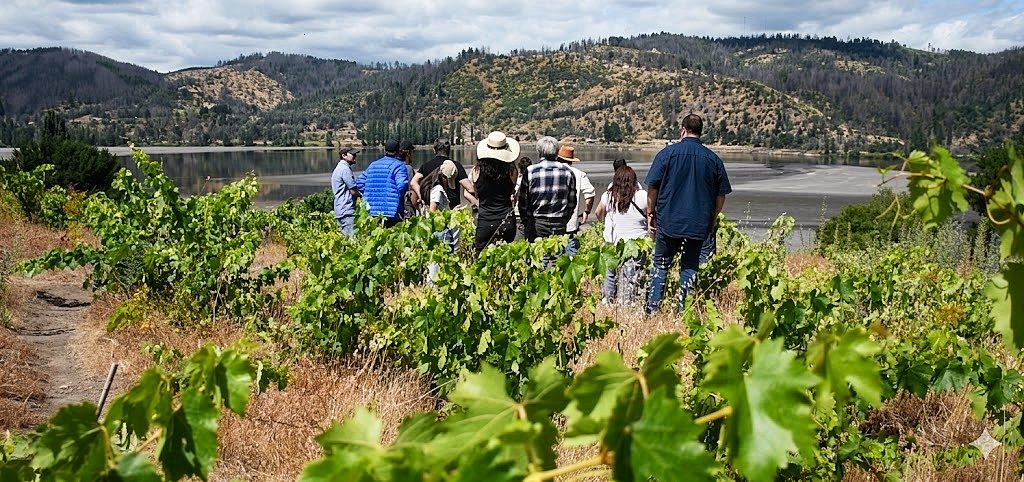
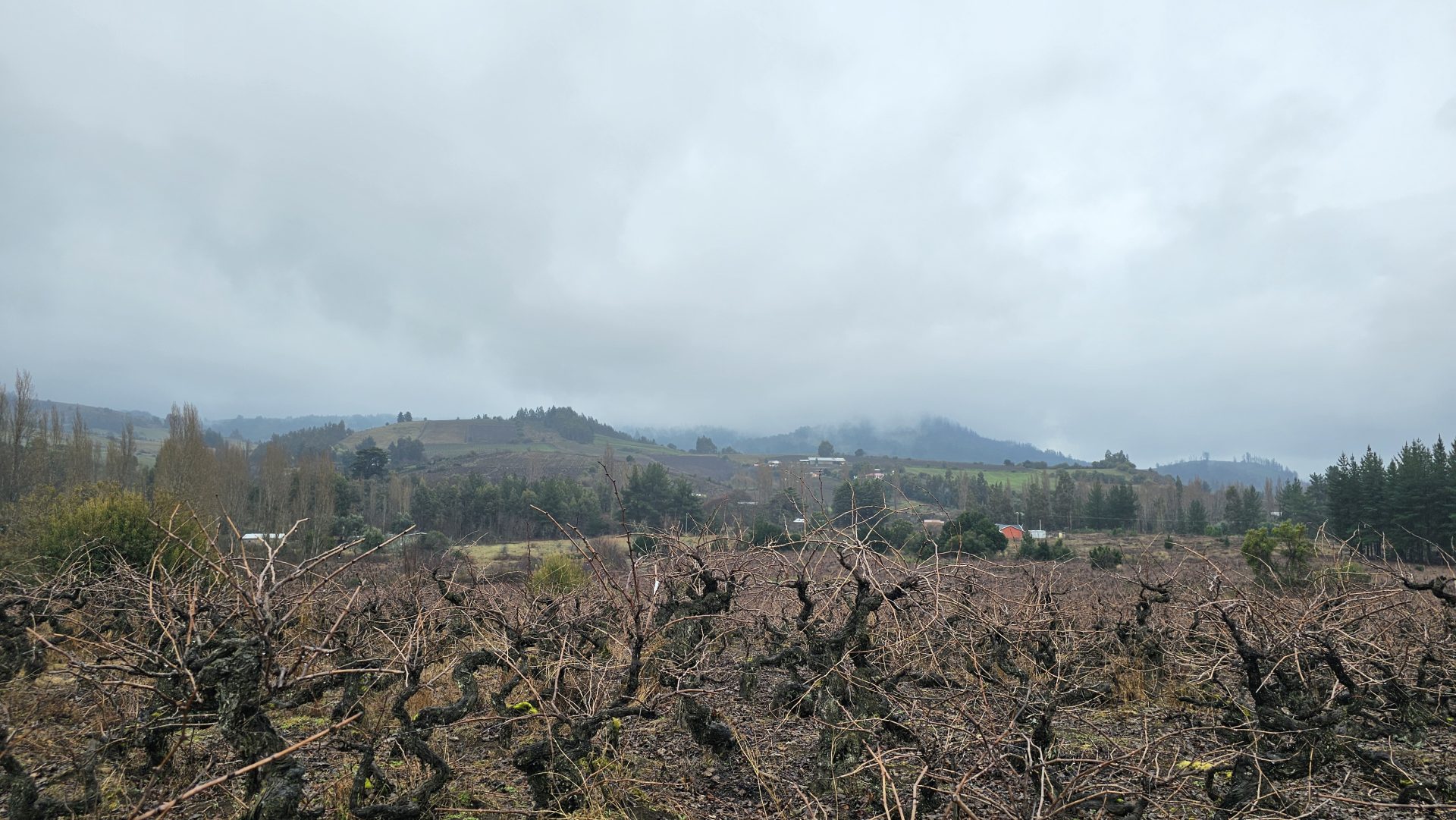
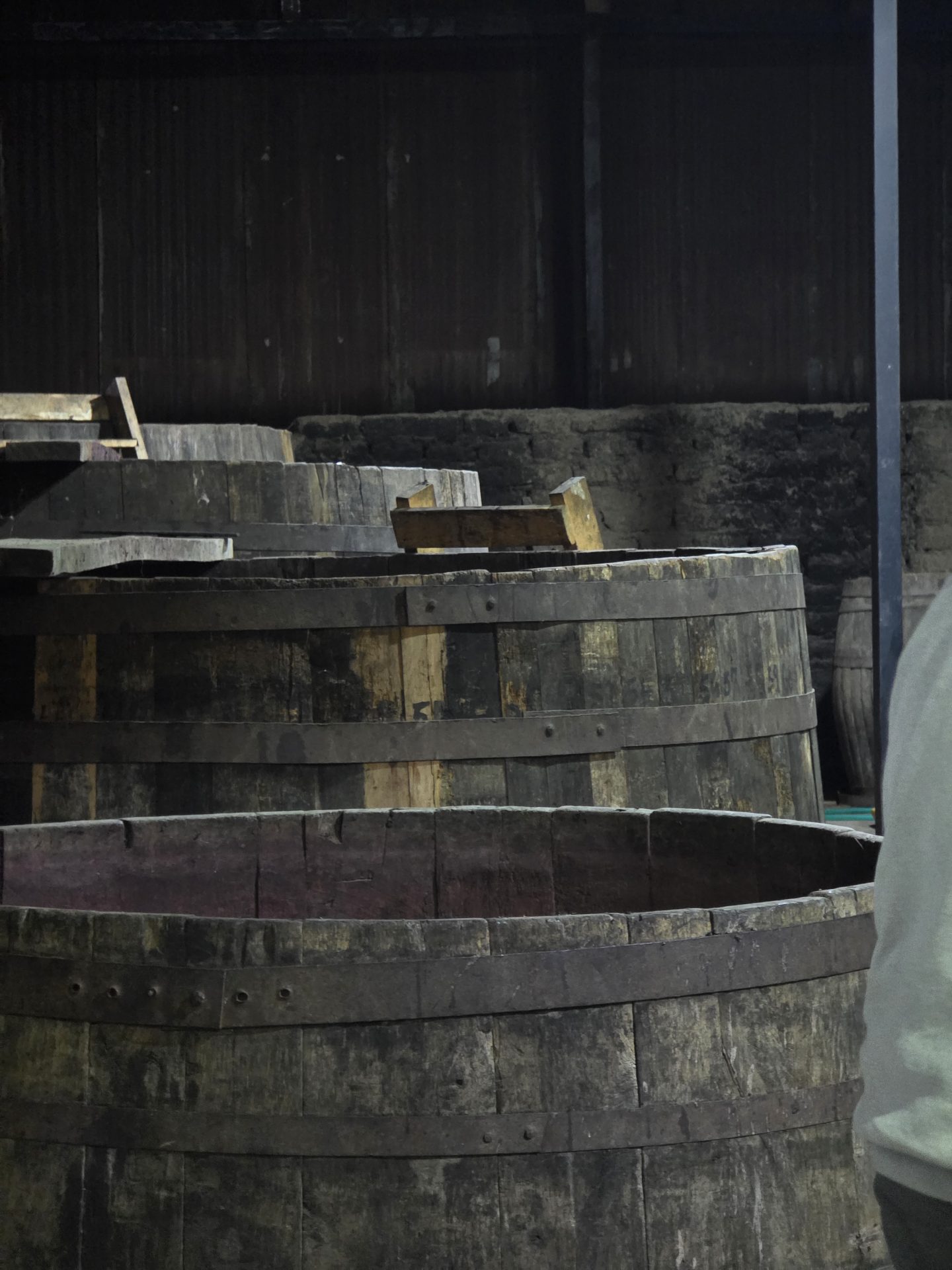
The project aims to highlight the value of cultivating grape varieties native to the area or called "criollas," such as País, Moscatel, Cinsault, and Malbec grapes. It focuses on emphasising the value of hundred-year-old vines, traditional dry-farming viticulture techniques, traditional winemaking recipes passed down through families for generations, and the rich heritage history of these rural areas as a way of life.
It is important to note that the aim is not to revive anything; firstly, because the winegrowers have been living this way long before this programme began, secondly, their wines have never ceased to be a part of daily life in the region; and finally, this programme aims to work alongside what already exists to strengthen it, guide the region towards a new way of promoting itself, and create a public-private partnership that will continue after the programme ends. The programme aims to strengthen an industry that is already up and running but faces various challenges.
6. There are other support programmes for wine, tourism and/or territorial development. What is different about this PTI Viticultural Biobío compared to similar initiatives?
Their main difference lies in their Governance model, which acts as a formal, transparent, and representative body that articulates the public, private, academic, and social sectors.
From a technical perspective, its distinctive value lies in the technology transfer component for overcoming gaps in more than one area or type, which is uncommon in projects.
In parallel, there is a programme with the same characteristics that addresses the topic of wine tourism. This allows the programme to focus strongly on production and marketing, it allows for seeking solutions to key gaps considered critical, with active participation in the design of the Governance's objectives. Without neglecting the greater amount of time for other types of projects, which allows for the generation of itineraries in associated work.
Imagining the Biobío of the future
7. Looking ahead: if this programme meets its objectives, how do you dream the Biobío wine valley will look in five years' time?
The concrete sign of success will be to have wines with consistent oenological quality that meet the attributes of an exportable quality standard. In simple terms, capable of withstanding long international journeys without losing their unique flavour.
The valley would be backed by a consolidated “brand shield” that guarantees a defined organoleptic typicality, generating absolute confidence in both buyers and consumers, particularly benefiting small producers.
Personally, I imagine it as the capital of Chile's small-production wines, with the technical and physical infrastructure to produce bottles on a human scale.
8. Finally, ofFrom your dual perspective as a geologist and oenologist, what makes Biobío unique as a wine-growing region, and why do you think it hasn't yet been fully understood or capitalised upon by the market?
The region offers a diversity of soils, an important connection with its long and wide rivers, which have always been a source of settlement. It offers everything from granite soils to terraces of volcanic sands clinging to the banks of the Biobío.
The valley had its boom in the 2010s with the idea of cold-climate grape varieties, large vines and vineyards; the least discovered are its small family producers.
I firmly believe this is a favourable time for these conditions, given the search for wines with stories behind them and small-scale productions. Ultimately, having many producers in a small area allows for a palette of colours available to discover the Biobío region a thousand and one times through its wines.
Official contact: Instagram @ptivinosbiobio and the email ptivinosdelbiobio@gmail.com.