 Wines
Wines


 Enotourism

 Gastronomy




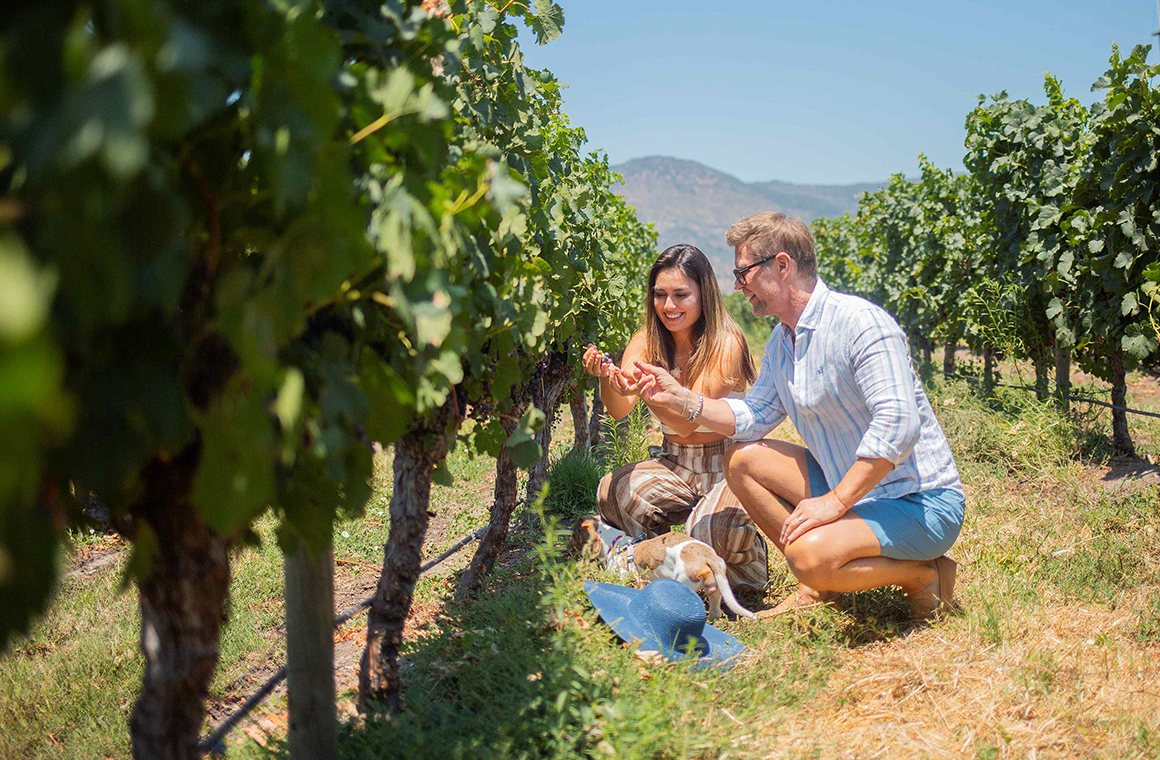
Chilean wine tourism is going through a period of significant expansion. The combination of internationally recognised wines, an increasingly sophisticated tourism offering and the sector's full recovery following the pandemic has driven a constant flow of visitors to the country's wine-growing valleys.
In this scenario, the Colchagua Valley has become a magnet for travellers seeking authentic experiences, rural landscapes, and a direct connection with wine culture.
This is further compounded by a growing international interest in destinations that combine nature, gastronomy, and tradition, an area where Chile has managed to position itself strongly.
The dynamism of the sector also responds to changes in travel habits. Tourists no longer just seek to taste wines, but to understand their origin, tour the vineyards, meet the producers, and participate in activities that integrate history, territory, and sustainability.
This trend has driven vineyards to diversify their offerings, professionalise their teams and invest in more personalised experiences, an effort that is now reflected in the sustained increase in foreign visitors.
From this context, the differences between South American markets become evident. According to Carmen Paz Ravanal, marketing manager at Ravanal Vineyard, the behaviour of Brazilians and Argentinians responds to very different motivations.
“Tourism in Chile is led by Argentinians in terms of volume, mainly driven by a ‘sun and beach’ logic of convenience. But wine tourism responds to a different profile, where Brazilians stand out, motivated by the experience,” he explains.
In addition, Brazil already has a prior relationship with Chilean wine, which facilitates the transition from consumption to travel. “First, they get to know the wine in their country and then they seek to experience it at its origin. Wineries like Ravanal, which are very present in Brazil, capitalise on this trend by offering authentic experiences that connect with that interest,” adds the executive.
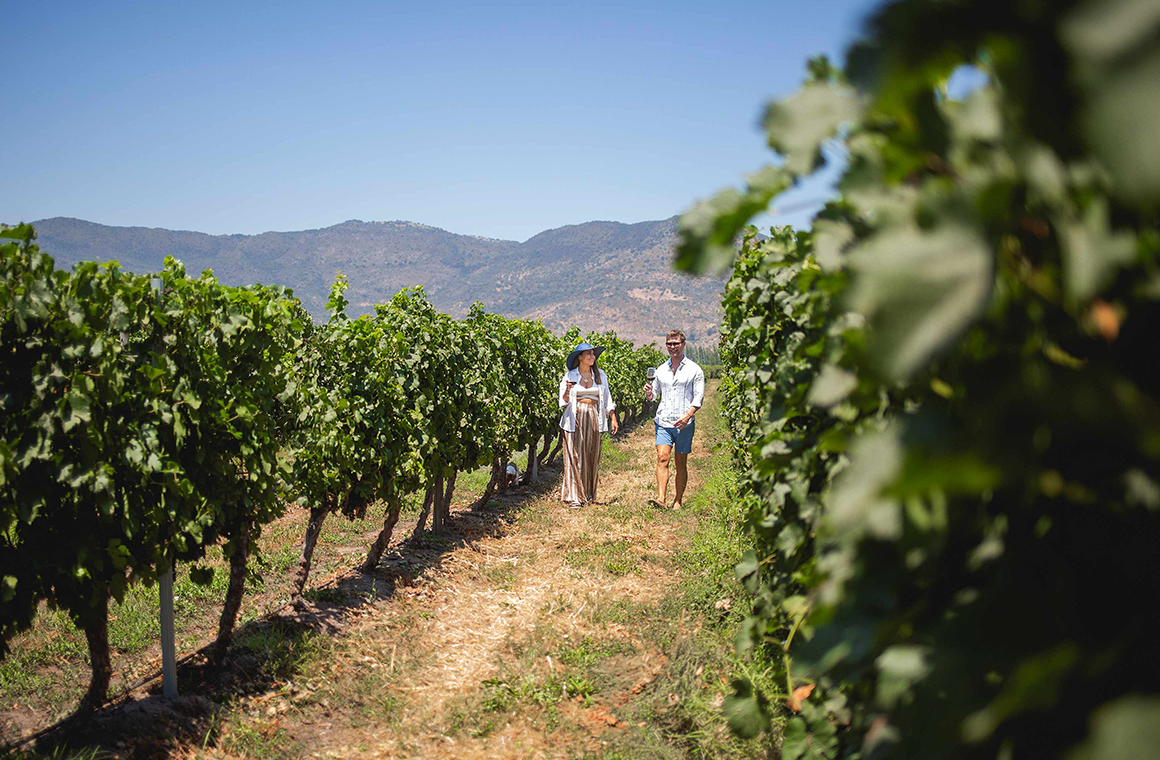
Trends and preferences of wine tourists
Preferences also differ in the type of activities sought. Carmen Paz Ravanal details that “Argentines prioritise short trips, shopping in Santiago and rest on the coast, where wine is consumed more than experienced”.
The Brazilian visitor, on the other hand, arrives with a different disposition: “They seek complete experiences: guided tours, tastings, and gastronomy. In Colchagua, that type of experience is paramount,” he assures.
This boom coincides with a key international recognition: the Colchagua Valley was highlighted by the BBC as one of the best places in the world to travel in 2026.
“The valley has established itself as a world-class wine tourism destination, where wine is integrated with gastronomy, culture and landscape. Wineries like Ravanal contribute tradition, quality and experiences that reflect the identity of the territory,” states the marketing manager of Viña Ravanal.
However, growth brings challenges. Specifically, in the Colchagua Valley, the call is to advance in sustainability and tourist sophistication.
“Water management, environmental standards, and human capital development are key. We are aligned with these demands, and this year we obtained the Chilean Wine Sustainability Code, a milestone for our management,” concludes Carmen Paz Ravanal.