
 Wines
Wines


 Enotourism


 Gastronomy




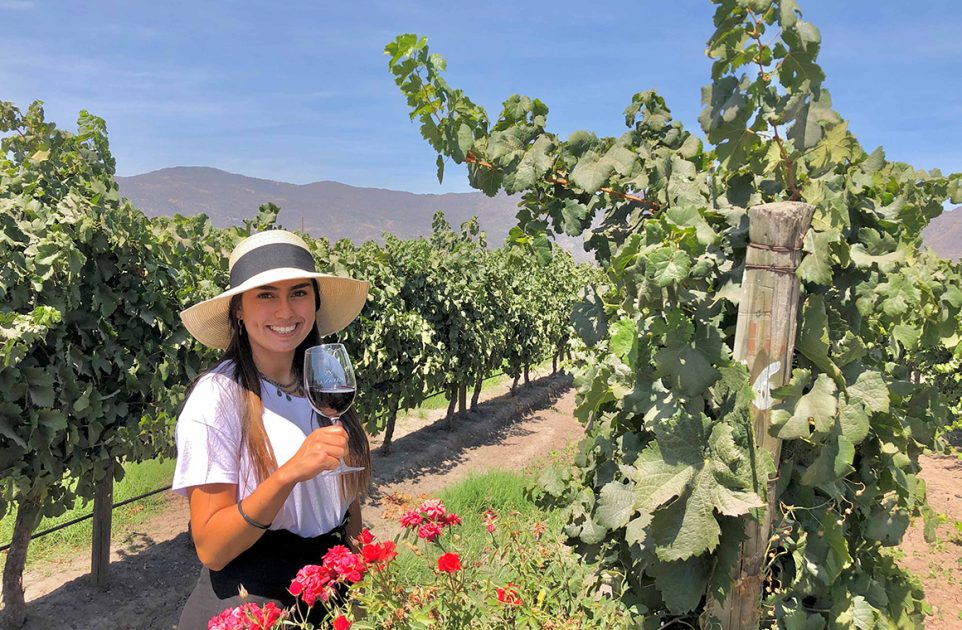
In the competitive global wine landscape, quality is no longer the sole deciding factor. Today, how it is produced is as relevant as the final result.
In Chile, this evolution has been consolidated through the Wine Industry Sustainability Code, a standard that has gained prominence to become a key tool for the industry.
In this context, the Colchagua Valley has positioned itself as one of the territories where this transformation is being experienced most strongly. Wineries such as Ravanal have taken an active role in implementing sustainable practices, integrating environmental, social, and productive criteria into every stage of their operations.
Created in 2011, the Chilean Wine Sustainability Code proposes a holistic view of production, based on three pillars: environment, society, and productive management. More than a certification, it is a system that drives continuous improvement and redefines industry standards.
“The winery carries out an internal self-assessment against a standard that covers three main areas: vineyard, winery processes and social sphere. Subsequently, an external auditor verifies compliance on site,” explains Alejandra Vinagre, Sustainability Manager at Viña Ravanal.
But beyond compliance, at Viña Ravanal, certification is understood as part of its productive identity. “For us, being certified means much more than meeting a standard: it implies responsibly managing our vineyards, production processes, and relationship with the community, under environmental, labour, and ethical criteria,” adds Alejandra Vinagre.
This is no small matter: it involves meeting hundreds of requirements and undergoing regular audits, which ensures that the certification is not merely a formality. In fact, according to industry figures, around 80% of the bottled wine exported by Chile comes from certified vineyards.
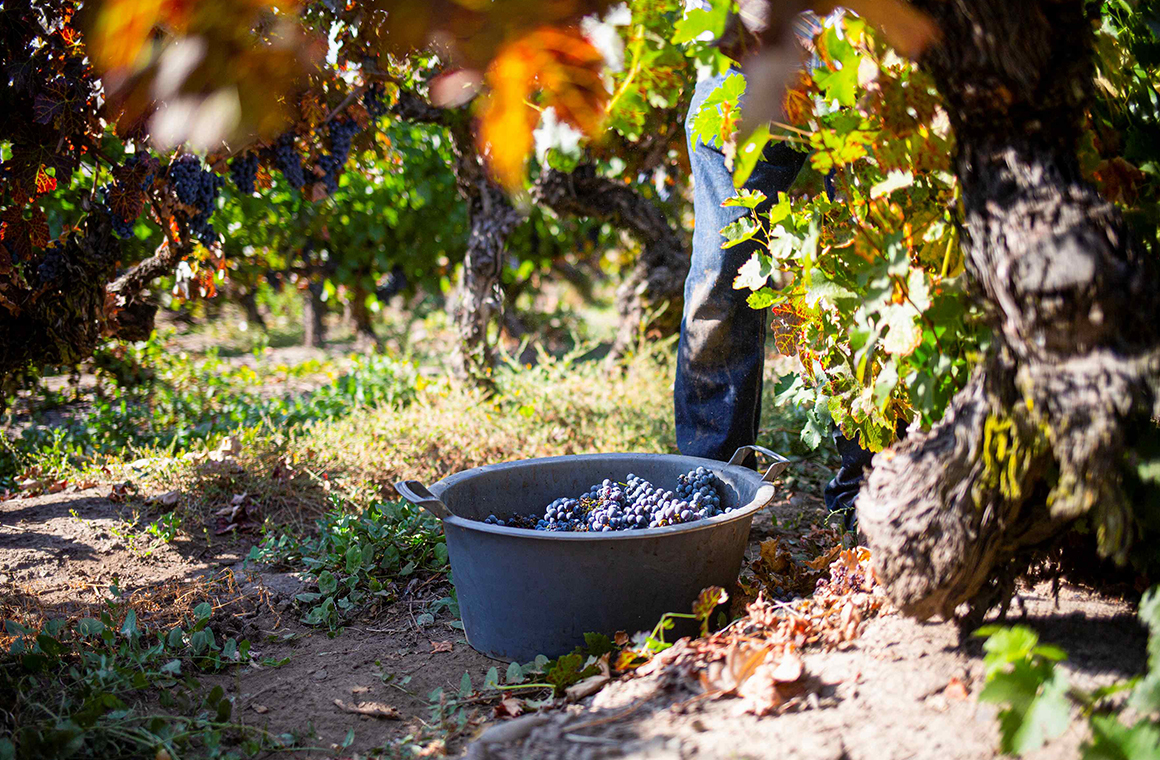
Colchagua: Pioneer and Laboratory of Sustainability
The Colchagua Valley has not only adopted these practices but has been at the forefront of their development. “It has been significant and, in many cases, pioneering within the sector, given that the foundations for the first versions of the Sustainability Code were laid in this valley,” states Belén Ruz, sustainability coordinator for Wines of Chile.
Currently, 23 vineyards in the valley are certified, forming part of an ecosystem where sustainability has ceased to be a trend and has become a management foundation. In this context, experiences such as that of Viña Ravanal reflect how sustainability is integrated transversely, from the vineyard to the relationship with the environment.
From a sectorial point of view, this certification also allows for the ordering of risks and improved competitiveness. “It allows vineyards to demonstrate their performance in all three areas of sustainability with a validated tool and to monitor potential risks in the production chain,” adds Belén Ruz.
Sustainability on the ground: water, energy, and community
In Colchagua, sustainability is not just a concept in writing. Vineyards have had to adapt to a context marked by climate change, particularly water scarcity. “The valley has not been left out. Work is being done on responsible water resource management, along with the reuse of greywater for irrigation and responsible waste management,” explains Alejandra Vinagre of Viña Ravanal.
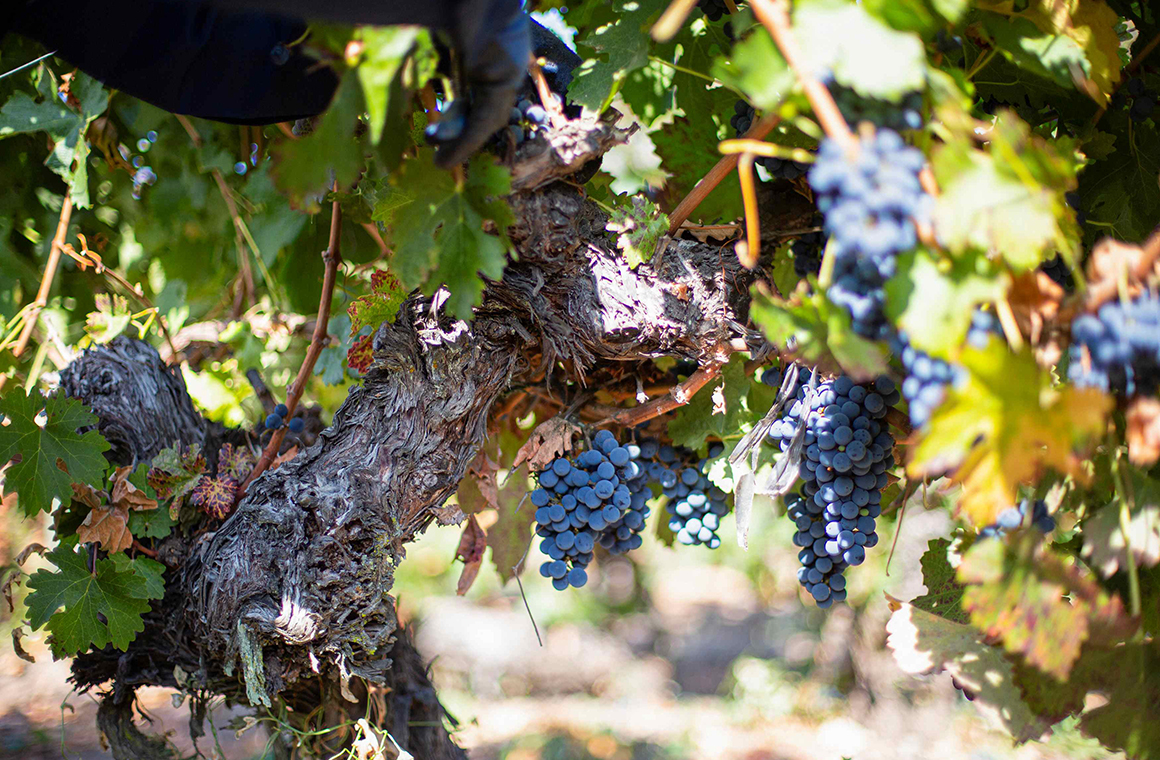
But the focus goes beyond the environment. The Code also incorporates social requirements that directly impact workers and communities. It includes working conditions, health and safety, training and well-being, as well as promoting dialogue with local communities and the hiring of local suppliers.
Thus, sustainability is understood as an integral concept that runs through the entire operation, from the vineyard to the territory.
But despite the advances, the sector faces growing challenges. Climate change, the need to incorporate small producers, and the pressure to innovate are some of them. “Leadership involves facing increasingly complex challenges, such as water scarcity, rising temperatures, and extreme weather events,” warns Belén Ruz of Wines of Chile.
This is compounded by an internal challenge: understanding that certification is not a destination. “Sustainability is not a goal achieved with certification, but a continuous process: the real challenge is to surpass the standard year after year. It reflects a real commitment and not a regulatory obligation. When a vineyard decides to get certified, it does so understanding that sustainability is part of the business,” says Alejandra Vinagre.
In Colchagua, sustainability is no longer just talk; it's an established practice. And in vineyards like Ravanal, this commitment translates into a concrete way of producing wine, where respect for the environment, people, and the land is an essential part of its identity.
More than a stamp, it's a narrative: that of a wine which not only expresses its origin but also the responsibility with which it was created. Learn more about the Sustainability Code at Wines of Chile.
Check out our previous content Maturana Sunset Festival Dazzles at its 6th Edition.