 Wines
Wines
 Enotourism
 Gastronomy


This trip to La Rioja was part of a larger tour. Almost a month away from home, starting in England, with a brief 24-hour escapade to France, and also an unforgettable week in Spain. An experience as intense as it was deeply anticipated, a lifelong dream.
After three days in Heytesbury UK, I arrived in Madrid for the first time. We slept there, walked the city taking in its most important landmarks on a bright morning, and, almost without realising it, we were already heading north.
The train took us to Bilbao, where we stayed and We spent a morning before renting a car that would take us to the renowned wine region in the Basque Country. From there, the most anticipated part of the trip began: Five days touring La Rioja At our own pace.
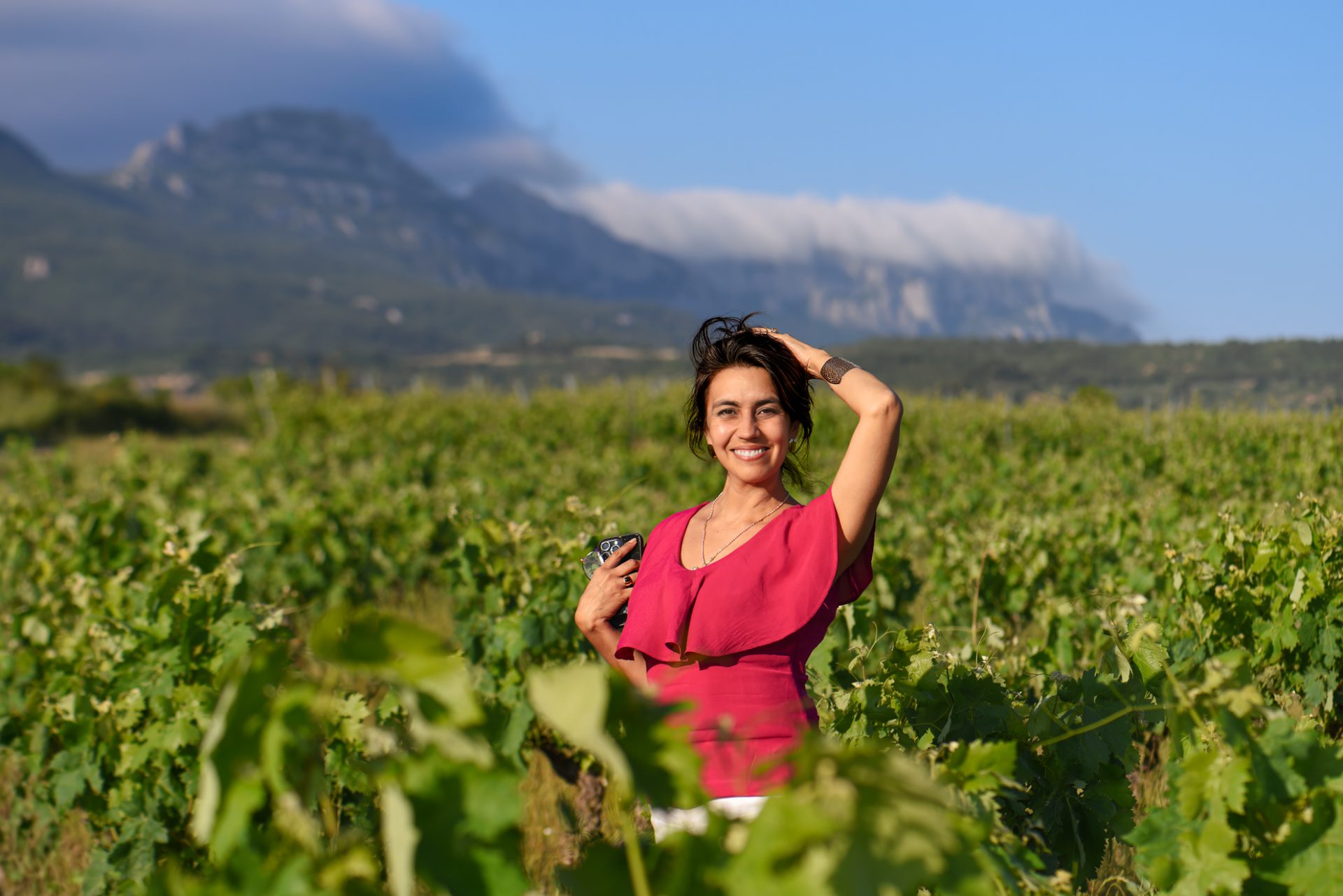
This was the longed-for destination. The place where time stood still and took us back to the most memorable moments of this adventure. In La Rioja, everything seems to have a different scale: the days stretch out between vineyards, conversations are held with calm, and each glass becomes an excuse to better understand the territory.
It wasn't just about visiting wineries; we also wanted to experience their way of life where wine is memory, identity, and the present all at the same time.
In this first part, I revisit those places that marked the beginning of an experience that, more than a journey, was a deep immersion into wine culture.
La Rioja: a territory that elevates the senses
A place that welcomed us with an indescribable quiet strength. It is not strident or grandiloquent, it is profound. Here the landscape speaks softly, but with authority.
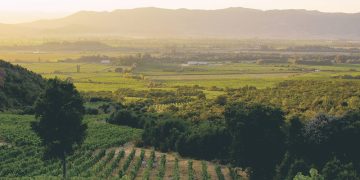
Vineyards stretching as far as the eye can see, ancient stone villages with narrow streets that were certainly laid out long before cars existed, more suited to walkers.
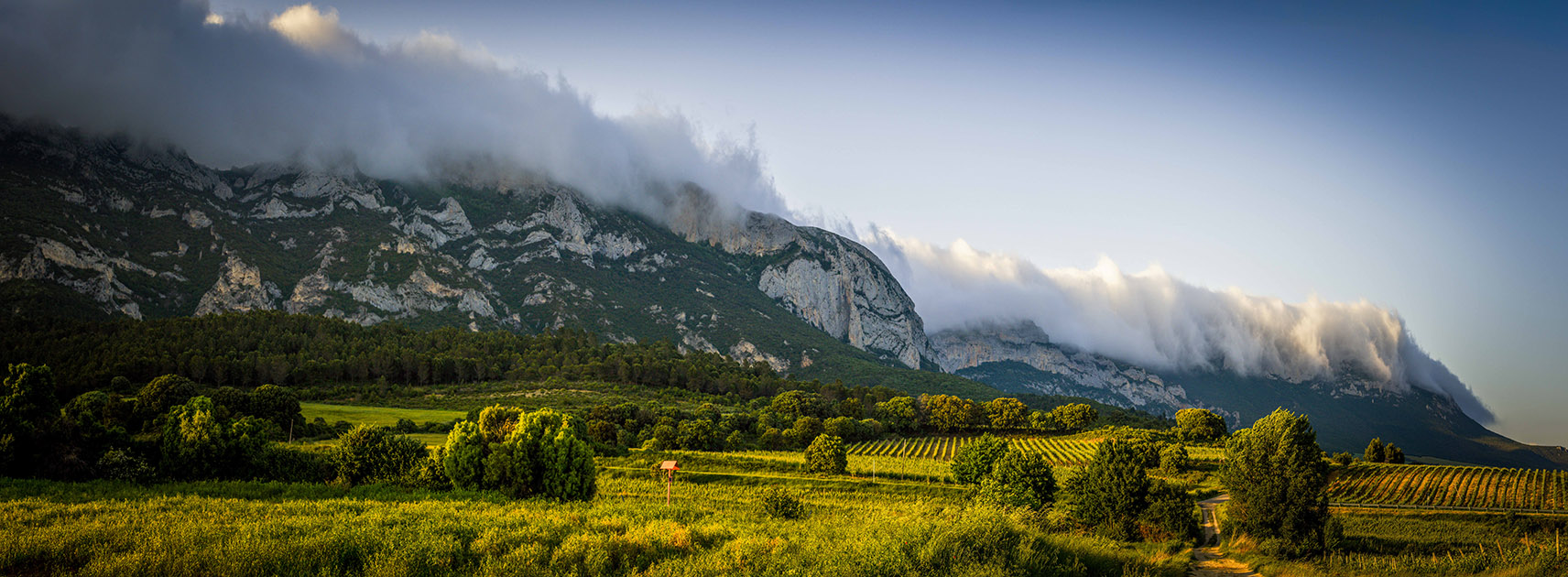
The Camino de Santiago crosses this region like a luminous trail. Ancient pilgrim paths intertwine with vineyards that now cover more than 66,000 hectares. To travel through – or simply gaze upon from any vantage point – these landscapes is to understand that wine here is not an isolated industry, but a historical, cultural and human continuation.
In 2025, La Rioja celebrated the 100th anniversary of its Qualified Designation of Origin (DOCa), a story that truly feels alive in every corner: in the wineries, in the squares, ancient buildings, in conversations… at the table!
The Ebro: where wine finds its course
And it is precisely on this journey that the Ebro River appears, crossing La Rioja from west to east, marking subtle but decisive differences. On one side, calcareous soils, high-altitude vineyards and an Atlantic influence that brings freshness. On the other, gentler slopes and warmer climates.
That geography is precisely what translates into different wines, even within the same grape variety. Tempranillo – the soul of La Rioja – finds multiple expressions here, depending on its origin, altitude, and soil. Understanding this, by travelling through the territory, is something that I believe no book can fully explain.
Ramón Bilbao: innovation that reinterprets history
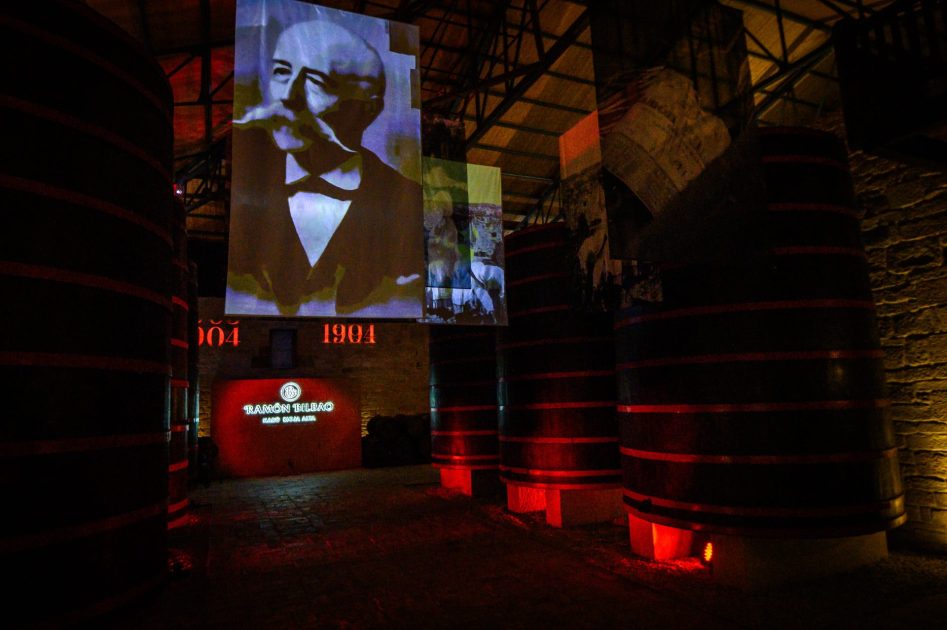
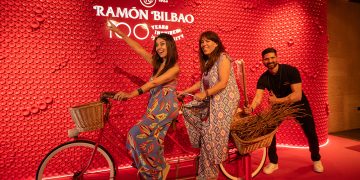
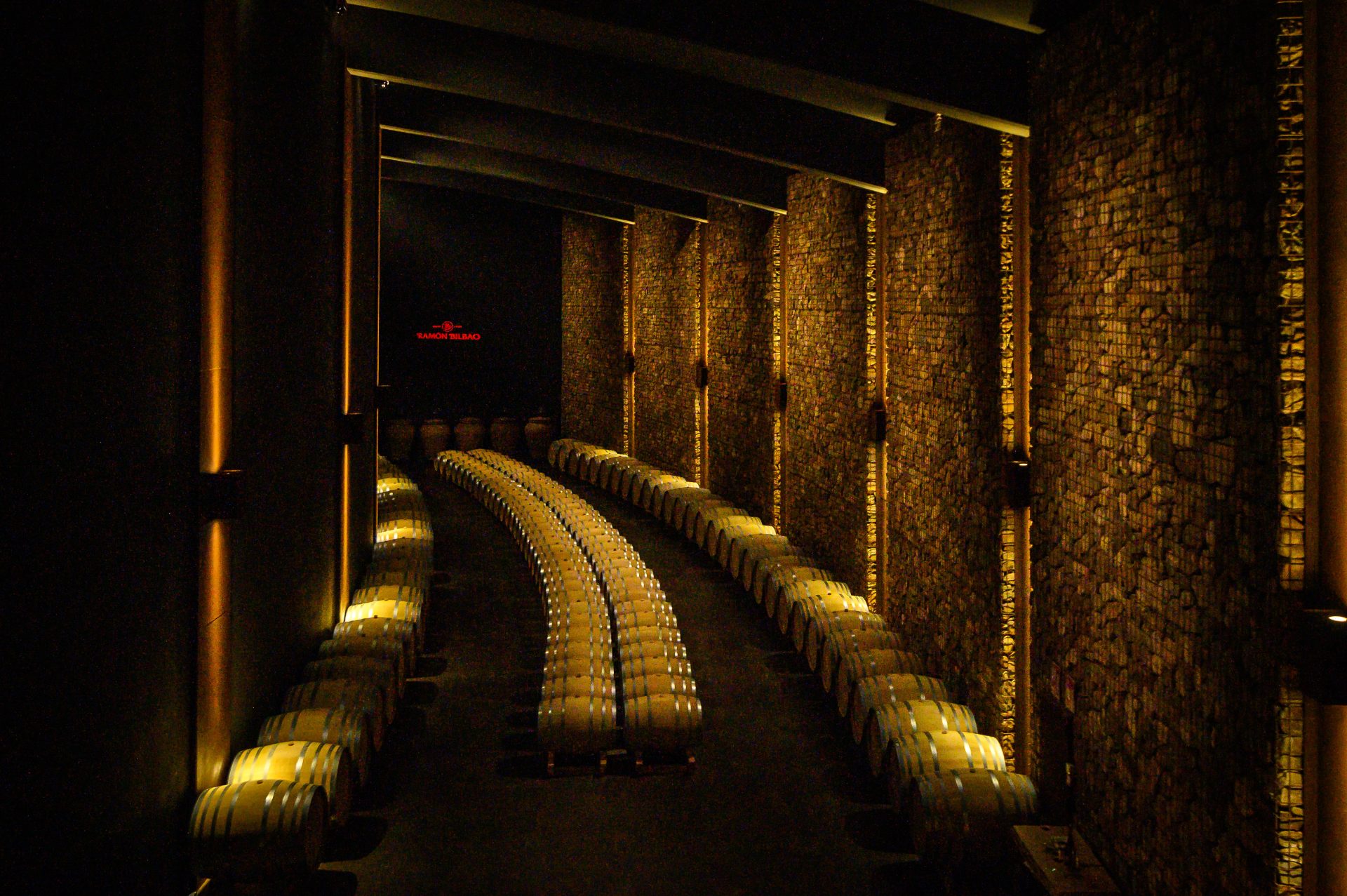
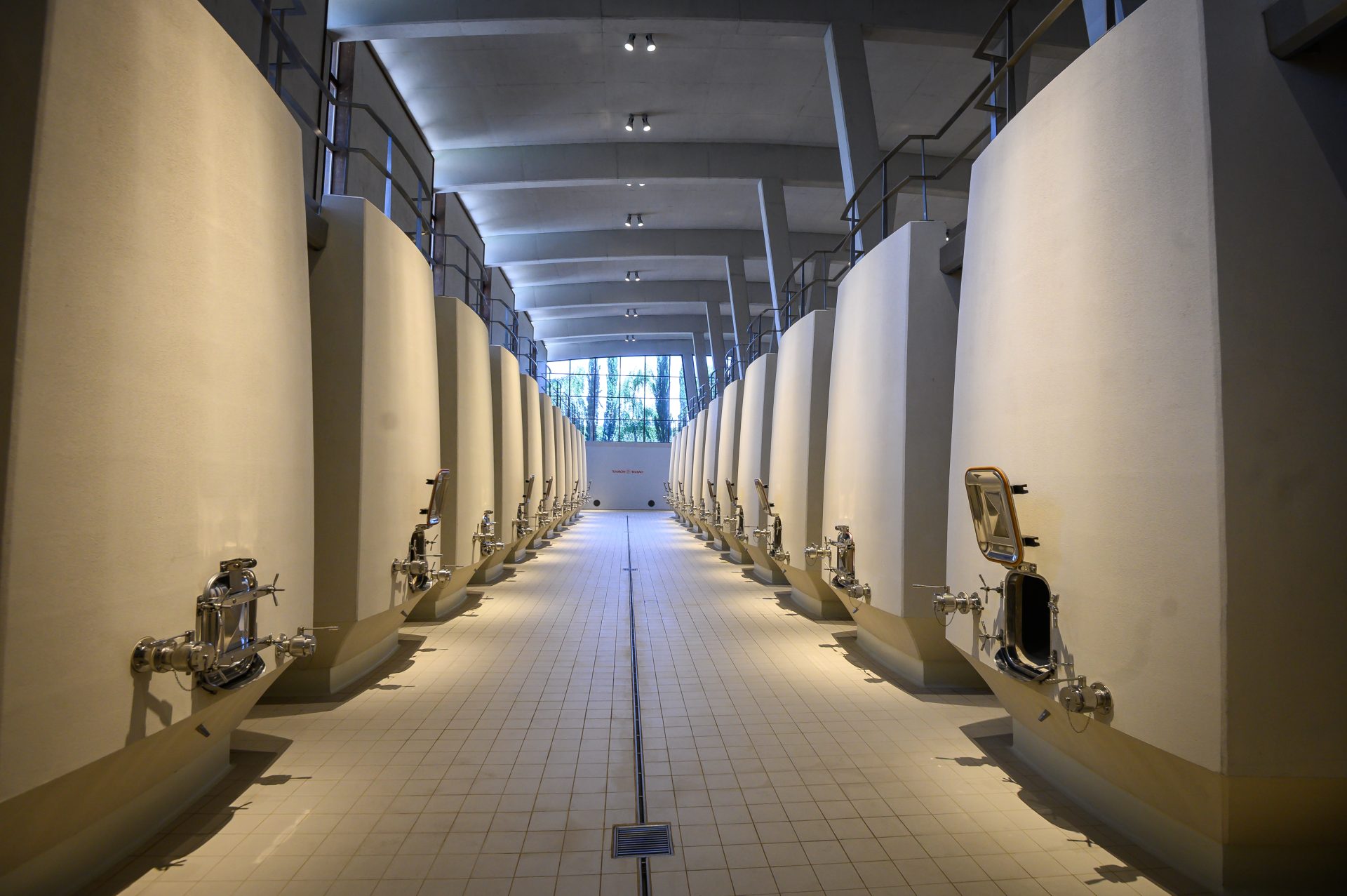
On our walk, we arrived at Ramón Bilbao Winery in Haro. It was a real honour for us, and the first wine tourism experience in Spain for both of us. Getting to know this project from the inside allowed us to understand how a century-old winery can look to the future without losing its identity, transforming each visit into an immersive experience for wine lovers and lovers of the good life.
Hand in hand with our friend Zaida de Semprún, We toured his vineyards, but without leaving the winery., because its proposal aims to transport the wine tourist through innovative experiences that awaken the senses (sight, smell and taste). We are talking about climate change, adaptation, freshness and precision. Ramón Bilbao does not forget tradition; rather, it reinterprets it.
Your D.O.Ca. Rioja and D.O. Rueda wines reflect a contemporary, vibrant Rioja, mindful of its history and, at the same time, decidedly modern. Thanks, dear Zaida!
Vivanco: Wine as a Universal Culture
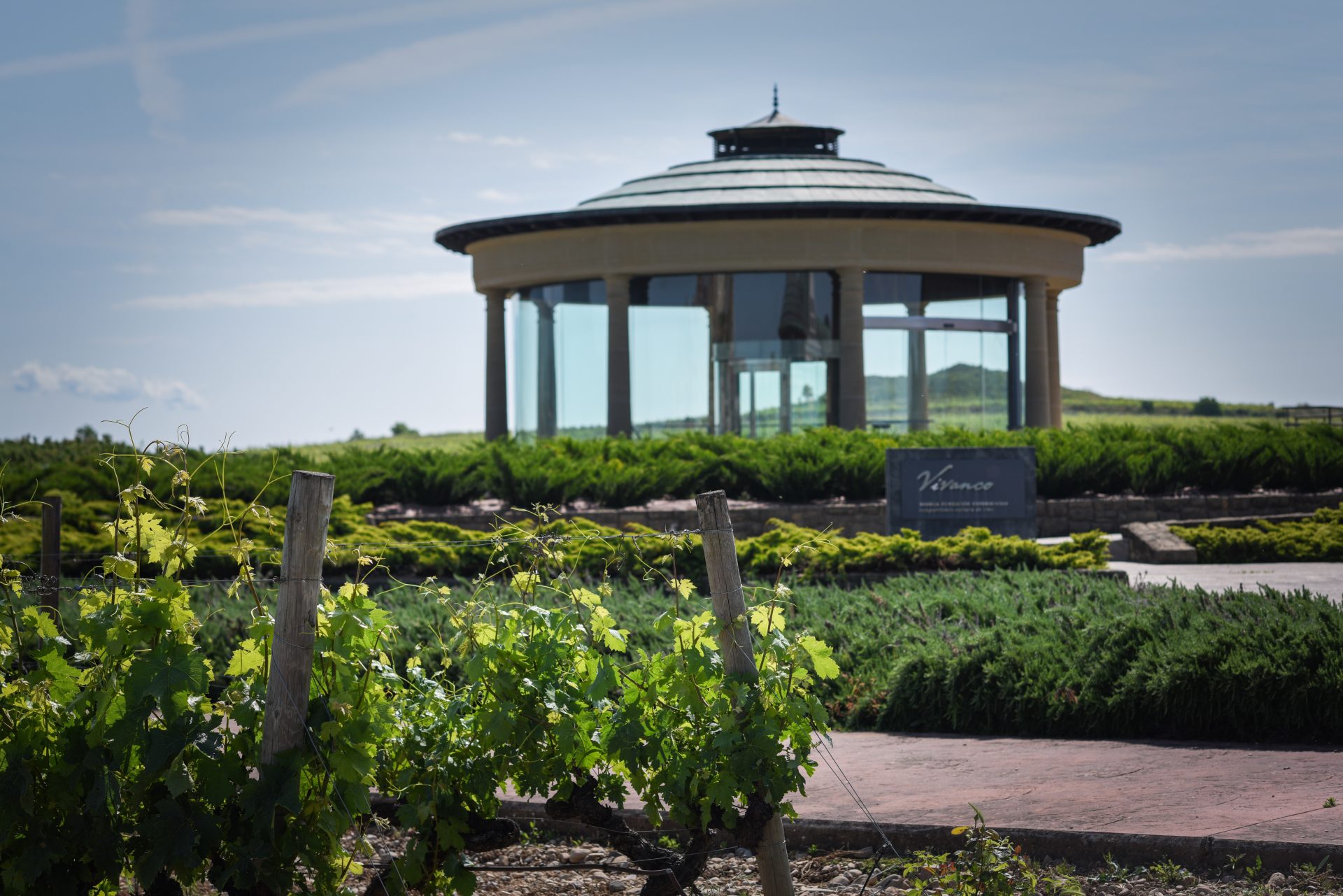
On our third day in La Rioja, specifically in Briones, we arrived at Bodegas Vivanco, a true icon of Riojan viticulture and a family that now boasts four generations linked to wine. Before we delve into their renowned museum, we begin touring the winery and part of its wine tourism offering, in an experience that allowed understanding how wine is experienced here from a deeply cultural, but also contemporary, perspective.
The visit progressed through tasting rooms, barrels, and spaces designed to bring the visitor closer to the essence of the region. At Vivanco, tradition and innovation do not compete: they constantly dialogue. This philosophy is also perceived in their wines, where alongside the different expressions of the Tempranillo, historical and very representative varieties from La Rioja appear, such as Garnacha, Mazuelo, Maturana Red and Maturana Blanca – among others –, an important part of an identity that the winery has managed to preserve and reinterpret with enormous coherence.
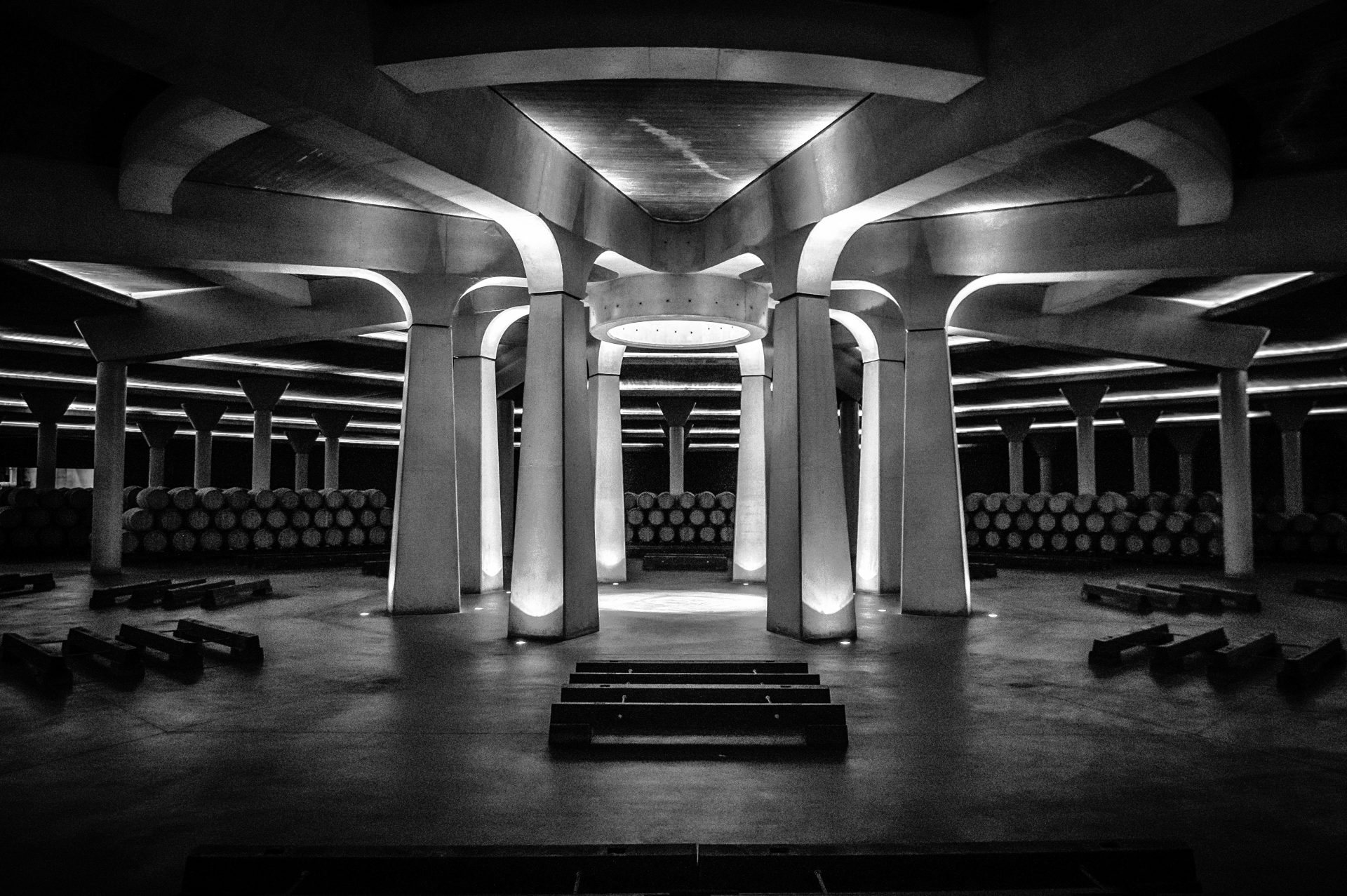
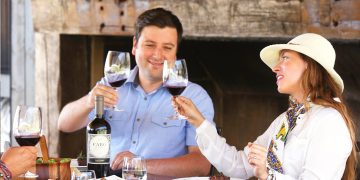
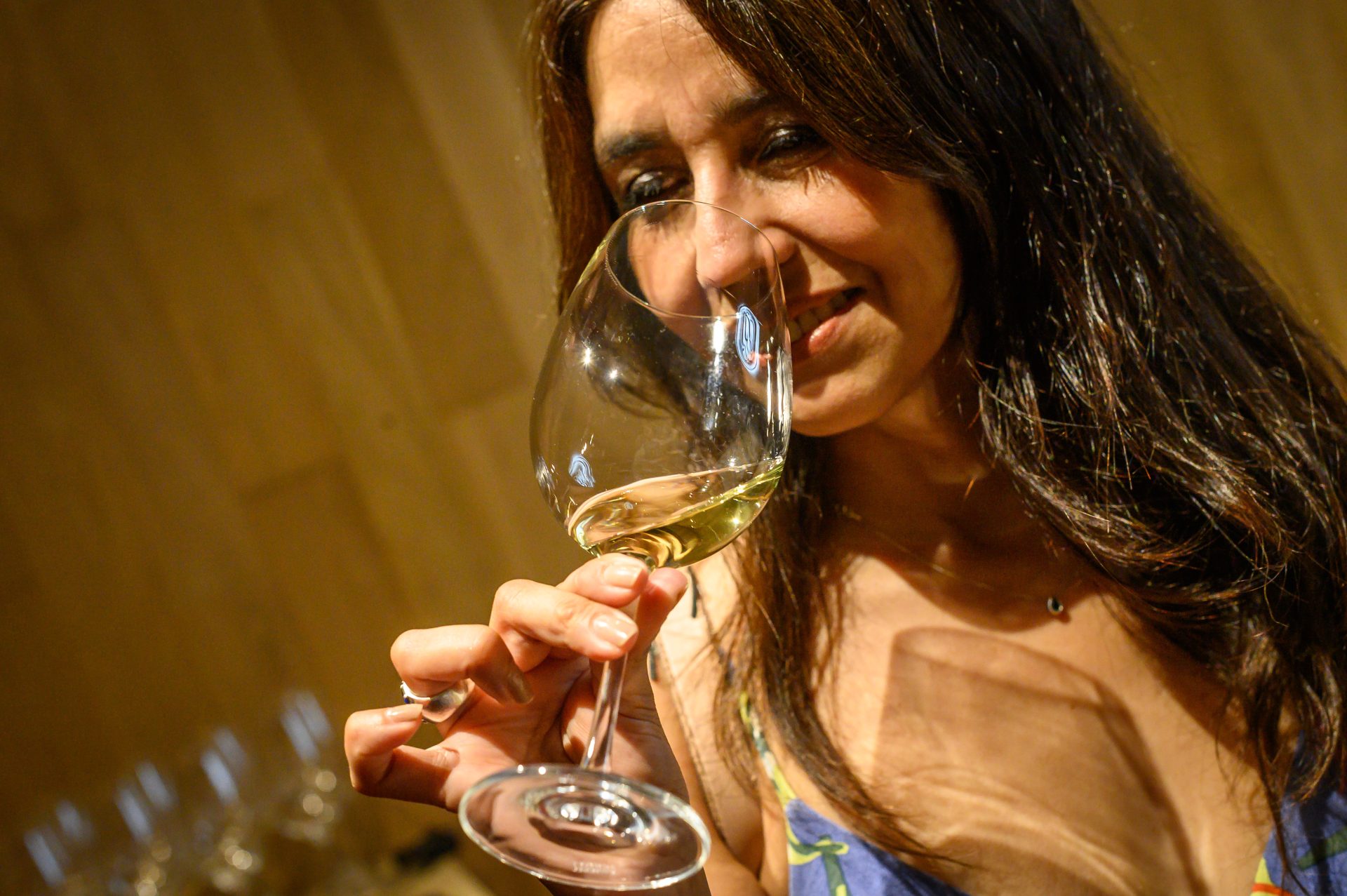
Then came the time to try some of their wines, a tasting that finally gave meaning to the tour. Elegant, precise wines, deeply connected to the Riojan landscape, capable of conveying freshness, depth, and a strong sense of origin.
All of this helps to understand why Vivanco has been recognised among the world's best wine tourism destinations in the ranking The World's 50 Best Vineyards 2025, establishing itself as one of the leading international references for contemporary wine and wine tourism.
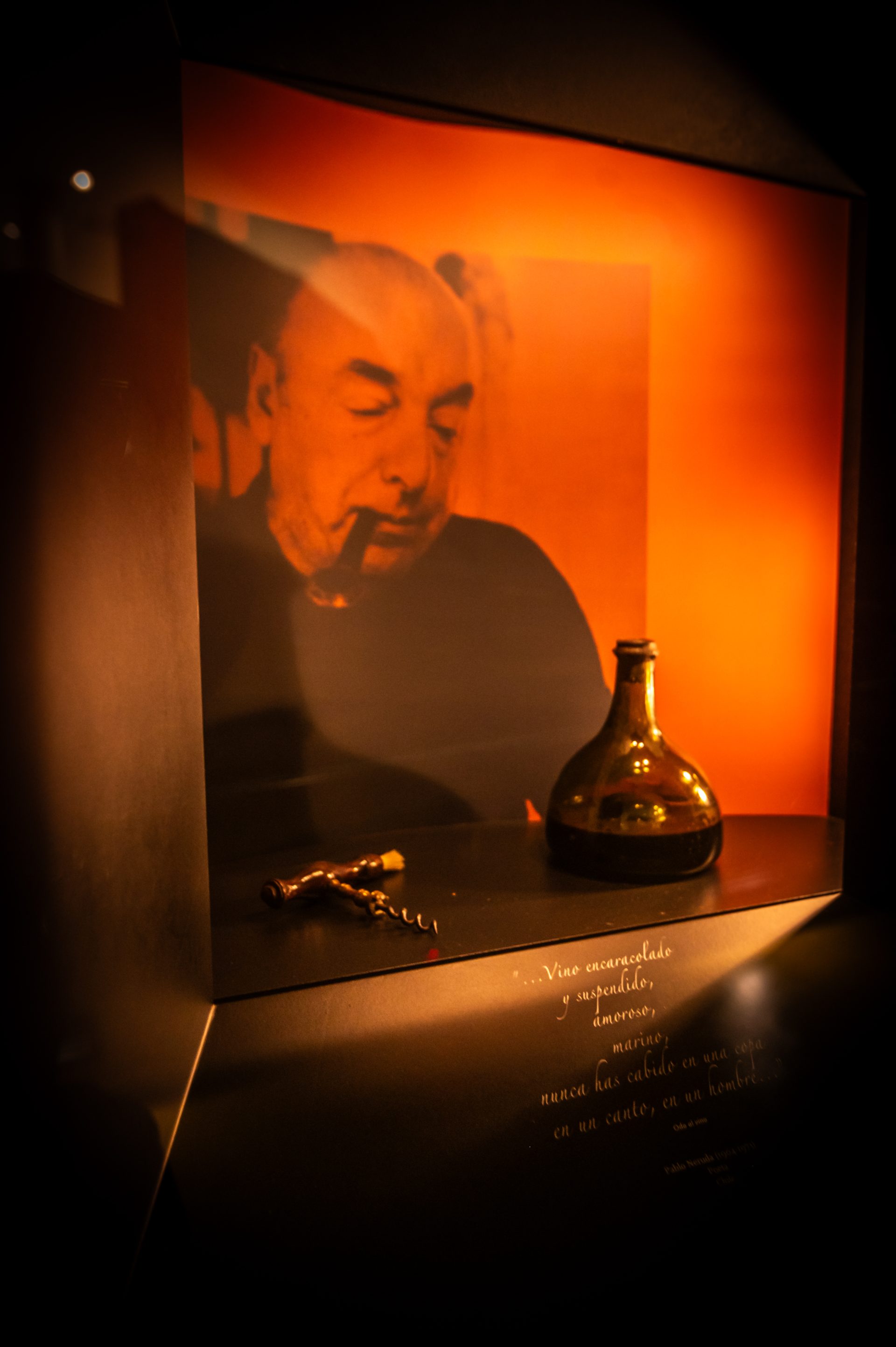
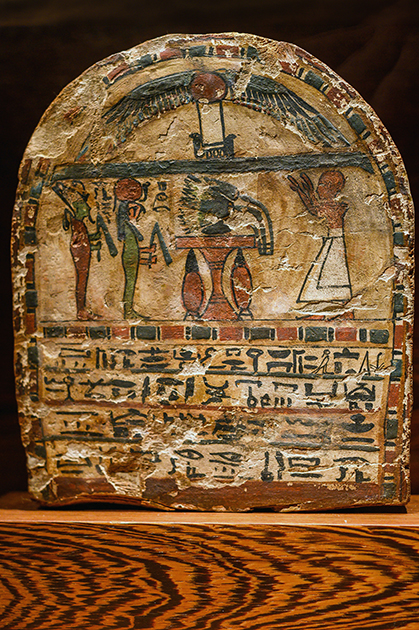
And perhaps, precisely because of that, the next step towards the Vivanco Museum of the Culture of Wine, ...it felt so natural. An icon that is undoubtedly much more than a museum, it is a statement. A tour that at every step connects wine with humanity itself: from ancient amphorae to contemporary art, from ancestral rituals to pieces that portray the current table.
Inaugurated in 2004 after seven years of work, the project is the expression of a vocation that began decades ago, when Pedro Vivanco —a key figure in Rioja wine— began his (almost obsessive) quest to gather objects that would tell the story and culture of wine.
That gaze was continued in their children, Rafael (winemaker at Viña Vivanco) and Santiago (president of the Vivanco Foundation), who have managed to project it from its cellar and foundation, consolidating a space that today houses nearly 5,000 pieces, and which in 2013 alone, already exceeded 100,000 annual visitors, positioning itself as one of the major wine tourism hubs in the region.
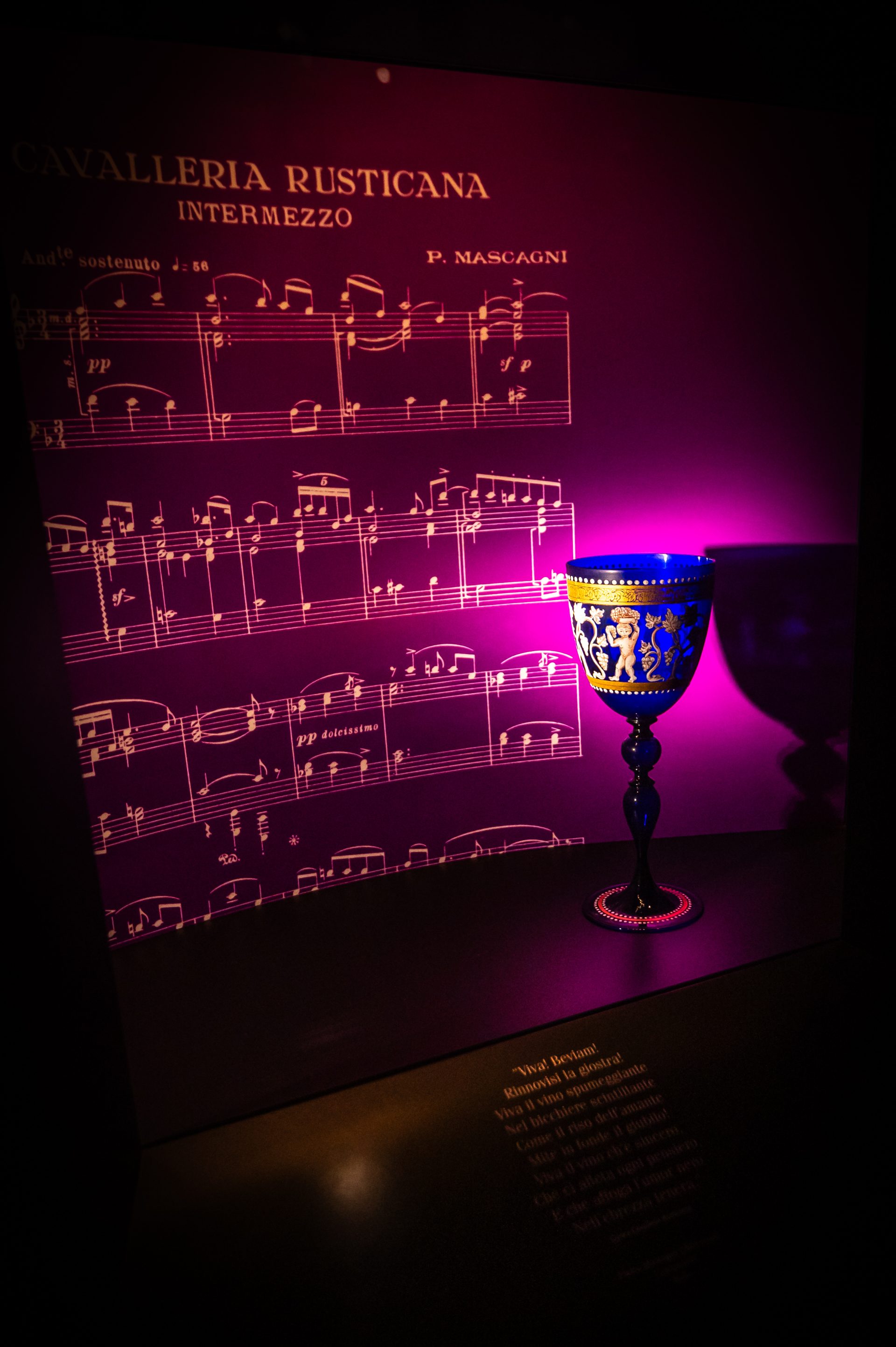
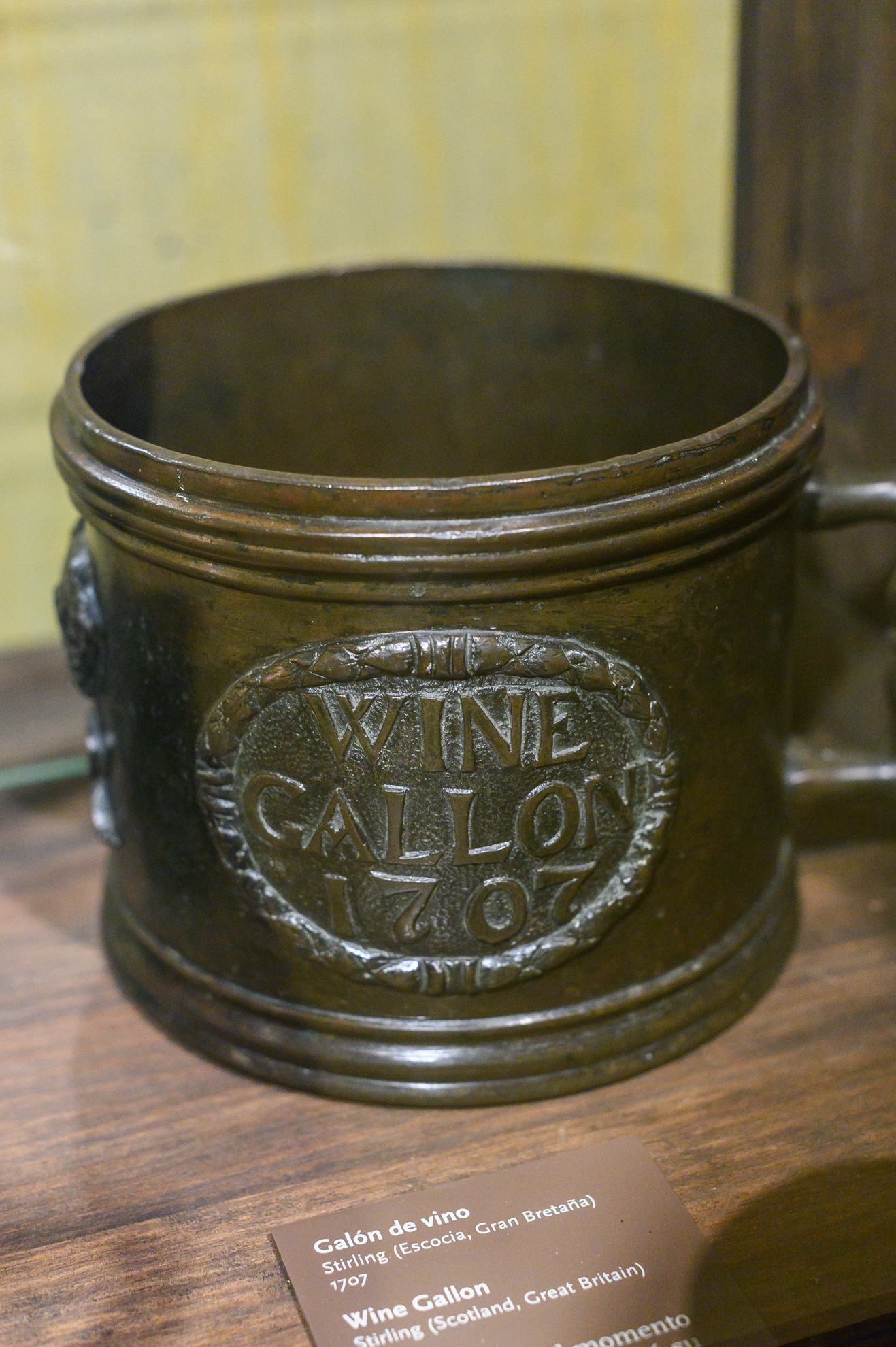
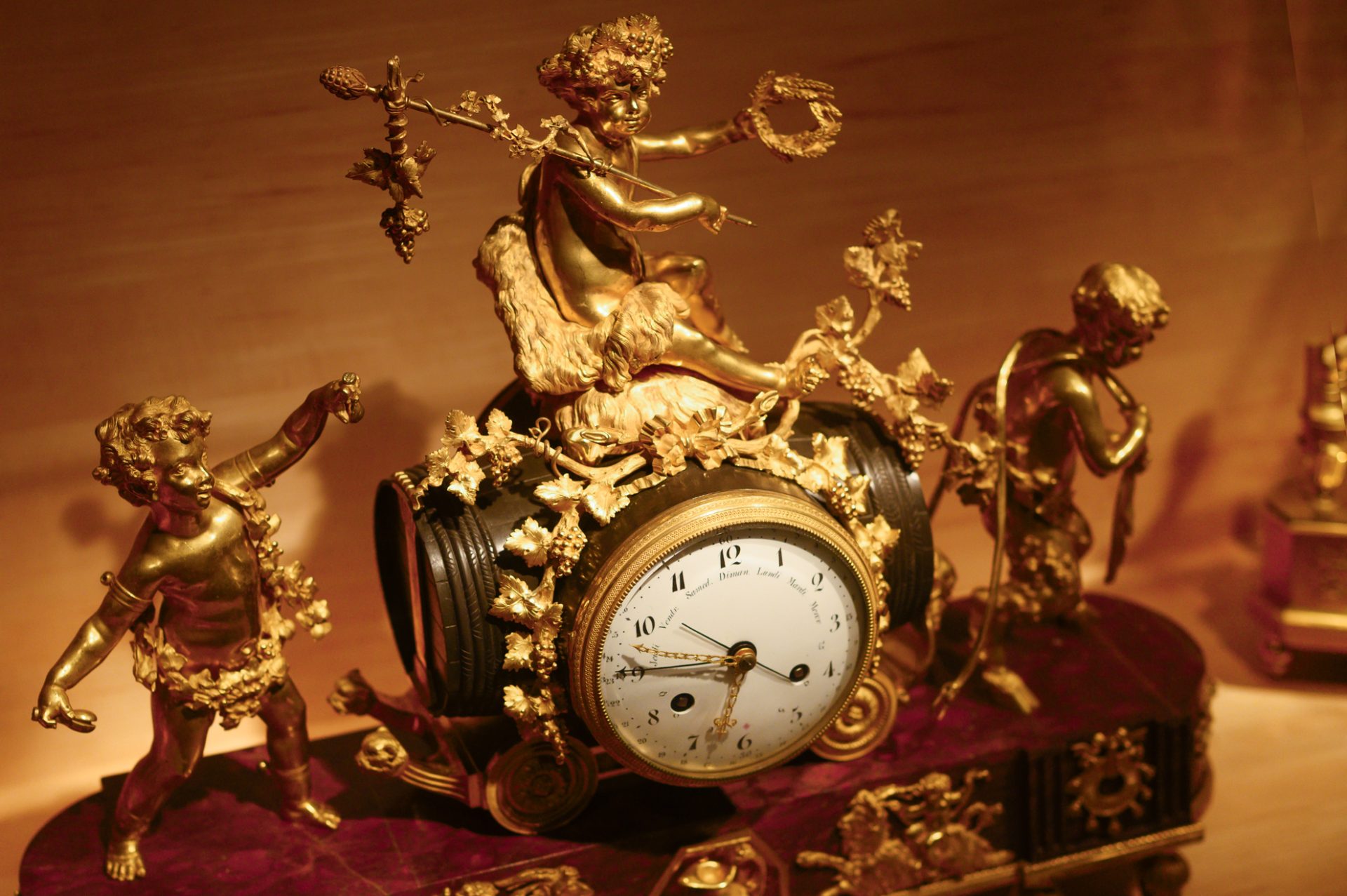
Exploring its rooms is to advance through a narrative that, with unusual naturalness, crosses history, technique and culture. Old presses, corkscrews, archaeological artefacts and works of art coexist with audiovisual resources and interactive installations that explain, for example, the fermentation process or the evolution of materials.
Can you imagine a pavilion dedicated to over 3,000 corkscrews? Incredible! Everything is designed so that each visitor can find their own pace and point of interest. There, wine ceases to be just a product to reveal itself as a story: one that is built from the harvest to the bottle, but also from memory, craft, and creativity. More than a museum, it's an invitation to understand – and feel – everything that lies behind each glass.
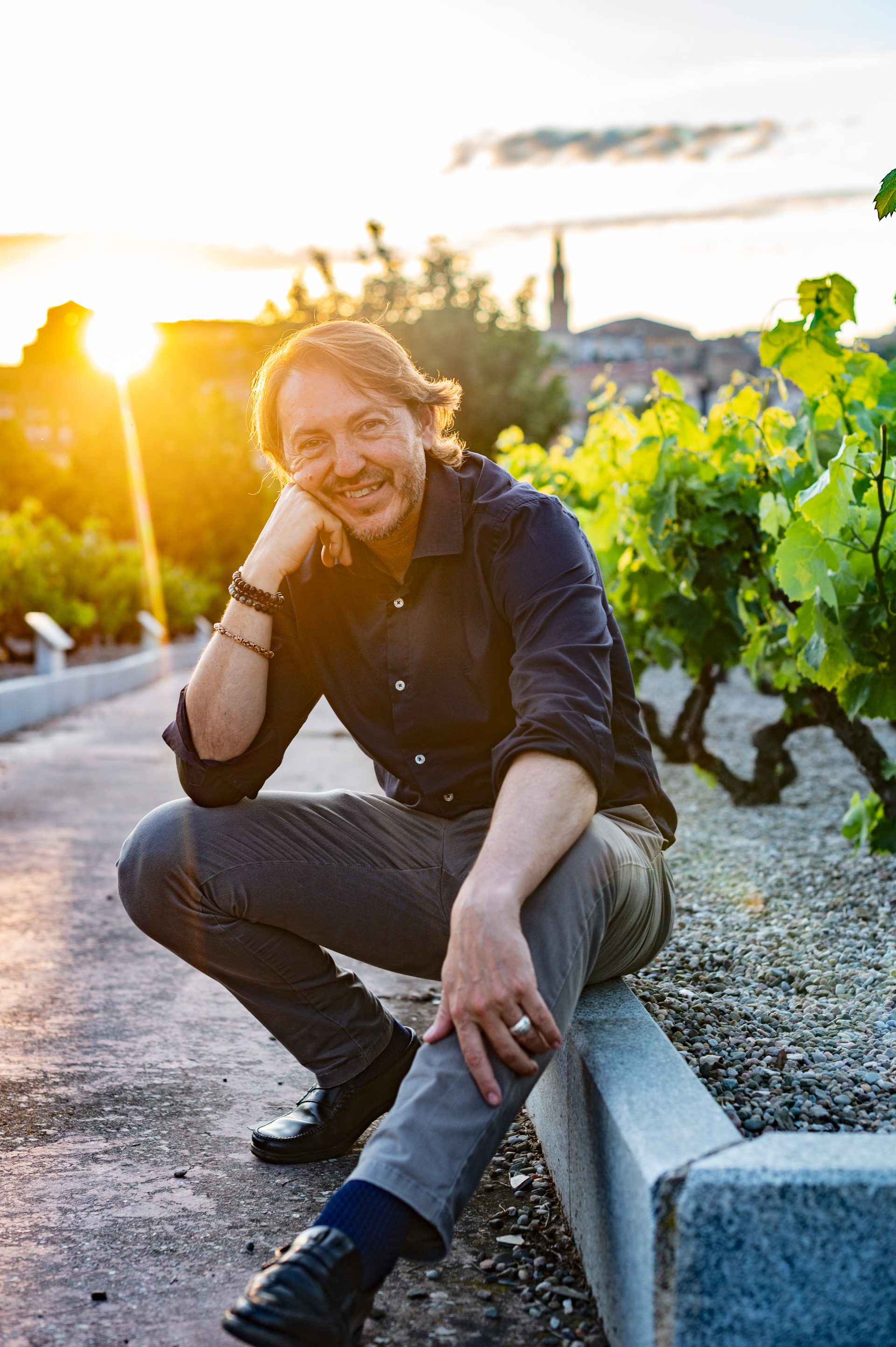
To be received by Santiago Vivanco, and to walk every space accompanied by his first-person account was a true privilege. His broad, very generous, and profoundly cultural perspective confirmed what is perceived at every moment when touring the museum: here, wine is not just a drink; it is heritage. Not static at all, it is memory and a common language. A thousand thanks, dear Santi!
An unlikely encounter... but real!
Between visits, tours and conversations about wine, there was also room for the unexpected. Because in the midst of this journey – marked by history, landscape and wine culture – a scene occurred that was difficult to anticipate, even in a story like this.
Before arriving at our first winery in Haro, and precisely in the context of the celebrations for the centenary of the Qualified Designation of Origin Rioja, we literally encounter S. M. Felipe VI.
The city was especially quiet, with few people about (I imagine for security reasons), but with authorities, press, and visitors of the moment (just like me) congregating around this historic commemoration, led by the monarch.

Amidst that movement, and almost like a suspended scene, there was a brief encounter. I managed to tell him I was coming from Chile, tracing the origins of these wines, and his response was as simple as it was significant: “en Great wines are also made in Chile”.
It was a brief, but very eloquent and emotional moment, especially for those of us who live in societies without monarchies. Not only because it was unexpected, but because, in a way, it condensed something that had already been taking shape throughout the journey: wine as a shared language, capable of connecting territories, histories, and people.
A living legacy
La Rioja is not just a wine tourism destination. It is a living cultural landscape, where past and present converse in every view, in every corner. Where wine does not dominate, but accompanies your stay.
Five days here were enough to understand why this region is one of the most important in the wine world. And also to confirm something more intimate: I've fulfilled one of my dreams, to travel to Europe and see Spain, from where its territory is truly explained.
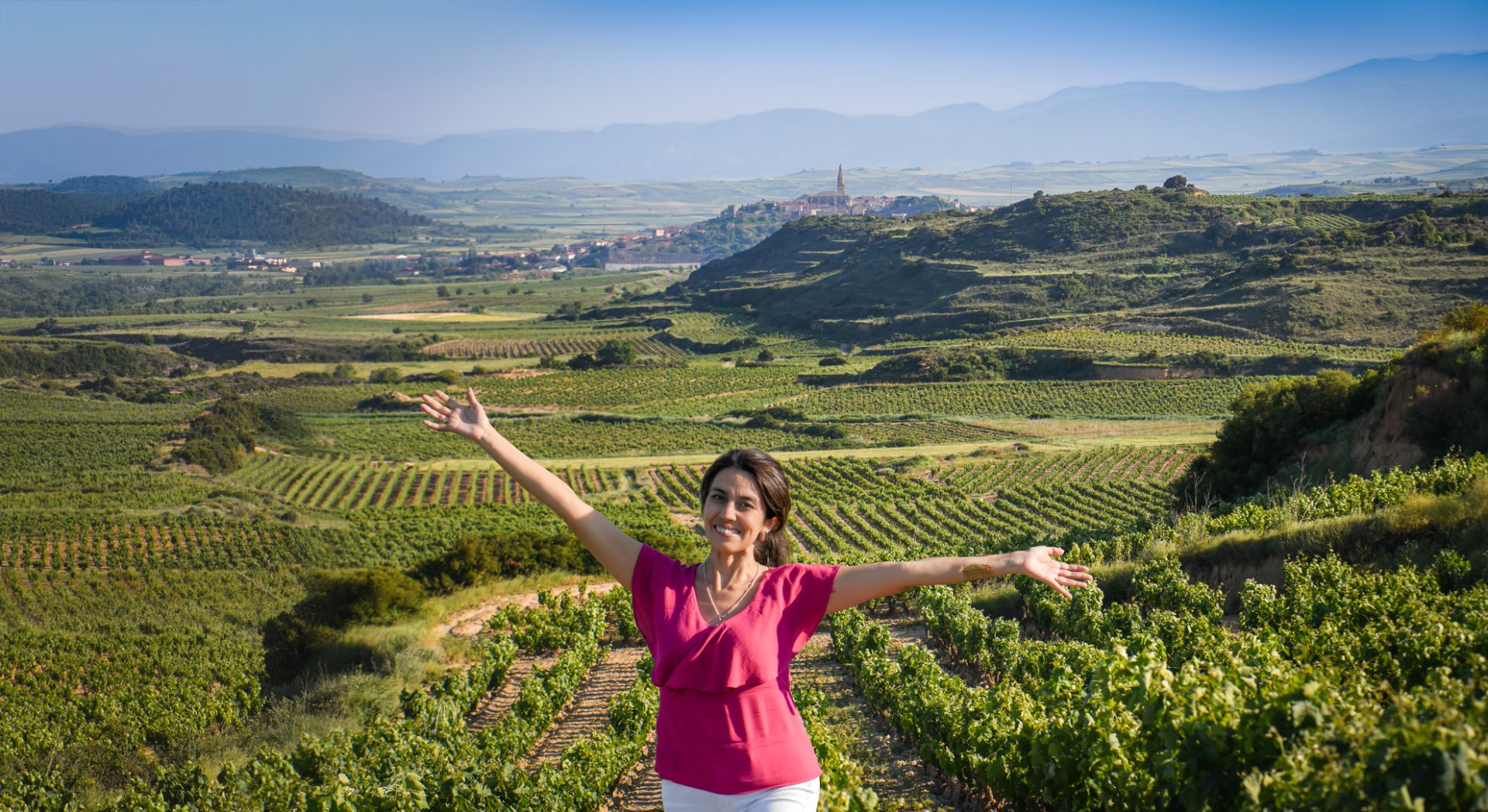
But the journey didn't end there! After La Rioja, we returned to Bilbao and then to Madrid, cities that welcomed us (before and after, respectively) with their own incredible energy, gastronomy, and rhythms.
But that's for the next story... and it deserves its own chapter.
More content at 2026 Harvest from Miguel Torres projects high-quality wines.