 Wines
Wines

 Enotourism


 Gastronomy



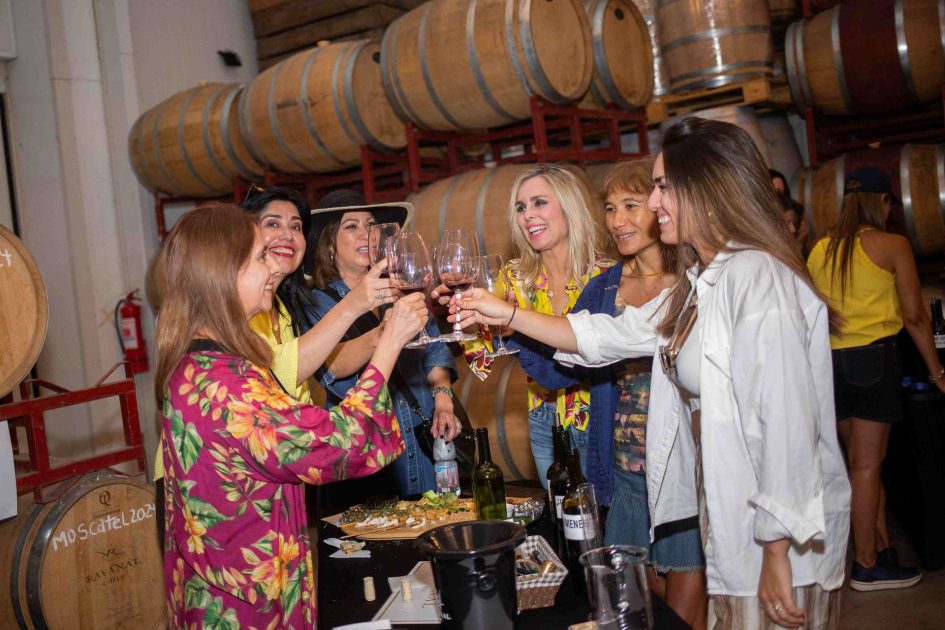
Far from being a period of pause, winter is beginning to transform into an increasingly relevant opportunity for wine tourism in the Colchagua Valley.
With quieter landscapes, gastronomically focused experiences, intimate tastings, and visitors seeking to disconnect, the region's vineyards are anticipating a positive season, despite economic uncertainty and international factors that could influence tourist flows.
The trend responds to a change in traveller behaviour, who no longer just associate vineyards with the harvest or summer. Today, winter is appearing as an attractive alternative for those who favour authentic, personalised experiences connected with the local culture.
What's more, during the winter of 2025, the Undersecretariat of Tourism and Sernatur estimated the mobilisation of between 2.8 and 3.5 million trips with overnight stays within Chile.
“The forecast for this winter in the Colchagua Valley is very positive. Every year we see a growing interest in wine tourism during the colder months, especially from visitors looking for more authentic, relaxed experiences connected with gastronomy and wine,” states Carmen Paz Ravanal, marketing manager at Ravanal Vineyard.
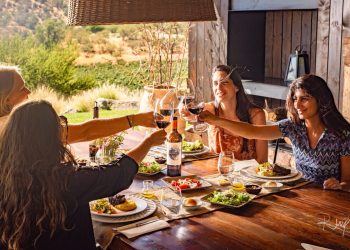
According to the executive, guided experiences and pairing lunches are seeing an increase in bookings this season, from both domestic and international tourists, who value more personal and leisurely attention. Furthermore, Ravanal highlights that winter allows for a rediscovery of the wine experience from a different perspective.
“Visiting the vineyard in winter season is a completely different and very special experience. The atmosphere becomes much more intimate and cosy. Visitors can enjoy the history, the winery's architecture and tastings accompanied by a lit fireplace, seasonal gastronomy and aged red wines at a more leisurely pace,” she maintains.
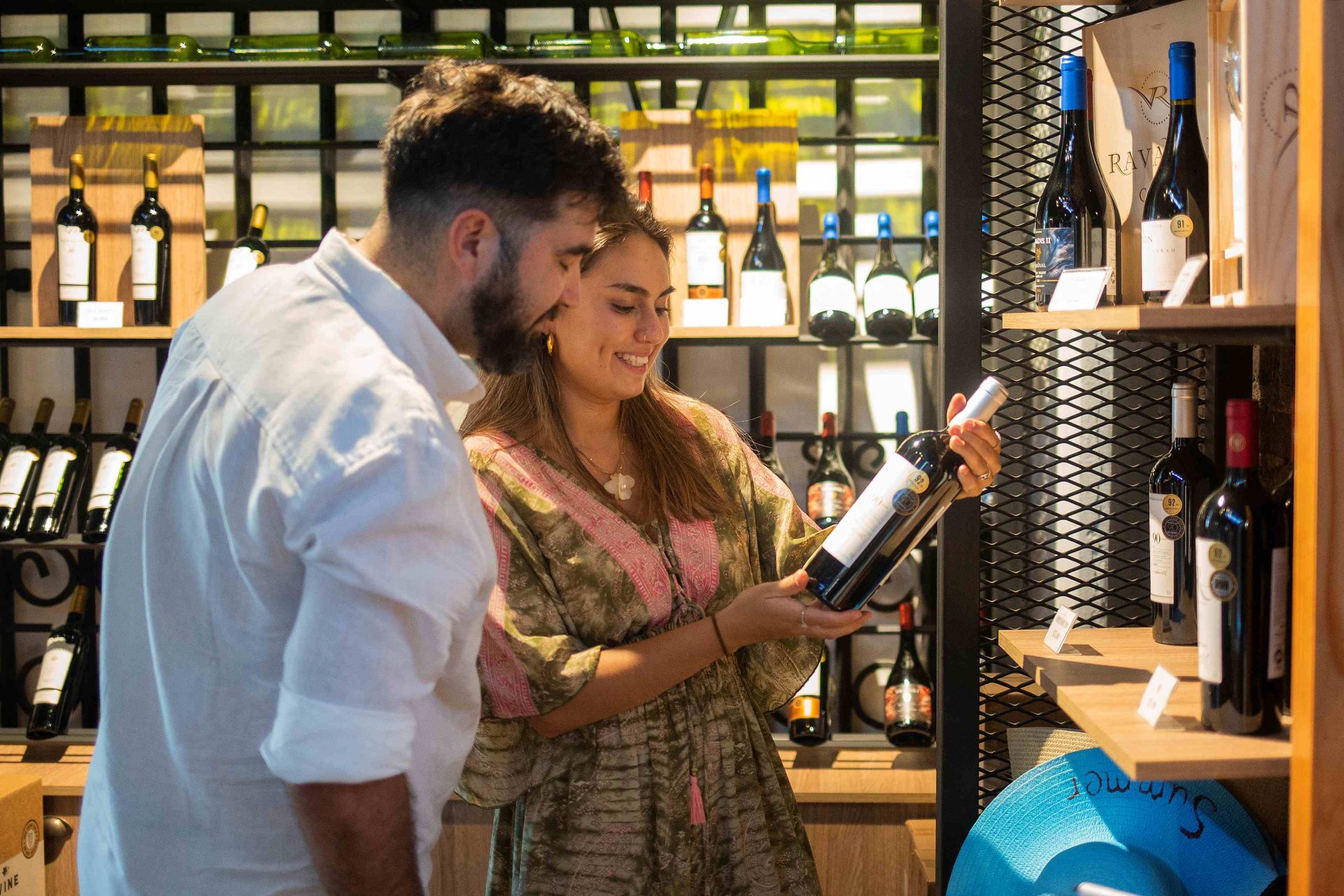
Varied experiences
One of the season's focuses is on attracting different visitor profiles, especially during long weekends and winter holidays, which are considered a challenge for domestic tourism during the low season.
In this context, vineyards have strengthened experiences geared towards specific audiences and foreign tourists who arrive attracted by the combination of snow, gastronomy, and wine.
The phenomenon is also observed by the specialised tourism industry. Alicia Ortiz, general manager of Wine tourism Chile, highlights that during winter there is a sustained increase in foreign tourists, particularly Brazilians (in 2025, 680,000 visitors from Rio de Janeiro entered), initially attracted by the snow and the winter resorts in the central zone of the country.
“Colchagua remains a relevant prospect because it is an established destination with a variety of attractions. The important thing is how to capture some of these flows through alliances with national receptive operators and with innovative proposals and good connectivity,” explains Ortiz.
However, he warns that external factors could affect tourist behaviour this season. “There are elements that need to be permanently monitored, such as the exchange rate, fuel prices, or even international events, which could lead to a contraction in flows,” he adds.
To combat the traditional drop in visitors during winter, vineyards have had to reinvent their strategies, opting for activities Indoor, exclusive experiences and a more sensory offering. In the case of Viña Ravanal, the season includes premium tastings, historical tours, and spaces specially adapted for the cold.
Among the standout experiences are Ravanal Moment, an event that takes place outdoors during the summer and moves to an indoor lounge by a fireplace in winter, where visitors can sample reserve wines accompanied by cheeses and dried fruits.
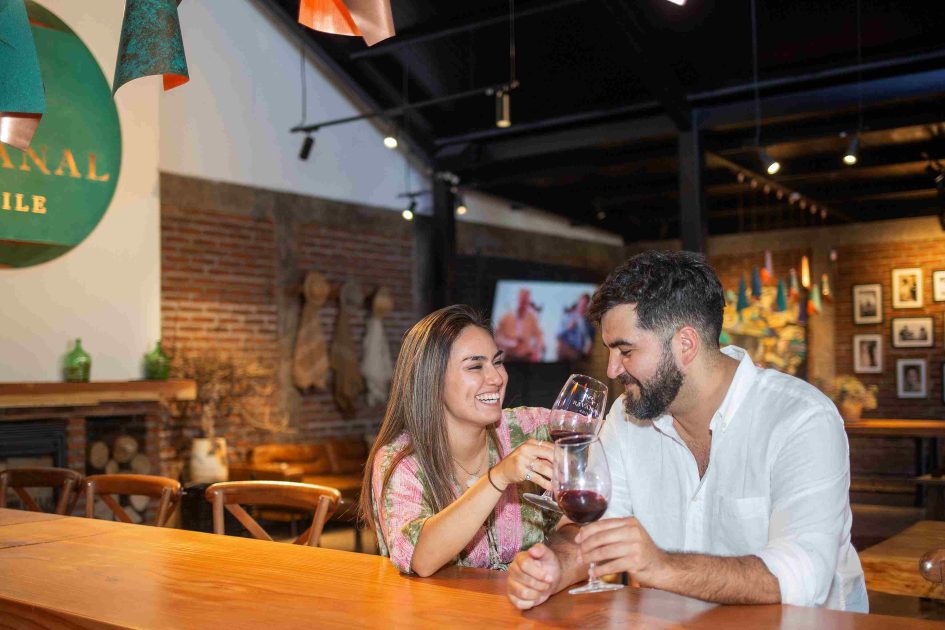
Winter season to enchant
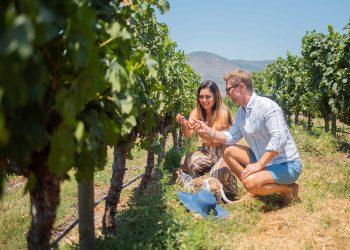
Furthermore, winter allows for the showcasing of a lesser-known facet of wine production: the pruning and preparation of vineyards for the new agricultural cycle, bringing visitors closer to the processes that occur after the harvest.
“Winter mainly attracts visitors looking for disconnection, tranquillity, and deeper, more authentic experiences,” comments Carmen Paz Ravanal. “We also see many couples, small groups, and tourists who prefer to avoid crowds and enjoy wine at a more relaxed pace.”.
From the industry, there is agreement that the challenge is no longer just to attract tourists, but to turn winter into a season with its own identity within the national wine tourism calendar. To achieve this, associativity between vineyards, tour operators, and territories appears to be a key factor.
“Every era has its own charm, and precisely those differences can become real opportunities. In winter, there isn't as much saturation in destinations, attention is personalised, and the scenery truly invites you to relax and enjoy,” concludes Alicia Ortiz.
Casas del Bosque transitions from Gran Reserva to Handcrafted.