 Wines
 Enotourism


 Gastronomy




 Events

Biobío's winemaking industry has just taken a new step in the recognition of its territorial identity. And that is because the Decree No. 4 of the Ministry of Agriculture, published on 14 July 2026, amended Decree No. 464 of 1994 and officially extended the Denominación de Origen Especial (DOE) Secano Interior to seven communes of the Biobío Region: Hualqui, Nacimiento, Los Ángeles, Laja, San Rosendo, Santa Juana and Tom.
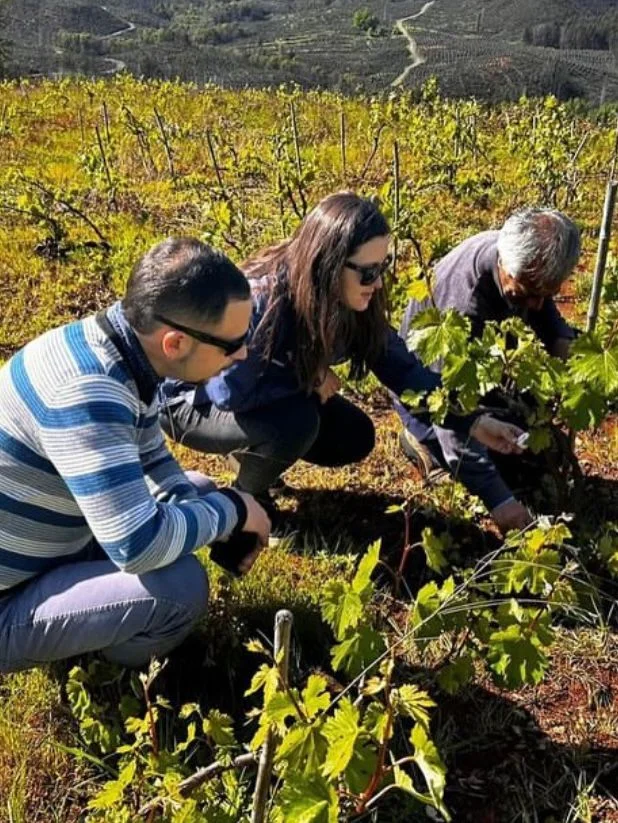
The modification responds to the long-standing winemaking tradition of these territories and to a production linked in particular to small producers and family farming, who have developed quality wines with distinctive characteristics of their own. This is established by the decree itself in justifying the territorial expansion.
A recognition of the origin
The change has a concrete implication for the wines produced in these districts. Producers who meet the established conditions will be able to use the mention on their labels “Secano Interior followed by the name of the corresponding commune.
It is important to point out that this does not mean the creation of seven new independent designations of origin. That is to say, Hualqui, Nacimiento, Los Ángeles, Laja, San Rosendo, Santa Juana and Tomé are moving into the DOE Secano Interior territory. Consequently, the denomination will henceforth be able to incorporate its name as a geographical reference.
The measure thus expands the possibilities for differentiation and commercialisation for producers in these areas, by allowing them to communicate the origin of their wines more precisely and to highlight the unique winemaking expression of each territory. The decree states that the inclusion aims to encourage diversity, innovation, development and competitiveness within this industry.
País and Cinsault: the grape varieties that tell this story
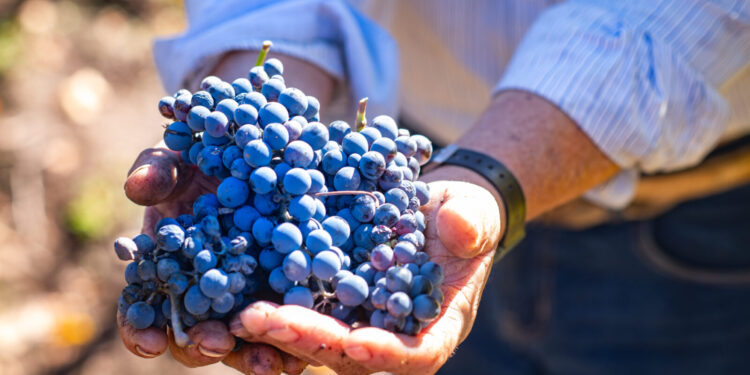
The territorial expansion maintains the conditions of the DO Secano Interior regarding the authorised varieties. The designation may be used for wines made from Pais o Cinsault, originating exclusively from the non-irrigated areas recognised by the regulations.
This is particularly relevant for a region where these varieties are part of a winemaking tradition that has been maintained for generations. Official recognition now means that this link between grape, region and producers can also be expressed on the label.
An opportunity for small producers
Beyond the regulatory amendment, the expansion represents an opportunity to bring visibility to a wine-growing sector that for years has remained outside the main circuits of recognition and commercialisation.
The Ministry of Agriculture itself states that producers in these districts will be able to access the same opportunities for differentiation and marketing as other wines covered by the Secano Interior PDO, strengthening the value of a production linked to local identity.
To use the appellation, the wines must comply with the requirements established in Decree No. 464 and the corresponding certification and control regulations.
The modification comes into effect once the processing of the decree is complete, while the unmodified provisions of Decree No. 464 of 1994 remain in force.
With this addition, the wine map of the Interior Dryland extends into new territories of Biobío and officially recognises a productive history that already existed in its fields.
For its small producers, País and Cinsault, the challenge now will be to transform that recognition of origin into greater visibility, appreciation and opportunities for their wines.