 Wines

 Enotourism


 Gastronomy





 Events



Miguel Torres Chile It continues to advance its sustainability and climate action strategy. The International Wineries for Climate Action (IWCA) Inventory Review Committee approved the greenhouse gas (GHG) inventory for 2025 and ratified the continued status of its Gold Member category.
This is one of the recognition levels established by this international organization, which promotes the decarbonization of the wine industry.
Following this evaluation, IWCA issued a new certificate of Gold member Valid until September 17, 2028. Its continuation is subject to compliance with the requirements established by the organization.
This milestone follows the recognition obtained by Miguel Torres Chile in 2025, when it became the second winery in South America to achieve this category. In this way, it consolidates a trajectory of work aimed at measuring, managing, and reducing the environmental impact of its operations.
The IWCA Gold category includes requirements related to verifying carbon footprint in scopes 1, 2 and 3. It also includes the implementation of emission reduction plans and the use of electricity from renewable sources.
“Maintaining our Gold status with the IWCA is a recognition of the work we have developed over the years, but it is also a responsibility that drives us to continue advancing. For us, sustainability is not just about achieving goals; it is about measuring our progress, constantly reviewing what we do and taking on new challenges. We know that climate change is transforming viticulture and we want to continue being an active part of the solutions, through our work in Chile and in collaboration with other wineries around the world,” says Jaime Valderrama, General Manager of Miguel Torres Chile.
Measurable results: a long-term strategy
Miguel Torres Chile's continued status as a Gold Member is part of a strategy that aims to reduce its greenhouse gas emissions by 50% by 2030 and to move towards carbon neutrality by 2050.
In August of this year, the vineyard announced the results of its most recent external carbon footprint verification audit conducted by LRQA. In it, they demonstrated a 30% reduction in their total emissions and a 22% reduction in their emission intensity compared to the base year of 2018.
According to the report, total emissions from the corporate inventory decreased from 11,263 in 2018 to 7,854 in 2025, while the emission intensity increased from 1.90 to 1.49 kilograms of CO₂ equivalent per produced wine bottle.
These results reflect the importance of maintaining a periodic measurement of the carbon footprint. This is done both in absolute terms and in relation to production volumes, allowing for evaluation of progress and the identification of new opportunities for improvement.
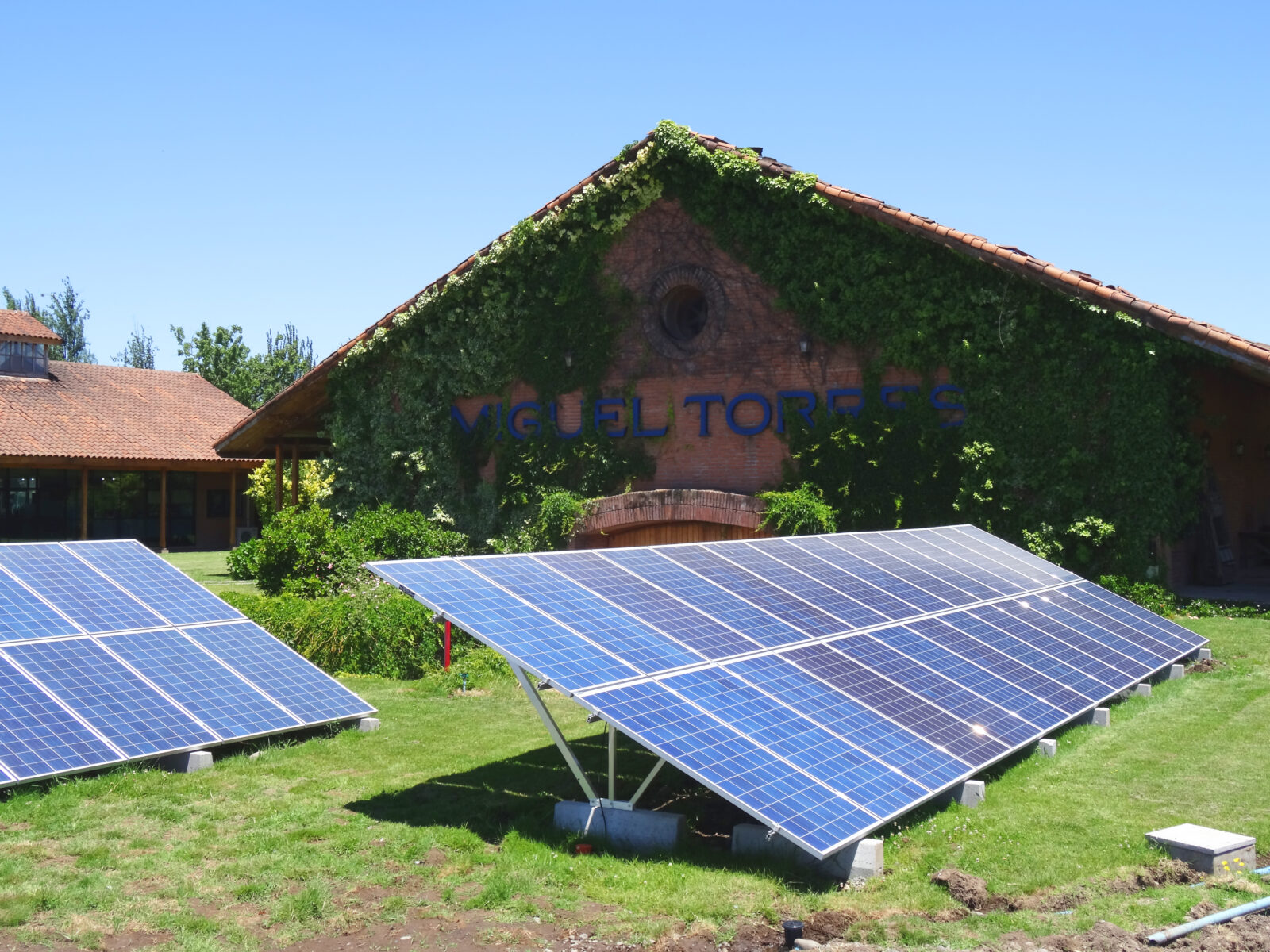
Among the actions developed by Miguel Torres Chile stand out the management of refrigerant consumption and energy efficiency. Also, the incorporation of renewable energy and the replacement of conventional equipment with alternatives with lower consumption.
Furthermore, the company anticipates new challenges related to the renewal of energy systems based on fossil fuels. Likewise, the advancement towards electromobility and a greater integration of strategic suppliers, especially from the glass industry, in the measurement and emission reduction processes.
In this way, the approval of the 2025 GEI inventory by the IWCA adds to a trajectory of work aimed at advancing towards a wine production with lower environmental impact, through measurable commitments and actions sustained over time.
Viticulture with a lower carbon footprint
Miguel Torres Chile's participation in IWCA is also part of an international collaborative effort. All aimed at sharing knowledge, tools, and experiences to accelerate the decarbonization of the wine industry.
In this line, the winery participated, along with other Chilean and Argentine wineries, in the development of the first greenhouse gas calculator. The IWCA initiative was designed for Latin America and presented at the beginning of 2025.
The tool, available free of charge to member and non-member wineries of the organization, facilitates the measurement of emissions across scopes 1, 2 and 3. In doing so, it considers direct operations, energy consumption and other activities within the value chain.
This initiative seeks to contribute to enabling more wine producers in the region to access measurement methodologies. This, along with strengthening their sustainability strategies and advancing towards climate management based on verifiable information.
With the continuation of its Gold category, Miguel Torres Chile maintains its participation in this international effort.
In the winery, they are convinced that facing the challenges of climate change requires long-term commitments. They also believe in collaboration between producers and actions whose results can be measured over time.
About IWCA

International Wineries for Climate Action (IWCA) is an international non-profit organization founded in 2019 by Familia Torres (Spain) and Jackson Family Wines (United States), which brings together wineries committed to reducing greenhouse gas emissions and decarbonizing the wine industry.

Their work promotes carbon footprint measurement, the implementation of reduction plans, and collaboration between producers, with the goal of advancing towards net zero emissions by 2050. IWCA also maintains a connection with the United Nations’ Race to Zero campaign, an international initiative that drives climate action commitments and emission reduction.
ANIAE extends entries for Carmenère to the 2026 World Championships