 Wines
 Enotourism

 Gastronomy




 Events
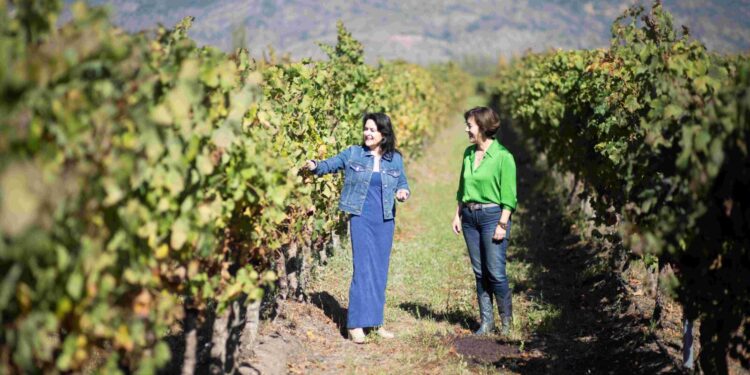
For years, the presence of women in technical roles and leadership spaces within the wine industry was rather exceptional.
Today that scenario is beginning to be left behind. Women have been gaining prominence in vineyards, wineries and work teams, increasingly occupying professional roles and positions from which they also participate in the decisions that shape the direction of the sector.
The change is reflected in the classrooms, in the vineyards, in the wineries and also in the experiences that welcome visitors. Today, women are present practically throughout the entire wine chain and, in many cases, occupying decision-making spaces.
“It has changed enormously,” summarises Pía Ravanal, Exports Director of Ravanal Vineyard. Remember that when her father started in the 1960s, it was rare to find women in a barrel room or leading a harvest team.
“Currently, oenology universities have a female presence close to parity and in their own vineyard there are women in charge of the vineyard, laboratory and exports,” she says.
And she adds: “I grew up literally among vineyards and barrels. The courtyard of my parents” house was the vineyard, and although at first I wanted to distance myself because I grew up watching the long working hours put in by my winemaker father, life led me to become an Agricultural Engineer and then a Winemaker. Today it is my life and my passion.”.
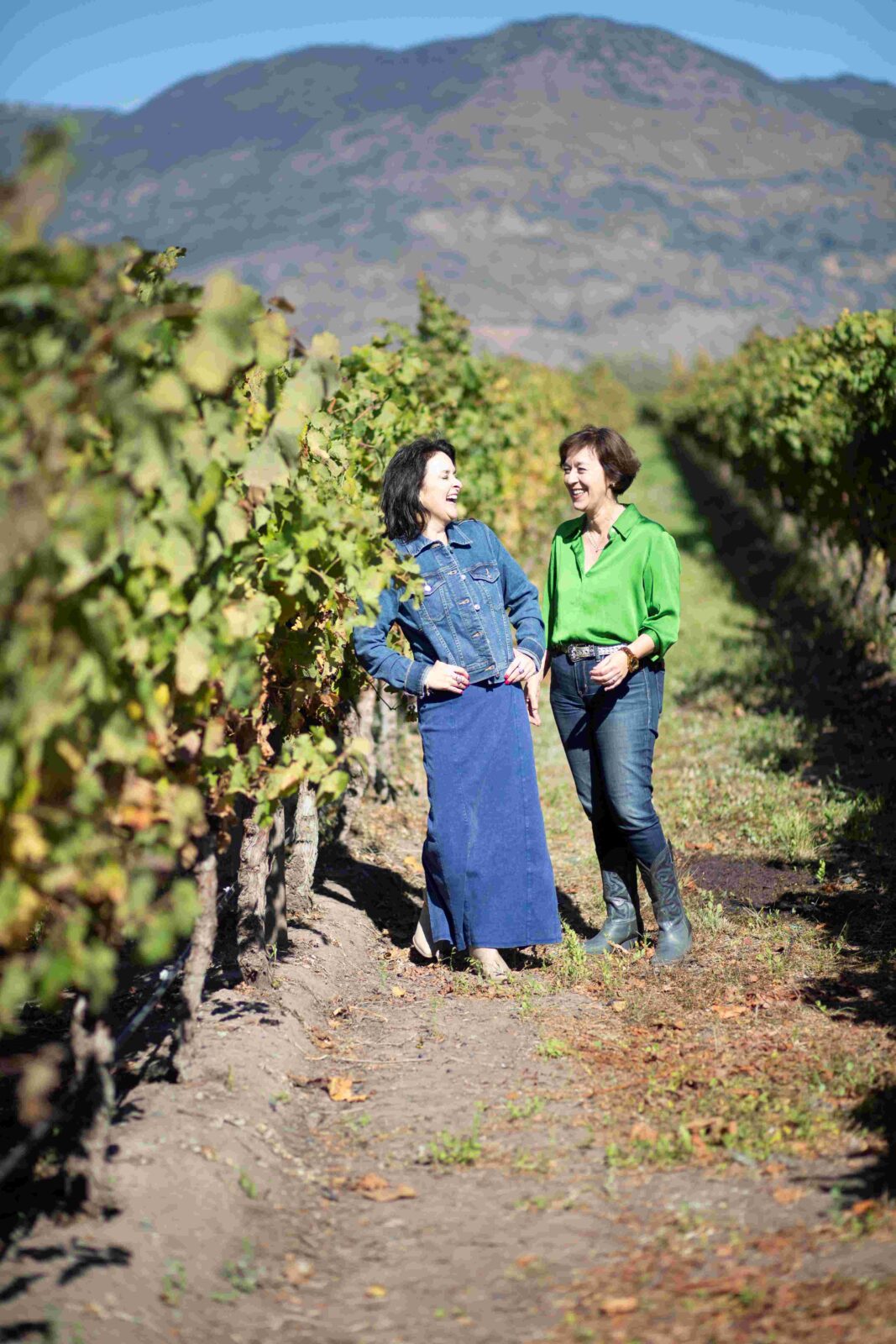
An industry that opened new doors
Access to education, generational change in family vineyards and the internationalisation of the business appear as some of the main factors behind this transformation.
The daughters began to take on roles that were previously reserved for men, and new areas such as exports, marketing and wine tourism broadened the opportunities.
For María Ignacia Eyzaguirre, winemaker, executive director of Viña Encierra and president of Colchagua Vineyards, more than 40% of the new winemakers currently in training are women.
Today they also hold positions as head winemakers, partners and winery owners. “In recent years, the female presence in the wine sector has changed remarkably, both in number and in the types of roles we occupy,” she states.
Meanwhile, Cristina Álvarez, chairwoman of the Association of Women Winemakers Chile – MUV Chile, highlights another factor: example. A woman who leads a vineyard is a winemaker, sommelier or develops a wine tourism project, expanding the possibilities for those who come after.
In the MUV Chile survey, 75% of the participants expressed an interest in continuing their training in order to gain access to new opportunities.
The data also show that 32% of those surveyed have felt marginalised, discriminated against or belittled at work, whilst 39.9% say they have experienced pay disparities because they are women. Gaps also persist in senior leadership roles.
However, Álvarez argues that the challenge should not be understood as a competition between men and women. It should be understood as the need for opportunities to be open and for talent to determine success.
Wine tourism is also changing
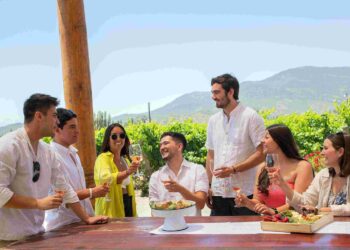
One of the areas where this transformation is most clearly seen is wine tourism. The traditional winery visit and tasting is giving way to experiences that incorporate gastronomy, nature, wellness and participation.
“It's no longer just about showing barrels and telling the winery's story, but about creating a genuine connection with whoever visits us,” explains Pía Ravanal.
Transformation also occurs in communication. Cristina Álvarez came into the wine world from journalism, seeking to tell the stories of her region. Her training as a sommelier allowed her to combine wine knowledge with the communication of her heritage, landscapes and characters.
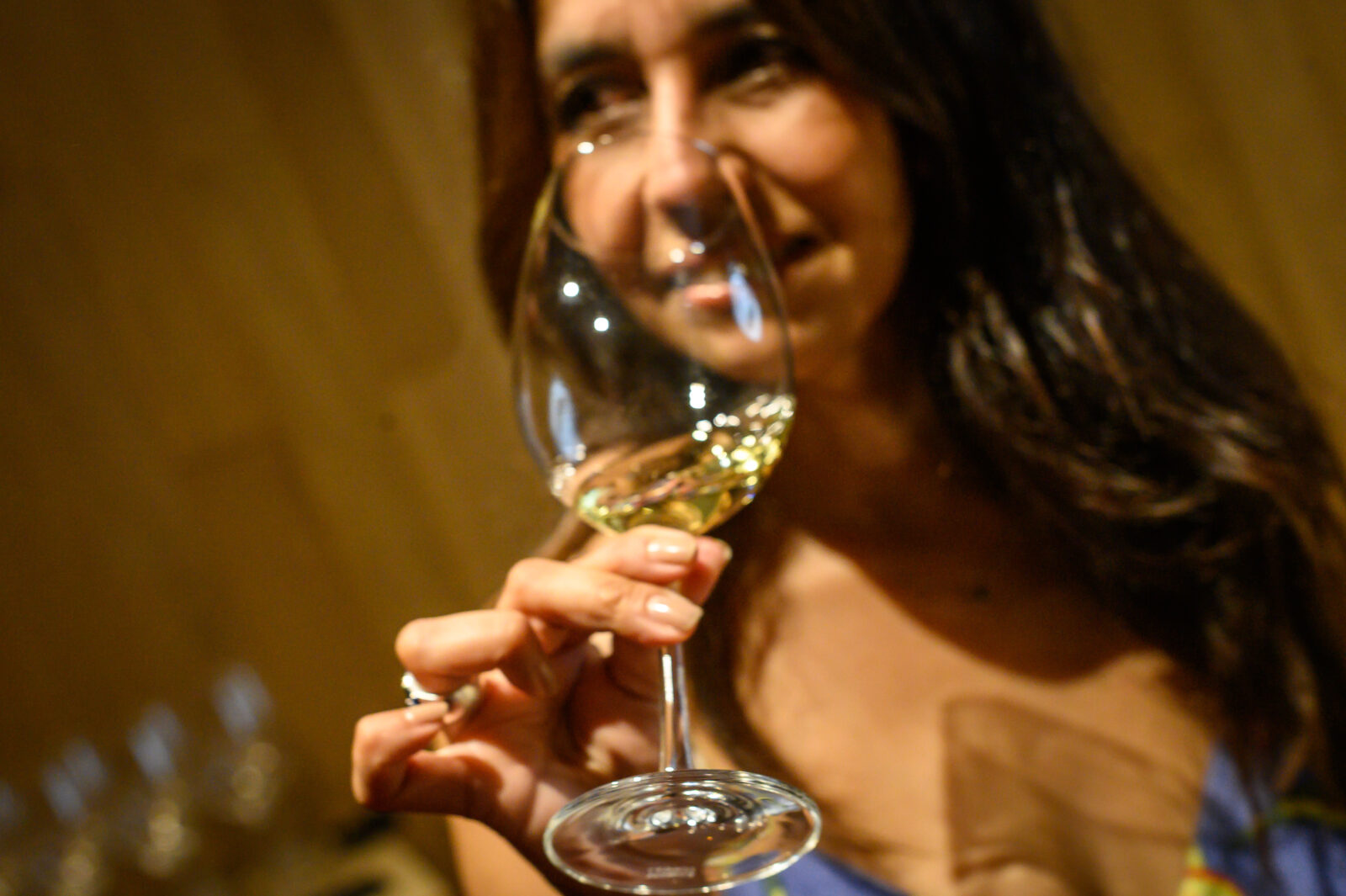
Eyzaguirre, for his part, points out that women have also helped to introduce wine to new audiences, making it “more approachable and less intimidating. The change can be seen today in the vineyards, restaurants and in the new ways of consuming and communicating wine,” he says.
Entrepreneurship is also gaining ground: 34% of the participants in the MUV Chile study are entrepreneurs or business owners, and 43% envisage running their own business. Furthermore, 87% consider collaboration amongst women to be necessary.
Sustainability and connection
Eyzaguirre adds sustainability as another axis of transformation, with projects that focus on “the responsible use of water, care for the land, communities and new agricultural practices”, he points out.
The three interviewees agree, from their different experiences, on one idea: connecting. Ravanal does so between family tradition and new markets; Álvarez, between wine, people, and territories; and Eyzaguirre, between large-scale industry and the small producers of Colchagua.
The change, therefore, does not consist solely in there being more women working in wine. They are also helping to redefine the industry, from production and leadership to the way of communicating, exporting and living the wine tourism experience.
Gaps remain, especially at the highest levels of decision-making. But women are already protagonists in an industry that is beginning to have a different face and which, in its new generations, is also changing the way Chilean wine is understood.
Biobío extends DOE Dry Interior and incorporates seven communes.