 Wines
 Enotourism
 Gastronomy



 Events

Fifteen years after starting to build a collective identity around the Carignan, VIGNO It faces a new stage.
The international recognition achieved by its wines opens up opportunities, but also raises a fundamental question: how can that prestige be translated into better conditions for those who have kept the ancient vineyards of Maule alive?
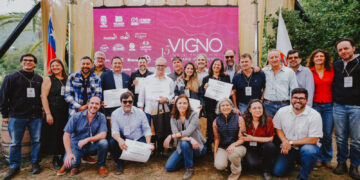
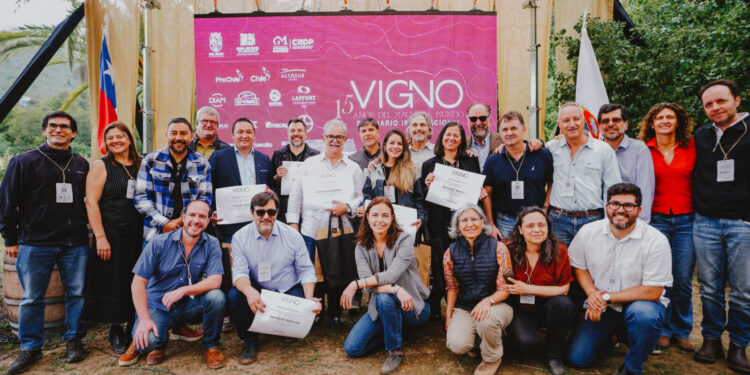
That was one of the main topics left by the International Seminar on Carignan “VIGNO 15 Years: From the Maule Valley to the World”, The event was held in Viña Gillmore, in San Javier de Loncomilla. It was part of a commemoration that brought together producers, oenologists, researchers, and international experts.
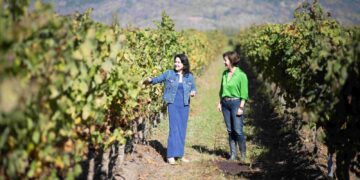
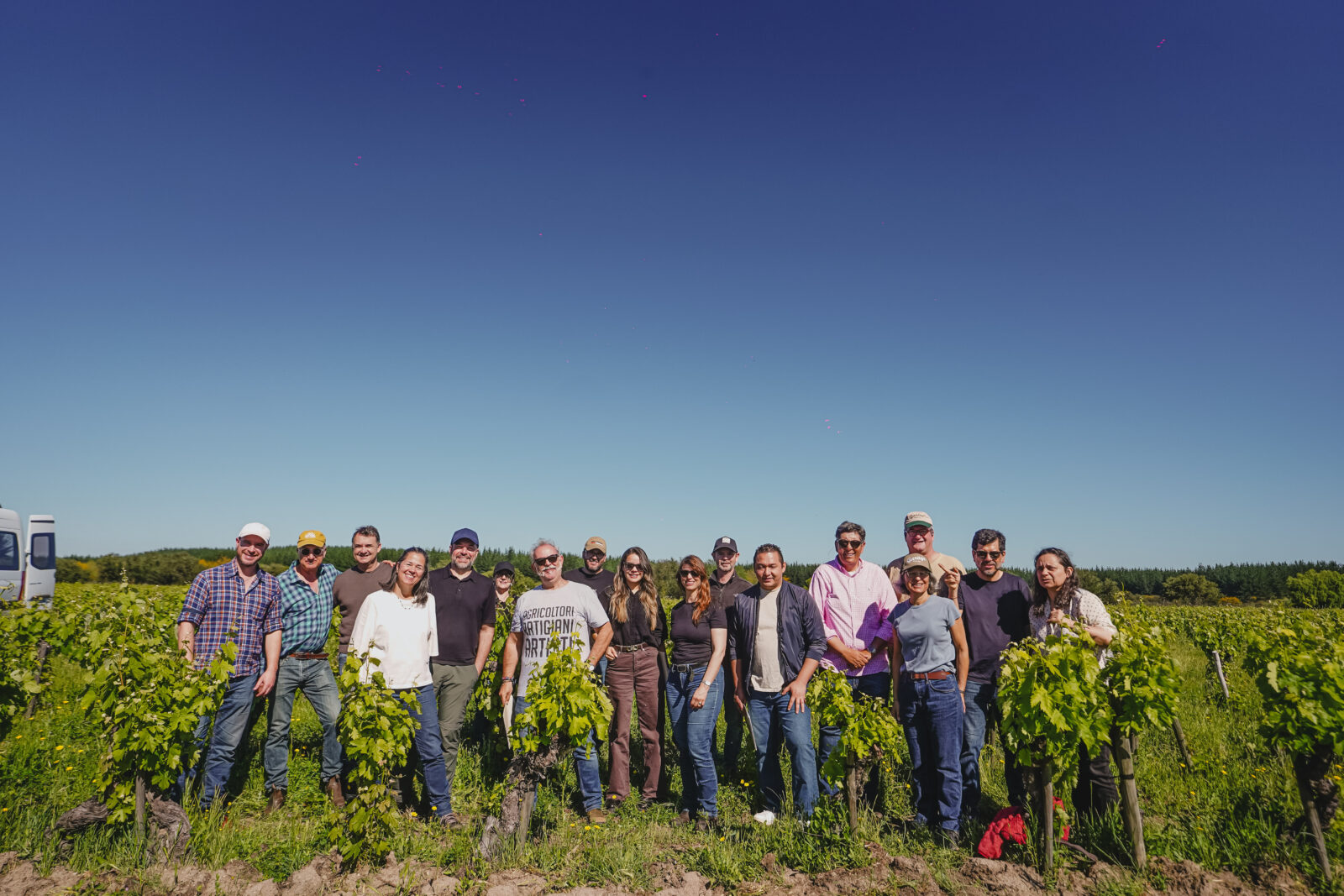
Over three days, six international guests linked to the markets of the United States, Spain, Brazil, Mexico and Peru toured ancient vineyards in the Maulin plain. In addition, they met their producers and deepened their understanding of a heritage that goes far beyond the production of wine.
The origin as one of the great fortresses
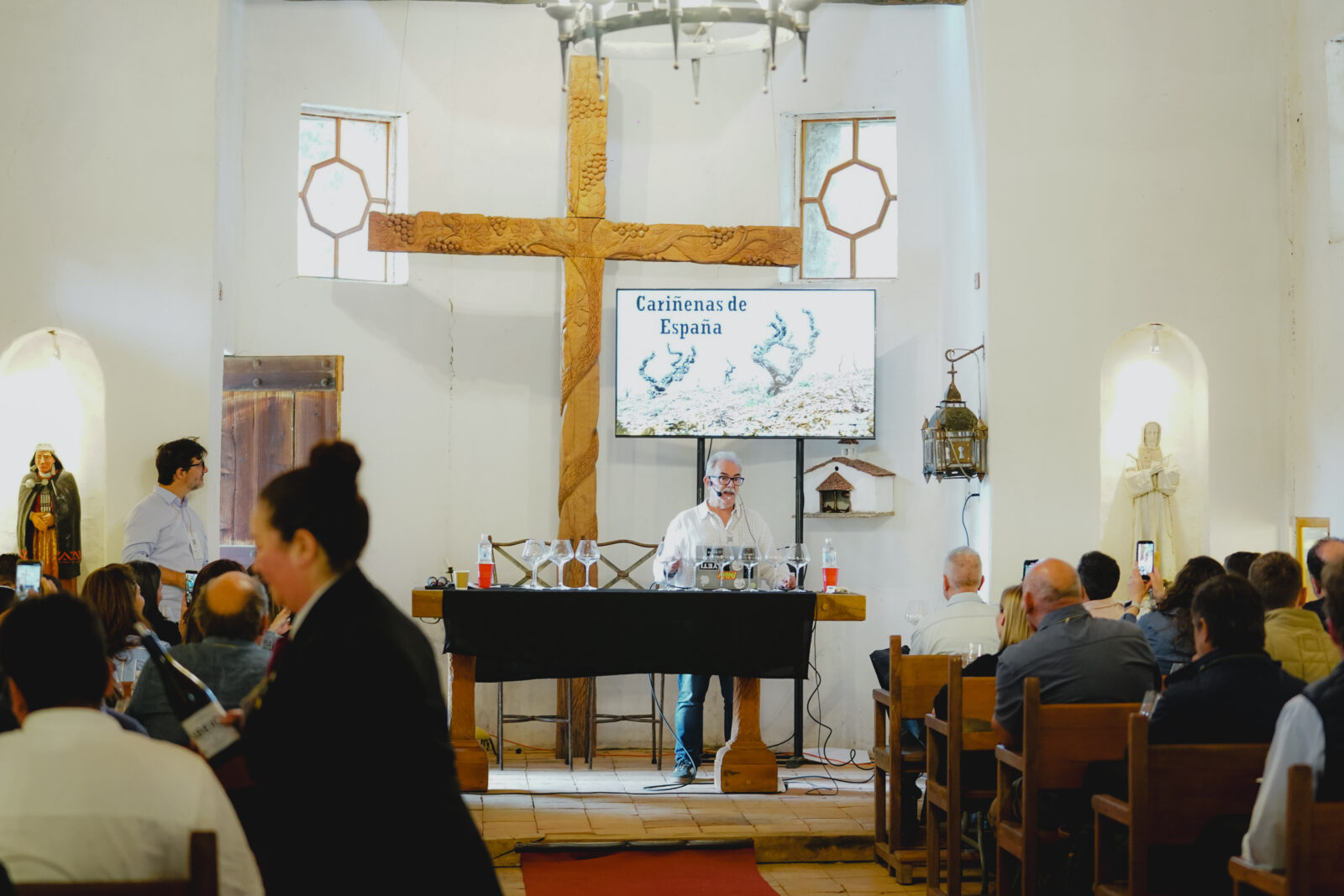
One of the protagonists of the meeting was Luis Gutiérrez, a renowned Spanish wine critic who recently ended his tenure at The Wine Advocate after more than thirteen years. He has also just announced a new professional challenge as the R&D director of Vila Viniteca.
During his presentation, he discussed the history and recovery of the Carignan in different wine-producing regions of the world, highlighting the positioning achieved by the Maule region.
Among the background information he shared, one figure caught his attention in particular: of the 255 Carignan wines evaluated with 94 points or more in the The Wine Advocate, 88 corresponded to Chile and 82 came from the Maule region.
The numbers reflect the visibility that this territory has achieved among wines highlighted by international critics. However, they do not constitute a comparative ranking of regions in themselves.
But the recognition is not solely explained by the quality of the wines. It also stems from the associative work that allowed the creation of a common identity based on the origins, the ancient vineyards and certain production conditions.
In this vein, Pilar Miranda, an oenologist associated with the early years of VIGNO, recalled the collective process that shaped the association. Meanwhile, oenologist Ana María Cumsille highlighted the need to consistently communicate that value, from the production process to the sales teams.
Science also has a lot to say
Another of the relevant topics was the knowledge of the territory from a scientific perspective.
Academic Yerko Moreno from the University of Talca presented the results of research carried out since 2014. These included 24 study sites, 96 calicatas, meteorological sensors, and the characterization of various viticultural conditions in the maulino dryland.
These results have allowed a better understanding of how different aspects influence each other. Among these, soil depth and its ability to retain water play a role in plant development, as do the characteristics of the grapes.
This information opens up possibilities for further identifying sub-zones. It also explains the differences between vineyards and advances towards a more accurate characterization of the wines of the territory.
It also provides new arguments for protecting the old vineyards, whose value lies not only in their production but also in the agricultural knowledge, history, and landscape they represent.
From the Maule to the world: how to conquer new markets?
The international perspective had a prominent place during the meeting.
Joaquín Hidalgo, a renowned wine critic from Vinous, also participated; Suzana Barelli and Eduardo Milan from Brazil; Joanna Vallejo from Mexico; and Joseph Ruiz from Peru.
The exchange allowed identifying opportunities to strengthen the presence of VIGNO wines in international markets, especially through more specialized promotion.
Among the proposals were comparative tastings, the training of sommeliers and wine professionals, and a greater connection with specialized importers. Furthermore, a communication that highlights both the territory and the people behind each bottle.
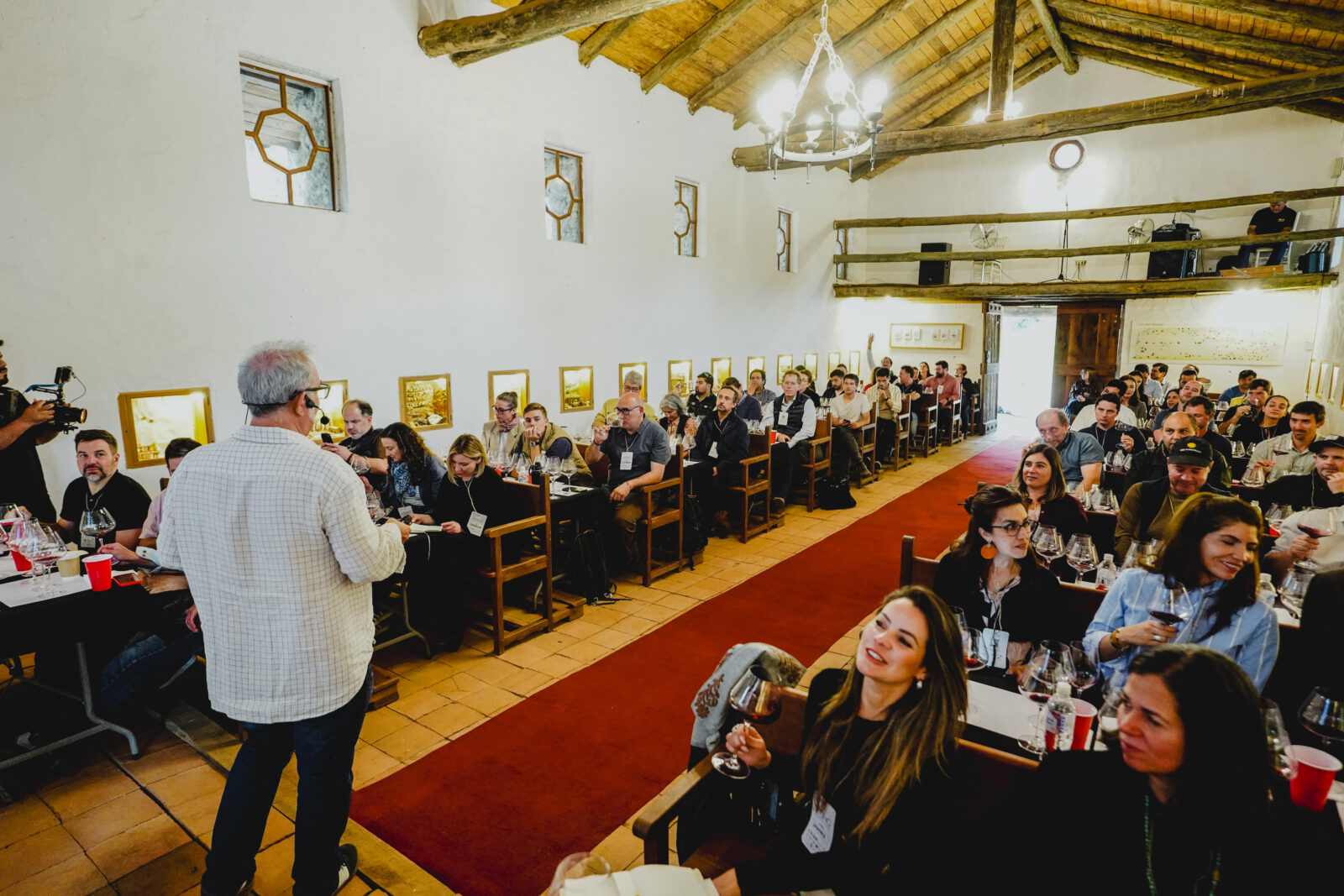
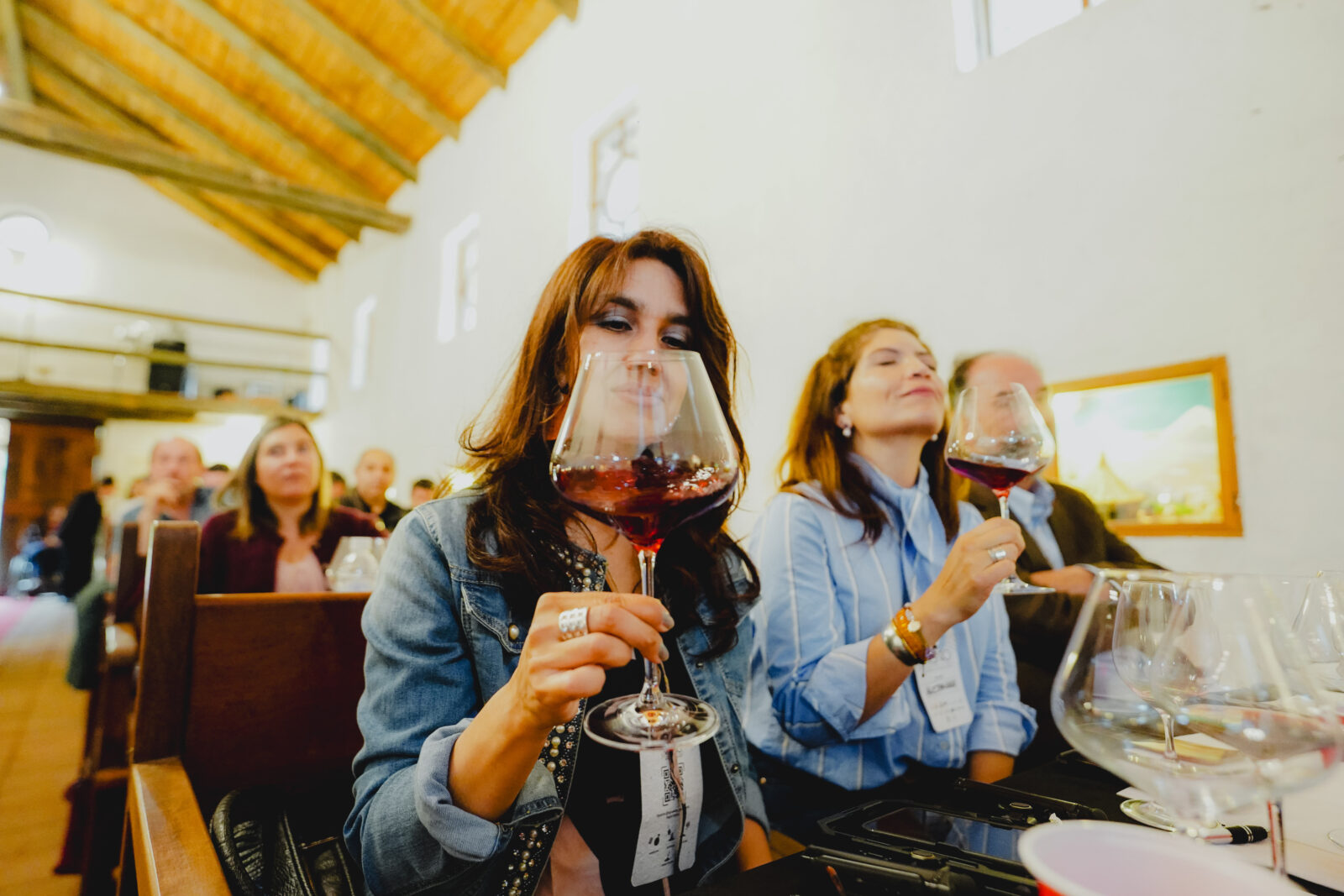
One of the highlights was the masterclass led by Luis Gutiérrez and Joaquín Hidalgo. Both led a comparative tasting of five Spanish wines and six VIGNO wines.
The experience allowed us to explore different expressions of Carignan and understand how the origin, cultivation conditions and the production decisions are reflected in the cup.
Field visits also highlighted the potential of specialized wine tourism, especially when it allows wine to be connected to the history of producers, gastronomy, culture, and the local communities.
The great challenge: that recognition reaches the producers
The Maule plays a fundamental role in the conservation of Chilean Carignan.
According to records from the Agricultural and Livestock Service (SAG) wine registry, which were released during the commemoration, in 2025 the region recorded approximately 730 hectares of Carignan, equivalent to 84.3% of the national area of this variety.
However, preserving that heritage also involves facing economic challenges.
The valorization of the grapes, greater profitability for old vineyards and the generation of incentives that allow them to remain productive appear as fundamental aspects to ensure their continuity.
In this scenario, VIGNO’s work takes on a dimension that goes beyond commercial promotion: contributing to the recognition of Carignan becoming development for the rural communities that have preserved this heritage for generations.
Fifteen years after its creation, the association is embarking on a new phase marked by the research of its sub-areas, the consolidation of international markets, and greater collaboration between vineyards, producers, universities, and institutions.
Because the future of Carignan del Maule depends not only on continuing to produce great wines, but also on ensuring that the old vineyards, their producers, and the territory that gives them their origin can continue to be part of that history.
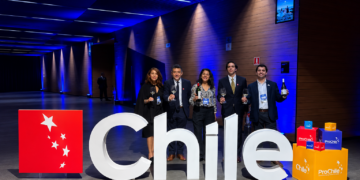
The event was supported by ProChile, Marca Chile, the Municipality of San Javier, the Maule Government, and the Regional Corporation for Productive Development of Maule, as well as collaborating companies and institutions.
Flowers among the straw bales: much more than just a landscape.