De Chile al Paladar | Wine News & Trends in Chile
No results
See all results
  • Wines
    • Wines
    • News
    • Features
    • Sustainability
    • Most read
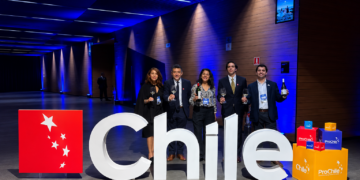
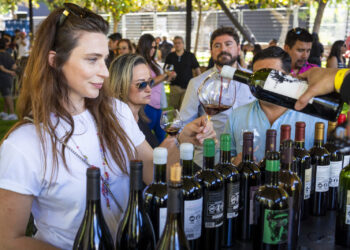
    Chile Wine Fest 2026 seeks to consolidate itself as a meeting place centered on the culture of wine, bring the wine industry closer to new audiences, and promote moderate consumption. Photo provided.
    News

    Chile Wine Fest 2026 returns with more than 40 wineries, gastronomy, and live music

    Miguel Torres Chile maintains its Gold category in the IWCA after the approval of the 2025 emission inventory. Photo: Courtesy.
    News

    Miguel Torres Chile maintains its Gold category from IWCA

    Carmenère al Mundo is the only international wine competition focused exclusively on the emblematic variety of Chile. Photo: Ruta del Vino Curicó.
    Wines

    ANIAE extends entries for Carmenère to the 2026 World Championships

  • Enotourism
    • Enotourism
    • Experiences
    • Wine Routes
    “The Secret of the Flowers” invites you to discover the role that flowers play among the rows of vines and to end the day with a tasting of Ravanal wines in Colchagua. Photo: Courtesy.
    Enotourism

    Flowers among the straw bales: much more than just a landscape

    Casas del Bosque is strengthening its international strategy as a way to transform every visit into a memorable experience in the Casablanca Valley. Photo: Supplied.
    Enotourism

    Casas del Bosque reinforces positioning in Brazil with wines and wine tourism

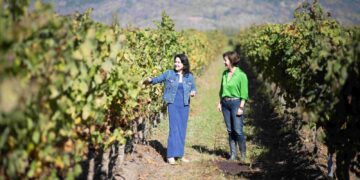
    Women are protagonists in an industry that is starting to have a different face and is also changing the way Chilean wine is understood. Photo: Viña Ravanal.
    Enotourism

    The new face of Chilean wine: women transforming the industry

  • Gastronomy
    • Gastronomy
    • Restaurants
    • Food pairings
    • Spirits
    • Gastronomic Tourism
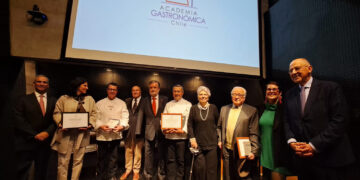
    The Gastronomic Academy of Chile awarded three awards in the categories of Contribution to Chilean Gastronomic Culture, Personal Achievement and Contribution, and Research, Education and Promotion of Gastronomy. Photo: Courtesy.
    Gastronomy

    The Gastronomic Academy of Chile honors three national culinary icons

    Encuentro Quesos opens registration for the Level 1 CheeseMonger Training Programme, which is coming to Chile for the first time.
    Experiences

    CheeseMonger Programme: international certification arrives in Chile

    Mitjans launches its Pistachio Liqueur in Chile, reinforcing its leadership in the sweet liqueurs category. Photo: Supplied.
    Spirits

    Mitjans innovates in flavours and launches its Pistachio Liqueur

  • In-depth
    • In-depth
    Aires de Menetúe: eight years of trials, climatic challenges and decisions made on the fly have shaped one of southern winemaking's most unique projects. Photo: Nick Charlesworth.
    In-depth

    Aires de Menetúe: making wine where there was none before

    Producers from Hualqui, Nacimiento, Los Ángeles, Laja, San Rosendo, Santa Juana and Tomé will be able to identify their wines under the Secano Interior PDO. Photo: Nick Charlesworth.
    In-depth

    Biobío extends DOE Dry Interior and incorporates seven communes

    A Liv-ex report, the London fine wine exchange, published in mid-July, shows the sector's main indices indicating a stabilisation during the first half of 2026. Photo: Nick Charlesworth.
    In-depth

    Why the Fine Wine Market Stopped Falling in 2026

  • Events
  • Log in
De Chile al Paladar | Wine News & Trends in Chile
  • Wines
    • Wines
    • News
    • Features
    • Sustainability
    • Most read
    Chile Wine Fest 2026 seeks to consolidate itself as a meeting place centered on the culture of wine, bring the wine industry closer to new audiences, and promote moderate consumption. Photo provided.
    News

    Chile Wine Fest 2026 returns with more than 40 wineries, gastronomy, and live music

    Miguel Torres Chile maintains its Gold category in the IWCA after the approval of the 2025 emission inventory. Photo: Courtesy.
    News

    Miguel Torres Chile maintains its Gold category from IWCA

    Carmenère al Mundo is the only international wine competition focused exclusively on the emblematic variety of Chile. Photo: Ruta del Vino Curicó.
    Wines

    ANIAE extends entries for Carmenère to the 2026 World Championships

  • Enotourism
    • Enotourism
    • Experiences
    • Wine Routes
    “The Secret of the Flowers” invites you to discover the role that flowers play among the rows of vines and to end the day with a tasting of Ravanal wines in Colchagua. Photo: Courtesy.
    Enotourism

    Flowers among the straw bales: much more than just a landscape

    Casas del Bosque is strengthening its international strategy as a way to transform every visit into a memorable experience in the Casablanca Valley. Photo: Supplied.
    Enotourism

    Casas del Bosque reinforces positioning in Brazil with wines and wine tourism

    Women are protagonists in an industry that is starting to have a different face and is also changing the way Chilean wine is understood. Photo: Viña Ravanal.
    Enotourism

    The new face of Chilean wine: women transforming the industry

  • Gastronomy
    • Gastronomy
    • Restaurants
    • Food pairings
    • Spirits
    • Gastronomic Tourism
    The Gastronomic Academy of Chile awarded three awards in the categories of Contribution to Chilean Gastronomic Culture, Personal Achievement and Contribution, and Research, Education and Promotion of Gastronomy. Photo: Courtesy.
    Gastronomy

    The Gastronomic Academy of Chile honors three national culinary icons

    Encuentro Quesos opens registration for the Level 1 CheeseMonger Training Programme, which is coming to Chile for the first time.
    Experiences

    CheeseMonger Programme: international certification arrives in Chile

    Mitjans launches its Pistachio Liqueur in Chile, reinforcing its leadership in the sweet liqueurs category. Photo: Supplied.
    Spirits

    Mitjans innovates in flavours and launches its Pistachio Liqueur

  • In-depth
    • In-depth
    Aires de Menetúe: eight years of trials, climatic challenges and decisions made on the fly have shaped one of southern winemaking's most unique projects. Photo: Nick Charlesworth.
    In-depth

    Aires de Menetúe: making wine where there was none before

    Producers from Hualqui, Nacimiento, Los Ángeles, Laja, San Rosendo, Santa Juana and Tomé will be able to identify their wines under the Secano Interior PDO. Photo: Nick Charlesworth.
    In-depth

    Biobío extends DOE Dry Interior and incorporates seven communes

    A Liv-ex report, the London fine wine exchange, published in mid-July, shows the sector's main indices indicating a stabilisation during the first half of 2026. Photo: Nick Charlesworth.
    In-depth

    Why the Fine Wine Market Stopped Falling in 2026

  • Events
No results
See all results
De Chile al Paladar | Wine News & Trends in Chile
No results
See all results
  • Wines
  • Enotourism
  • Gastronomy
  • Events
Home Wines News

Lower-alcohol wines: opportunities and challenges for Chile

The inclusion of low-alcohol wines in the regulations of Law 18,455 opens up new commercial opportunities, but also raises questions about the quality and identity of Chilean wine.

Cristy Álvarez By Cristy Álvarez
22/10/2026
At News, Trending, Wines
Reading time: 4 minutos
A A
0
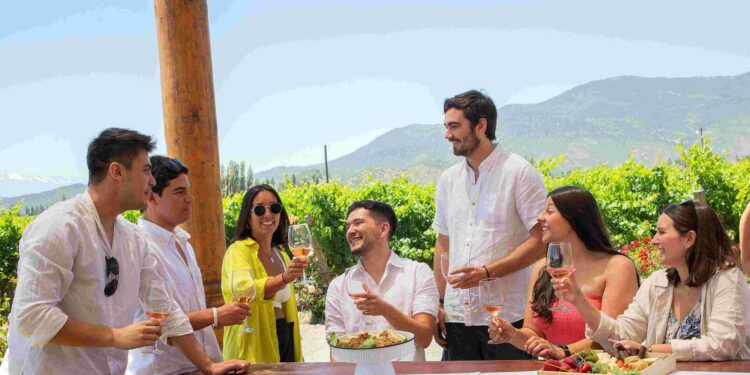
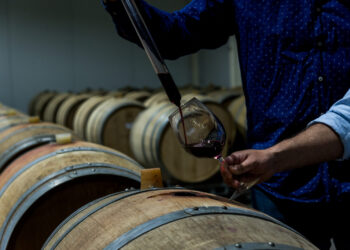
The recent modification to the regulations of Law 18,455 that officially recognizes the category of low-alcohol wines has opened a new chapter for the Chilean wine industry. Photo: Courtesy.

The recent modification to the regulations of Law 18,455 that officially recognizes the category of low-alcohol wines has opened a new chapter for the Chilean wine industry. Photo: Courtesy.

Share on FacebookShare on Linkedin

The recognition of low-alcohol wines, between 8.5° and 11.5°, in Chilean regulations occurs in a context of changes in consumption trends.

In various international markets, especially among young consumers, there is a growing interest in lower-alcohol beverages. Alternatives associated with more moderate consumption are also being sought.

For María Ignacia Eyzaguirre, executive director of Viña Encierra, This scenario represents a relevant opportunity. It is a possibility for the future development of the sector. The growing demand for wines with lower alcohol content represents an opportunity for the Chilean wine industry. It is especially relevant for the vineyards of the Colchagua Valley, he points out.

And he adds: “It allows us to diversify our offering, develop new lines of wine and reach segments of consumers who today are looking for lighter alternatives. Moreover, it brings us closer to people who want to moderate their alcohol consumption without giving up the glass. It also opens a door for us to connect with the new generations and bring them closer to the world of wine.”.

A transformation that generates debate

However, not everyone sees the trend from the same perspective. Mario Sebastián Ravanal, manager of Ravanal Vineyard, He acknowledges a growing demand for wines with lower alcohol content, especially visible in export markets. However, he warns that it is still premature to consider it a definitive change in consumer preferences.

“The demand exists and I will not deny it. The Chilean industry is undergoing a process of adjustment due to the decline in consumption and the rise of other categories of beverages with lower alcohol content. However, it is one thing to recognize a trend and another to assume that all consumers want light wines. The data show that traditional wines still have a place, especially in premium and boutique segments. In our case, we will continue to produce wines with conventional alcohol content and focus on finding those who value that style,” says the executive.
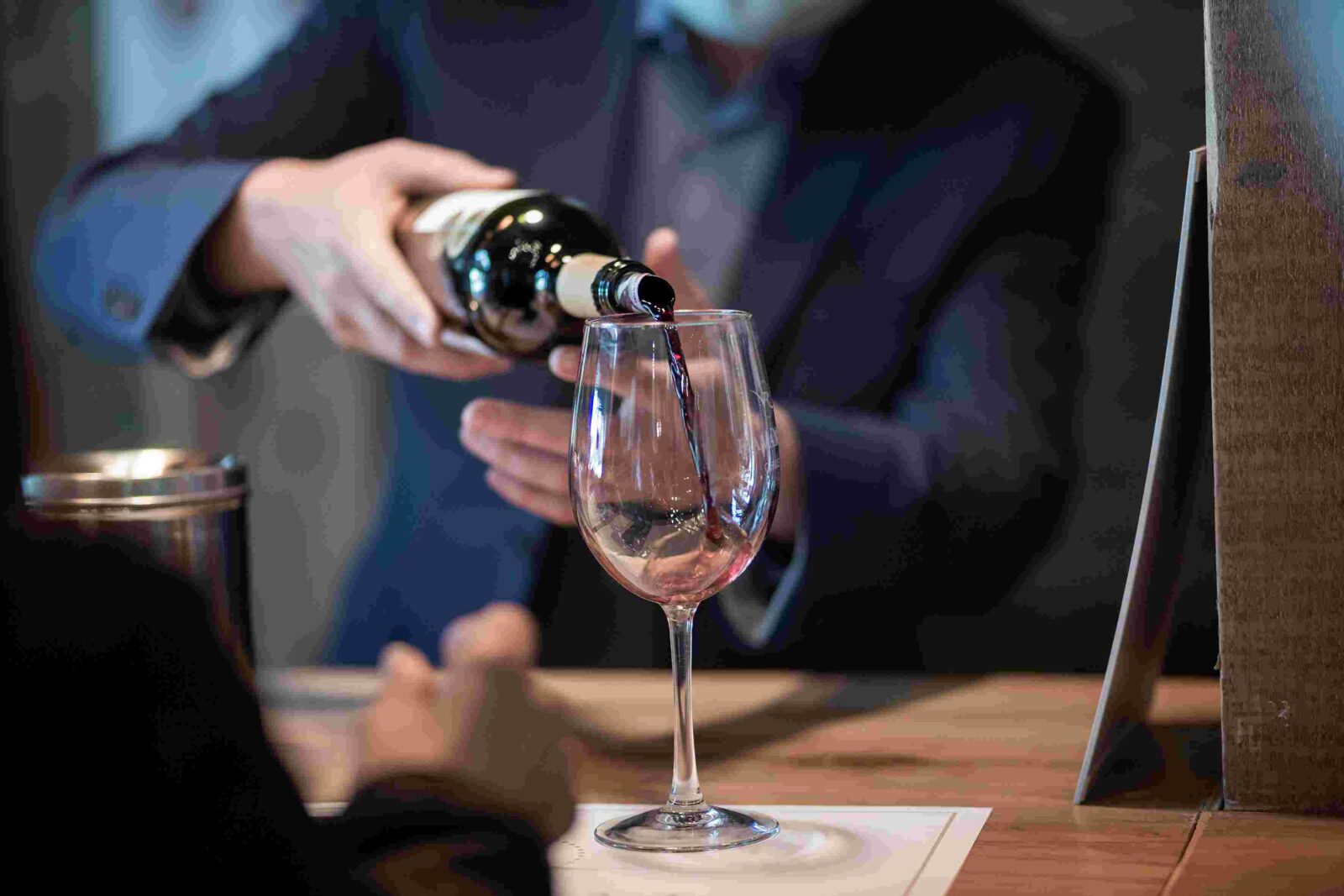
With the new legislation, some see an opportunity to conquer new consumers and markets, while others call for protecting the profile that has given Chilean wines international prestige. Photo: Courtesy.

For Ravanal, the creation of this new category should not be interpreted as a replacement for traditional wine, but as an expansion of the available offerings for different consumer profiles.

“If selling today is a challenge, we accept it: we will seek out customers who want a conventional vintage wine and we will not sacrifice the product,” says the general manager of Viña Ravanal.

Challenge without losing quality

Producing wines with less alcohol involves one of the most relevant technical discussions facing the industry today. Alcohol not only contributes to the degree of maturity, but also influences the structure, body, balance, and aromatic perception of the wine. Therefore, the way it is reduced is crucial for preserving the final quality.

According to María Ignacia Eyzaguirre, there are natural mechanisms that allow for moderate reductions without significantly affecting the product's identity.

Among these are the early harvest of the grapes, when they still have lower sugar levels, and the use of certain yeasts capable of producing less alcohol during fermentation. These practices affect the very source of the alcohol and allow the varietal expression and the character of the terroir to be maintained.

“If we talk about moderate reductions, for example, going from 14.5% to 13.5 percent alcohol, it is perfectly possible to maintain the quality, balance, and identity of the wine. Even in some cases, it is possible to gain freshness and improve drinkability. The challenge lies in achieving this naturally, because the consumer who seeks healthier products also values authenticity and origin,” notes the president of the Colchagua Vineyards Association.

For his part, Mario Sebastián Ravanal agrees that the methods applied in the vineyard are the most respectful of the wine, although he warns that the most significant reductions usually require technological processes that can alter the original characteristics of the product.

“Alcohol plays a fundamental structural role. It gives volume, supports aromas and helps with balance. When it is removed after fermentation through technologies such as reverse osmosis or vacuum distillation, important aromatic compounds can be lost. Doing it well requires technology and investment.”.

Can the identity of Chilean wine be changed?

Perhaps the most profound discussion relates to the historical identity of national wines. Chile has consolidated its international reputation thanks to varieties such as Carmenere, Cabernet Sauvignon and Syrah from valleys that produce wines of great structure, concentration and maturity. In this regard, Ravanal believes that this heritage should be protected.

“Chile has earned a place in the world with wines of strong personality, produced in valleys where the fruit reaches full maturity. That concentration and that natural graduation are part of our identity. My concern is not that there are wines with nine or ten degrees. What worries me is that differentiation is diluted and that the consumer loses the ability to clearly distinguish between a traditional wine and one adapted to a certain market trend,” he affirms.

Eyzaguirre, on the other hand, argues that both categories can coexist and complement each other. “Chile’s great strength lies precisely in its diversity. We have the ability to produce wines of different styles without losing authenticity. If we communicate our advantages well and keep our focus on quality, we can become an international benchmark for both traditional wines and wines with lower alcohol content,” he explains.

In any scenario, the Chilean industry faces an opportunity for evolution. The challenge will be to respond to new consumer demands, adapt to emerging climatic conditions, and capitalize on the business opportunities offered by international markets, while keeping in mind what has made Chilean wine one of the country’s most recognized ambassadors.


The Gastronomic Academy of Chile honors three national culinary icons.
Tags: Wine consumerViña EncierraRavanal VineyardColchagua VineyardsWine with less alcohol
Cristy Álvarez

Cristy Álvarez

Cristina Álvarez G., Chilean journalist and sommelier. Since 2023 she has been president of MUV Chile, advocating for the visibility of its members, and fostering various alliances and actions focused on promoting Chilean wine culture.

Articles Related

Cocina Sustentable Chile is the new brand that identifies the sustainability certification system for gastronomy developed under the Standard Clean Production Agreement for Sustainable Gastronomy. Photo: Courtesy.
Gastronomy

Sustainable Cuisine Chile: Chilean gastronomy advances towards a common standard of sustainability

Chile Wine Fest 2026 seeks to consolidate itself as a meeting place centered on the culture of wine, bring the wine industry closer to new audiences, and promote moderate consumption. Photo provided.
News

Chile Wine Fest 2026 returns with more than 40 wineries, gastronomy, and live music

Miguel Torres Chile maintains its Gold category in the IWCA after the approval of the 2025 emission inventory. Photo: Courtesy.
News

Miguel Torres Chile maintains its Gold category from IWCA

Carmenère al Mundo is the only international wine competition focused exclusively on the emblematic variety of Chile. Photo: Ruta del Vino Curicó.
Wines

ANIAE extends entries for Carmenère to the 2026 World Championships

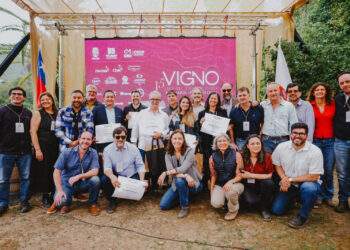
The International Seminar on Carignan “VIGNO 15 Años: From Maule to the World”, held on October 29 in Viña Gillmore, allowed to evaluate the path traveled by the association and project new challenges for the positioning of wines of origin. Photo: VIGNO.
News

VIGNO celebrates 15 years and projects the future of Carignan

“The Secret of the Flowers” invites you to discover the role that flowers play among the rows of vines and to end the day with a tasting of Ravanal wines in Colchagua. Photo: Courtesy.
Enotourism

Flowers among the straw bales: much more than just a landscape

No results
See all results

Categories

  • In-depth
  • Enotourism
    • Experiences
    • Wine Routes
  • Gastronomy
    • Spirits
    • Food pairings
    • Restaurants
    • Gastronomic Tourism
  • Events
  • Uncategorised
  • Wines
    • News
    • Features
    • Sustainability
    • Trending

Who we are

  • Log in
  • Entries feed
  • Comments feed
  • WordPress.org
From Chile to the Palate

De Chile Al Paladar celebrates wine culture, gastronomy and wine tourism, offering news, trends and reviews with a focus on the value of Chile's wine heritage and sustainability.

  • Wines
    • News
    • Features
    • Sustainability
    • Most read
  • Enotourism
    • Experiences
    • Wine Routes
  • Gastronomy
    • Restaurants
    • Food pairings
    • Spirits
    • Gastronomic Tourism
  • Events
  • Publish with us
equipo@dechilealpaladar.cl
Privacy Policy Terms and Conditions Disclaimer Biscuits Copyright
© From Chile To The Palate. All rights reserved.

Welcome back!

Sign in with Google
OR

Login to your account below

Forgot your password?

Recover your password

Please enter your username or email address to reset your password.

Log in
No results
See all results
  • Wines
    • News
    • Features
    • Sustainability
  • Enotourism
    • Experiences
    • Wine Routes
  • Gastronomy
    • Restaurants
    • Spirits
    • Food pairings
    • Gastronomic Tourism
  • Events

© 2026 River Studio Web Design.

Change language to Español de Chile

From Colchagua, representatives of Viña Encierra and Viña Ravanal analyze the scope of this category and the challenges it poses for the industry.