 Wines
 Enotourism

 Gastronomy



 Events
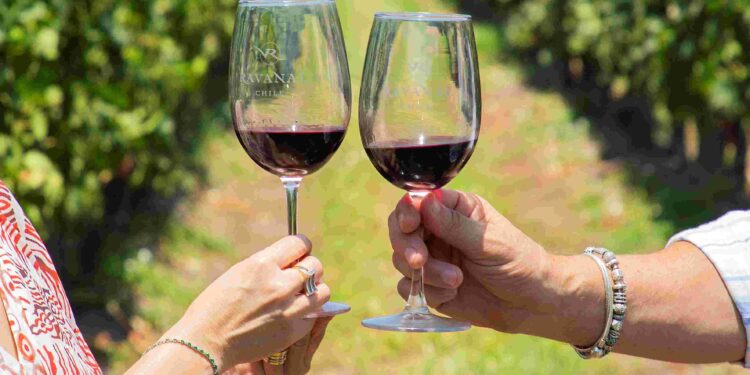
At first glance, a bottle of wine looks like just another product on the shelf, yet behind every label lies a production chain that can span years, involve multimillion-pound investments, weather risks, cutting-edge technology, specialised labour and a complex commercial strategy.
In a country that has established itself among the top wine exporters in the world, the question remains valid: what really explains the price of a great Chilean wine?
The answer is far from simple. Two prominent winemakers agree that the value of a bottle depends not only on the quality of the grape, but also on time, origin, ageing, taxes and the perception of Chilean wine both at home and abroad.
The invisible cost: time
For the head winemaker Ravanal Vineyard, Héctor Saldivia, one of the least visible factors for the consumer is precisely time. “Making wine is not immediate: the minimum process takes around five months from the harvest. However, a cellar-aged wine can require between one and several years before coming onto the market. The biggest hidden cost is time, as it implies a locked-up investment with no return during all that period.”.
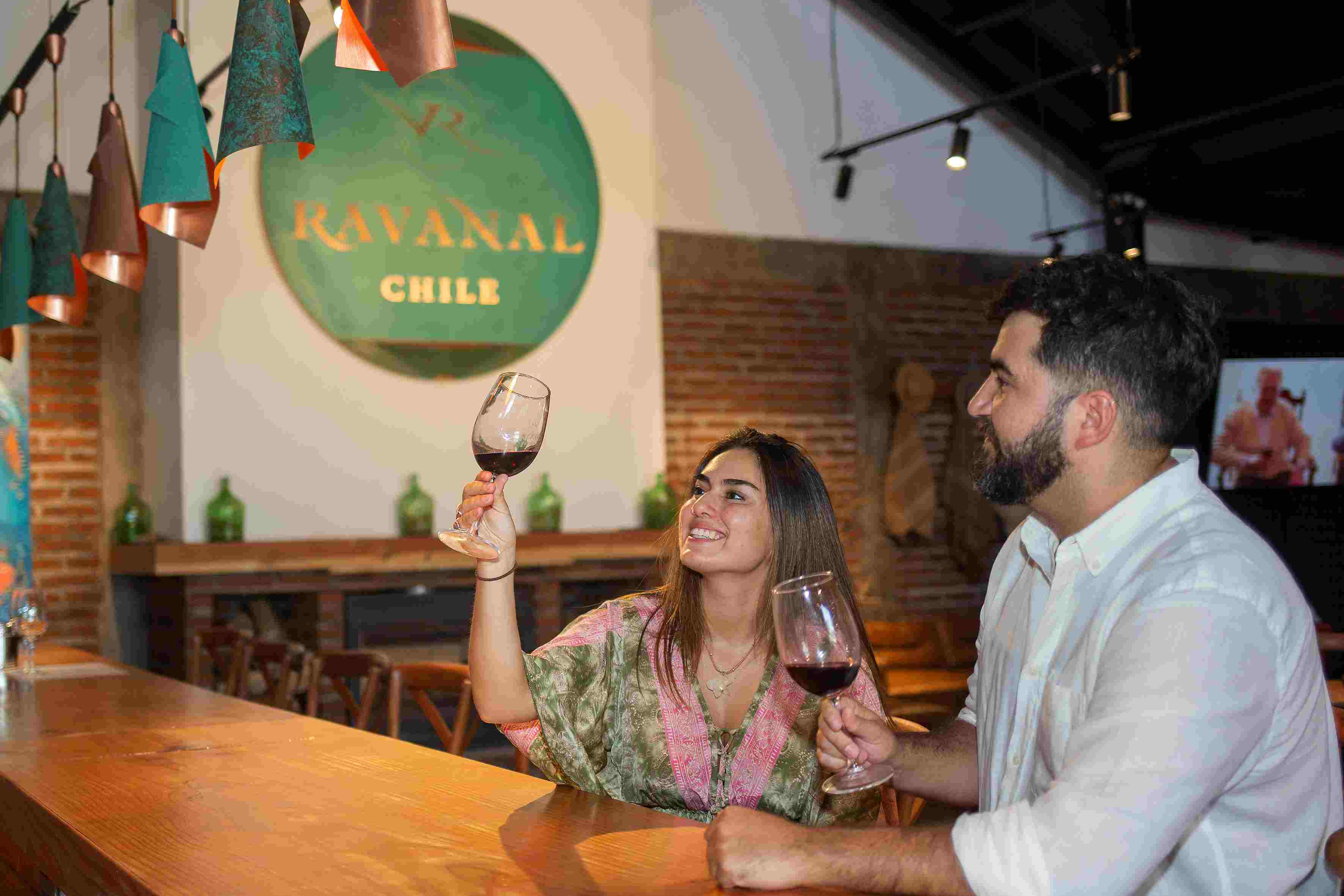
As he explains, a basic wine can have production costs of around US$2 per bottle, whilst a top-of-the-range wine easily exceeds US$5 even before it reaches the market, due to more stringent agricultural requirements, more complex winemaking processes and longer ageing periods.
Paradoxically, Chile is internationally recognised for offering one of the best price-quality ratios in the industry. Felipe de Solminihac, consulting winemaker for Viña Ravanal and director of Viña Aquitania, argues that: “The price-quality relationship of wine in Chile is very good. Wines in Chile are low-priced compared to other producing countries. The quality of our wines has nothing to envy from European ones and at a much lower price.”.
Saldivia shares that view and adds that precisely this strength has turned into a valuation problem: “Being so good and so cheap, their true value is often underestimated.”.
And international perception seems to back up that diagnosis. Various market analyses indicate that Chile continues to be seen in many destinations as a producer of wines of excellent quality but with lower prices than those of France, Italy or the United States.
The terroir: where value is born
When talking about premium wines, the word “terroir” inevitably appears. Soil, climate and agricultural management are determining factors in the final quality of the wine and also in its cost. “In top-tier wines, lower yields per hectare are favored to concentrate quality, which drives up costs,” explains Héctor Saldivia.
This is compounded by the impact of climate change, which has forced producers to cope with droughts, unseasonal rainfall and extreme weather events that affect production.
For Felipe de Solminihac, the concept goes beyond nature: “Climate and soil are two highly important constituents that we know as the wine terroir, but there is a third component, the human being; if they know how to make the most of what nature offers them, they will be able to produce a distinctive wine of great quality.”.
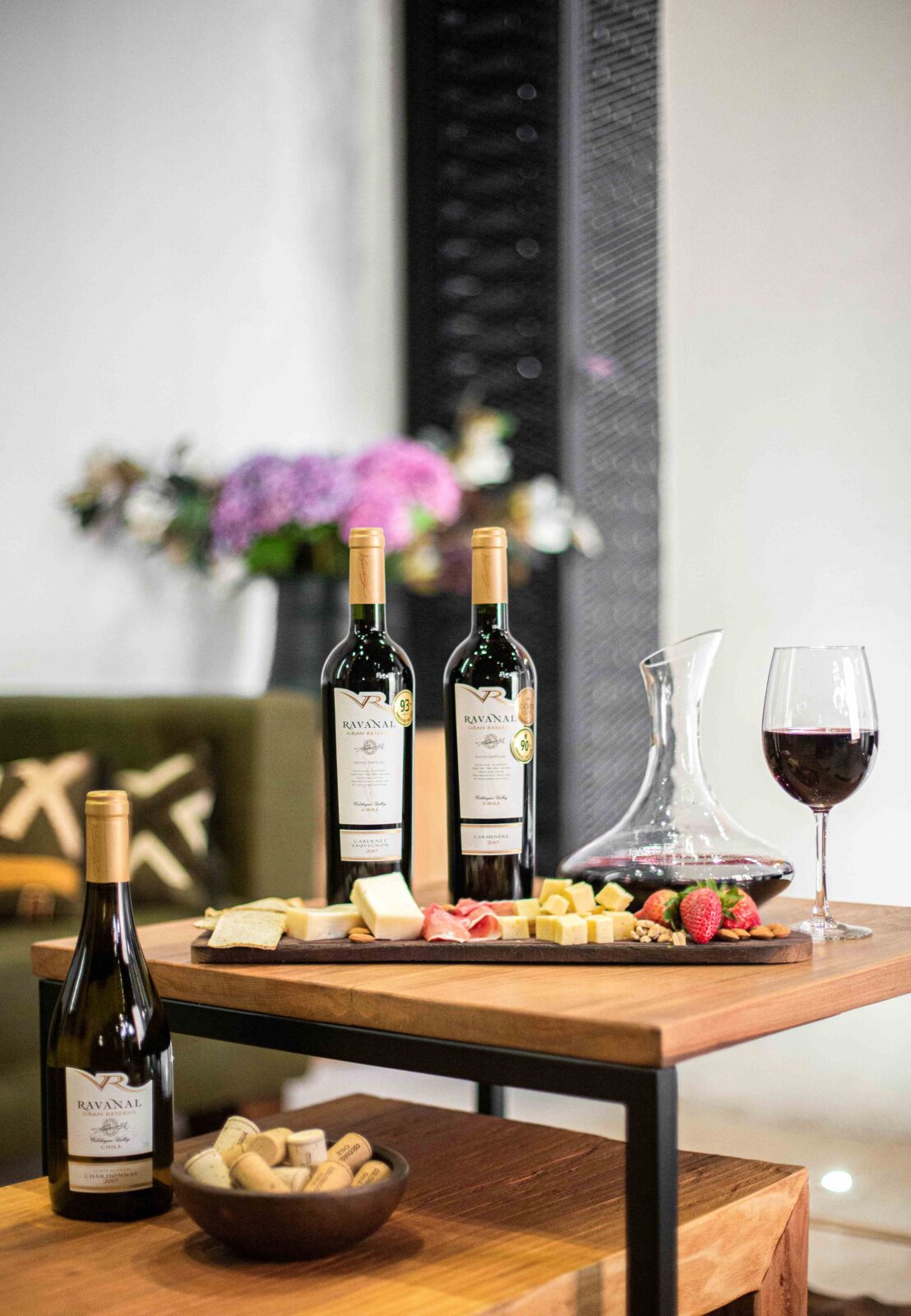
The climate challenge is not exclusive to Chile. International Organisation of Vine and Wine has warned that climate change has become one of the main factors affecting global production, forcing the industry to adapt permanently.
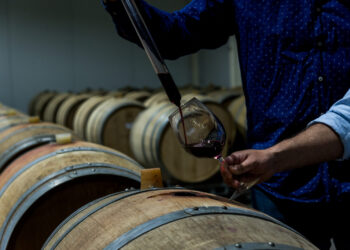
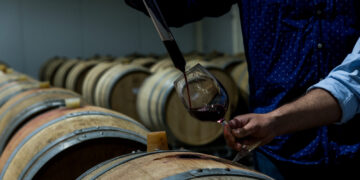
One of the most obvious differences between a mass-market wine and an icon wine lies in the ageing. While simpler wines may use budget-friendly wood alternatives, high-end wines use French or American barrels whose price can approach one thousand euros per unit.
So-called icon wines also stem from an extremely rigorous selection of vineyards, identifying specific sectors, particular rows and exact harvesting times.
An export powerhouse that still sells cheaply
Chile remains among the top four wine exporters on the planet. According to figures released from OIV data, the country exported around 7.1 million hectolitres in 2025, consolidating its position in global wine trade; however, the industry continues to face a historical challenge: increasing the value of its wines.
Felipe de Solminihac argues: “It has been very difficult for us to showcase the quality of our wines and defend that quality with the price it deserves”. Export data shows that a large part of the exported volume continues to be concentrated in lower-priced categories, while the industry tries to move towards premium and higher value-added segments.
Beyond technology and figures, specialists agree that the human element remains irreplaceable. From the workers who carry out pruning and harvesting to the winemakers who make decisions during years of ageing, there is a chain of knowledge that ultimately reflects in the bottle. “From manual harvesting to the definition of style in the winery, every detail directly impacts the final result,” concludes Héctor Saldivia.