 Wines
 Enotourism
 Gastronomy



 Events
Amid the fast-paced lifestyle that characterises big cities, more and more people are opting for getaways where relaxation goes beyond a simple change of scenery.
Today, experiences that combine nature, gastronomy and wine culture are positioning themselves as an alternative for those looking to reconnect with themselves and enjoy moments of wellbeing.
Various studies in environmental psychology have shown that contact with natural spaces helps to reduce stress, improves mood and contributes to recovering attention capacity after prolonged periods of mental demand.
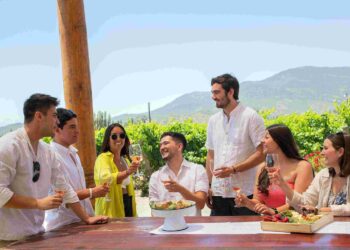
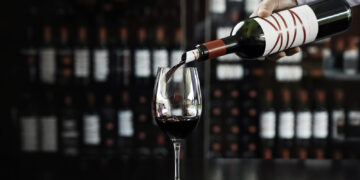
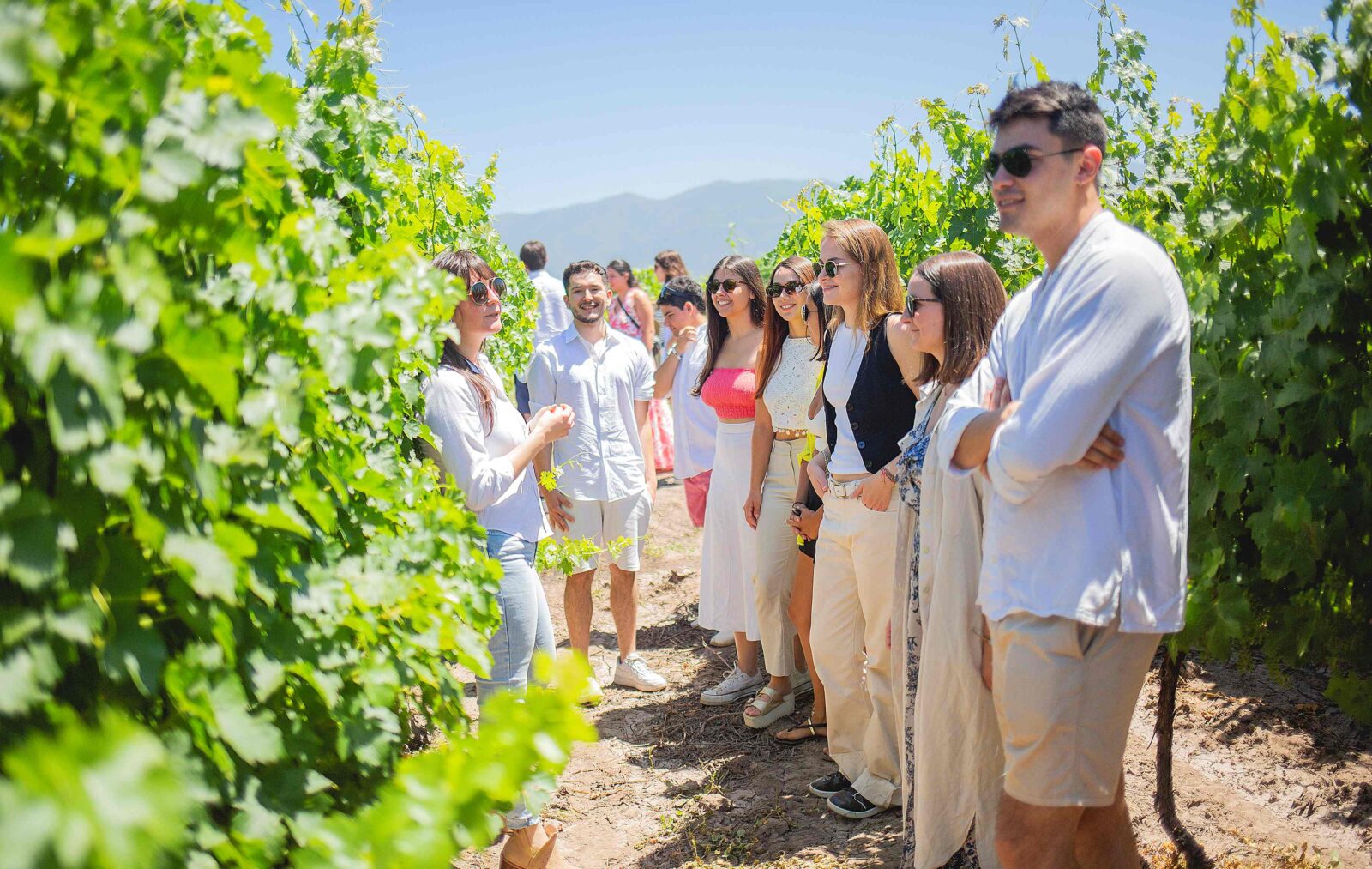
When that experience incorporates sensory and social activities, such as a guided wine tasting or a vineyard tour, its positive effects can be enhanced.
For clinical psychologist Gustavo Corrales, a specialist in emotional wellbeing and quality of life, these types of experiences respond to a need that is increasingly present in society. “People need spaces where they can reduce the overload of everyday stimuli. Walking among vineyards, breathing fresh air, pausing to observe the landscape and taking part in a mindful tasting promote relaxation processes that help to restore emotional balance.”.
The specialist argues that the value lies not solely in the wine, but in the entire context surrounding the experience. “When an activity invites us to slow down, share with others and connect with our senses, the brain reduces its levels of alertness and fosters states associated with well-being and satisfaction.”.
An experience that goes beyond the glass
Viña Ravanal explains that this has precisely been one of their main objectives when designing their wine tourism experiences. Their marketing manager, Carmen Paz Ravanal, points out that wine can become a bridge to connect with the region and local history.
“A wine experience transcends the gastronomic when it manages to generate an authentic connection with the surroundings, the people and the history behind every glass. Wine has the ability to invite us to slow down our daily routine, enjoy the present moment and share with others in an atmosphere of tranquillity and contemplation,” he explains.
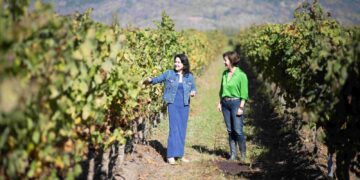
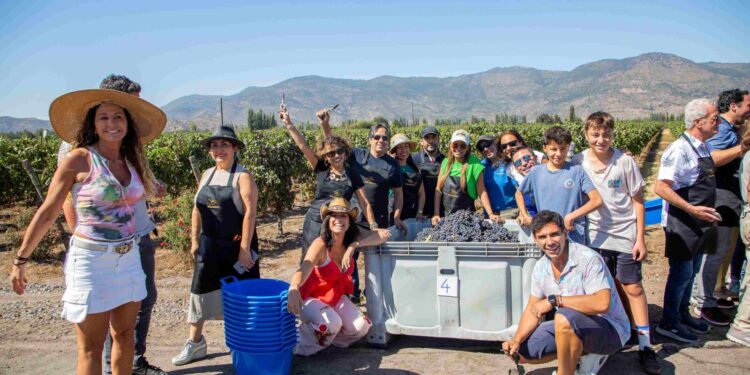
The executive adds that in Ravanal Vineyard they aim for every visit to offer insight not only into their wines, but also into the heritage of the Colchagua Valley. “Our tours of centenary vineyards allow visitors to walk among vines with over a hundred years of history, breathe fresh air and connect with the landscape. Furthermore, the vineyard is set within a typical Chilean village, which allows people to discover traditions, artisans and small local businesses,” she comments.
The restorative power of nature
Psychologist Sofía Armas, who is dedicated to the study of positive psychology, explains that activities carried out in natural environments activate psychological mechanisms associated with emotional recovery. “Nature reduces the feeling of mental saturation. When we also incorporate sensory experiences, such as appreciating aromas, flavours and textures, attention is focused on the present, reducing repetitive thoughts and promoting a greater sense of wellbeing.”.
According to the specialist, wine tourism brings together several factors considered protective for mental health. “There is social interaction, learning, contemplation, stimulation of the senses and a connection with the cultural identity of a region. That combination generates emotionally significant memories that usually endure over time.”.
Purposeful tourism
The trend coincides with the international growth of the so-called slow tourism, a way of travelling that favours more leisurely, authentic and sustainable experiences over mass, fast-paced itineraries. Along these lines, Carmen Paz Ravanal points out that today visitors are looking for experiences with greater emotional content.
“There is a growing demand for proposals that integrate learning, sensoriality and purpose, favouring intimate formats that allow for a genuine connection with nature, local culture and communities. The focus is on developing perception and knowledge, not on excessive consumption. We want people to learn to enjoy the moment, time and the experience surrounding wine, she states.
More than a passing trend, specialists agree that experiences linked to wine, gastronomy and nature reflect a profound change in the way wellbeing is understood.
For Viña Ravanal, this concept is also linked to a balanced lifestyle. “Through guided experiences, we promote the concept of moderate pleasure: wine as a dining companion, favouring quality over quantity, the pause over immediacy and connection over isolated consumption,” explains Carmen Paz Ravanal.
In a context where stress and hyperconnectivity are part of the daily routine, stopping to tour a vineyard, sharing an open-air conversation and enjoying a glass in moderation emerges as a different way of travelling: an experience where wellbeing is born from the balance between nature, culture and shared time.