 Wines
 Enotourism

 Gastronomy




 Events
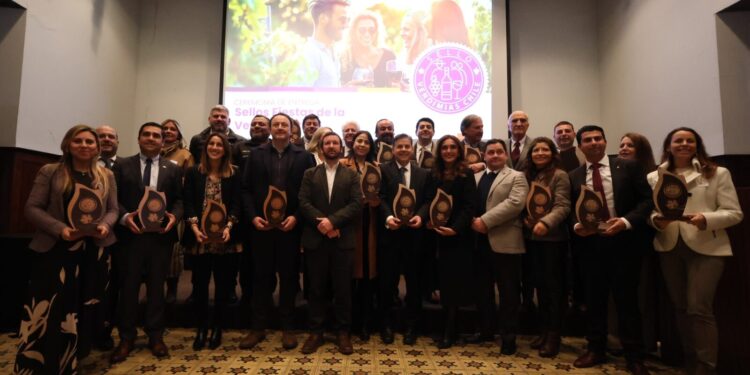
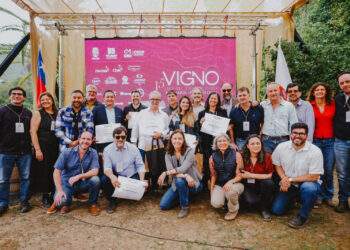
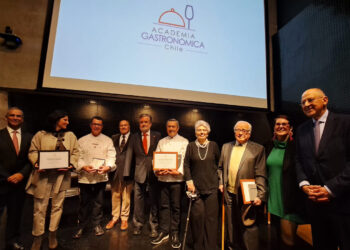
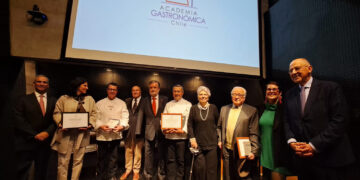
At a ceremony held at the Recoleta Dominica Historical Museum, Wine tourism Chile from Corfo delivered the Grape Harvest Festival Stamps 2026 to the 16 organisations that obtained and/or renewed this recognition after implementing the Good Practice Manual, consolidating in its second edition a national standard to raise the quality, safety, sustainability and territorial identity of these wine tourism events.
At an event that brought together national, regional and local authorities, mayors, tourism and wine industry associations, alongside the teams responsible for recognised wine harvests.
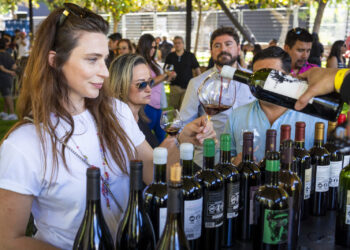
In this regard, the figures reflect the scale that these celebrations have reached within the national tourism calendar. During 2026 it was officially reported 48th Wine Harvest Festival, which drew 1.3 million attendees across various valleys of the country.
Of this total, 822,000 people took part in the 16 grape harvest festivals awarded the seal, representing 63.2% of the recorded attendance, confirming their status as highly attractive cultural, family and regional events.
Local Strengthening and Development
In its second year of implementation, the process received 18 applications and honoured 16 festivals from the Huasco Valley to the Biobío.
Eight wine harvest festivals renewed their certification —Casablanca, Isla de Maipo, Maipo Valley, Colchagua, Campus Colchagua University, Marchigüe, Curicó and Portezuelo—, while eight new celebrations were added to the recognition: Huasco Valley, Ovalle, Vendimia Fest, San Francisco de El Monte, San Fernando, Peralillo, Quillón and Millapoa.
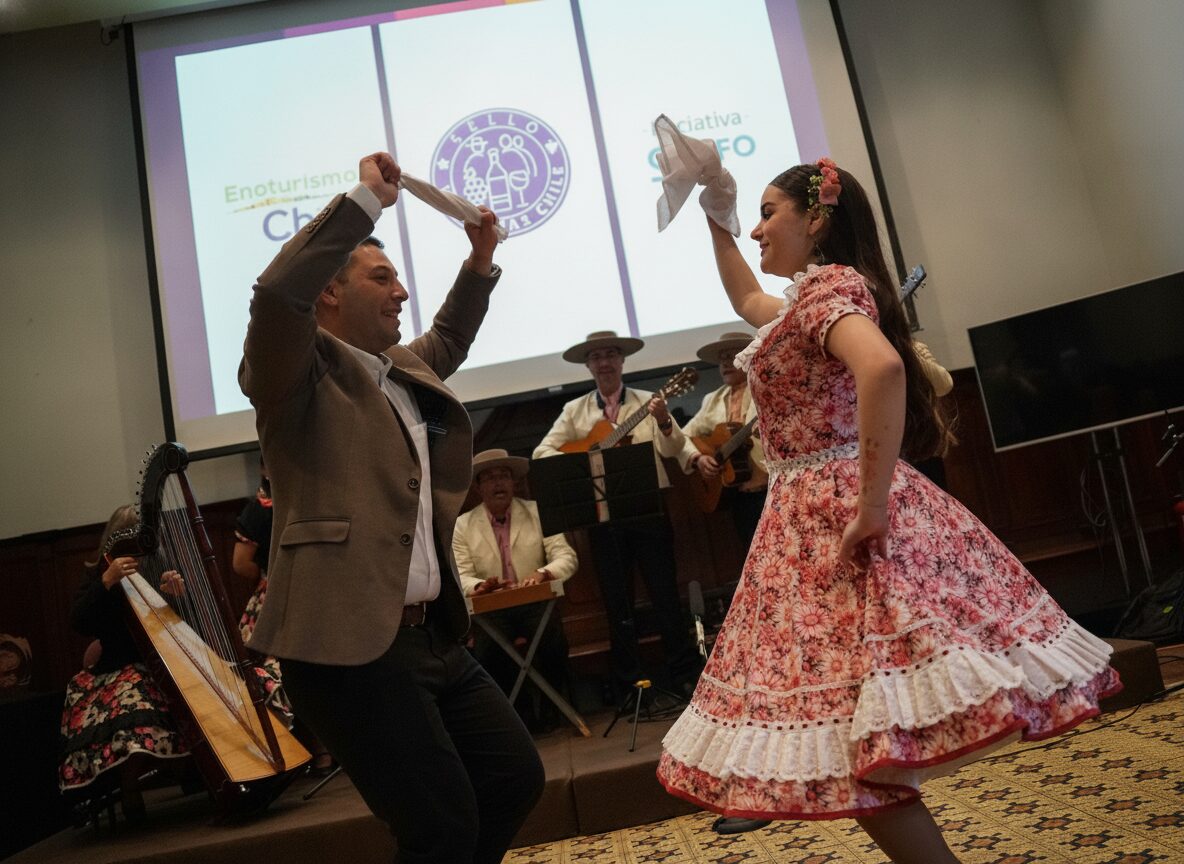
This progress reflects the establishment of a common standard across diverse formats: large urban events, rural grape harvests, heritage celebrations, university initiatives and community gatherings.
For the Territorial Development Manager of Corfo, Juan Francisco Montes, “this type of programme reflects the real impact of territorial development with a country-wide perspective. By boosting Chile's wine valleys through the development of wine tourism, we not only energise local economies, but we also strengthen identity and tourism nationwide. At Corfo, we understand that development is not centralised; that is why we promote these initiatives that transform the effort of each region into an engine of value, innovation and competitiveness for the whole Chilean territory”.
One of the main advances of this second edition was the consolidation of the Good Practice Manual as a concrete management improvement tool for organisations in the sector.
The instrument increased by 32 to 39 evaluation criteria, organised into six areas: planning, safety, sustainability, territorial identity, promotion of wine culture, visitor experience and dissemination.
“The Grape Harvest Festival Seal is much more than a recognition: it is a management and continuous improvement tool. It enables organisations to plan ahead, incorporate technical criteria and understand how the public evaluates their experience, identifying concrete opportunities to move towards more professional, sustainable harvest festivals connected to their territories. This process reflects our purpose as a programme: to raise the sector's standards and project Chile as a wine tourism destination with identity, quality and a vision for the future, stated Claudio Cilveti, President of Enoturismo Chile.
Visitor profile
The impact of the grape harvests is also reflected in the behaviour and spending generated at each event. The 2026 Visitor Profile study, carried out by the Undersecretariat of Tourism and Wine Tourism Chile, it allows for a deeper understanding of motivations, consumption habits, travel group composition, experience evaluation and opportunities for improvement for organisations.
The results confirm that the Grape Harvest Festival is a predominantly family-oriented event with an increasingly loyal following.
The audience remains predominantly regional, although the number of visitors from other regions is increasing — from 22.1% to 24.5% —; it is concentrated in the 35–44 age group (30.2%) and is predominantly female (61.4%). Furthermore, 59.5% say they will visit or have already visited another grape harvest festival this season, cementing these celebrations as part of Chilean families’ leisure and cultural calendar.
In terms of spending, the 2026 visitor prioritises the core experience of the event: food (average $30,680), transport ($22,780), souvenirs and handicrafts ($16,220) and additional leisure activities ($7,435).
The overall assessment shows high levels of satisfaction with safety (86.2%), service at stalls (85.8%) and local crafts and products (81.8%), reinforcing the role of grape harvest festivals as catalysts for local economies and showcases for the regions’ tourism, food and wine, and heritage offerings.
With this second edition, the Grape Harvest Festivals Seal reaffirms its value as a national tool to support the evolution of these celebrations, strengthen the management of their organisations and project them as tourist experiences with identity, quality and territorial impact.
Through Corfo's Enoturismo Chile, this process aims to ensure that the grape harvests continue to grow as living expressions of wine culture and as spaces capable of connecting tourism, heritage, and local development.
Wine and nature: an appealing formula for emotional well-being.