 Wines
 Enotourism


 Gastronomy





 Events



Testimonies from wine tourism representatives of the Colchagua Valley and prominent vineyards in the area agree on one diagnosis: the activity continues to operate normally. And although the storms have forced some adjustments, the impact has been considerably less than many might imagine.
From the Colchagua Chamber of Tourism, its president, Mauricio Retamal, states that they have coped with the storms without major complications and that tourism activity continues to develop normally.
“The situation in the vineyards is normal. In the Colchagua wine-producing valley, everything is quiet, everything is safe, everything is fine, with wine tourism operating normally,” he states.
In Retamal's view, the rainfall has arrived at a particularly favourable time for the valley, following years marked by water deficits. “Agriculture had been suffering from a drought lasting several years. These rains are the solution to the drought; it's very good for various agricultural and fruit crops,” he maintains.
Recovery opportunity
Although the cold front caused a temporary decrease in the arrival of visitors and forced the suspension of some outdoor activities, the gastronomic and hotel offerings, as well as the experiences inside the vineyards, continue to operate normally, allowing the valley to maintain its operations during the most difficult days.
A similar assessment is made by Carmen Paz Ravanal, Marketing Manager of Ravanal Vineyard, who points out that the rainfall has been beneficial for the vineyards and that tourism operations have practically not been affected.
“The current state of the vineyards is normal and positive. We were coming from a season with a significant lack of water, so this rain is very welcome and represents a beneficial contribution to the soils and water reserves for the upcoming production cycles,” he notes.
Optimistic outlook
Meanwhile, the executive explains that it was only necessary to make minor adjustments during the days of heaviest rainfall.
“During the days of heaviest rainfall, we adjusted our schedules. We promptly suspended outdoor activities, such as golf cart tours of the century-old vineyards. We always prioritise the safety of those who visit us.” However, the winery and tasting areas continued to operate completely as normal, she remarks.
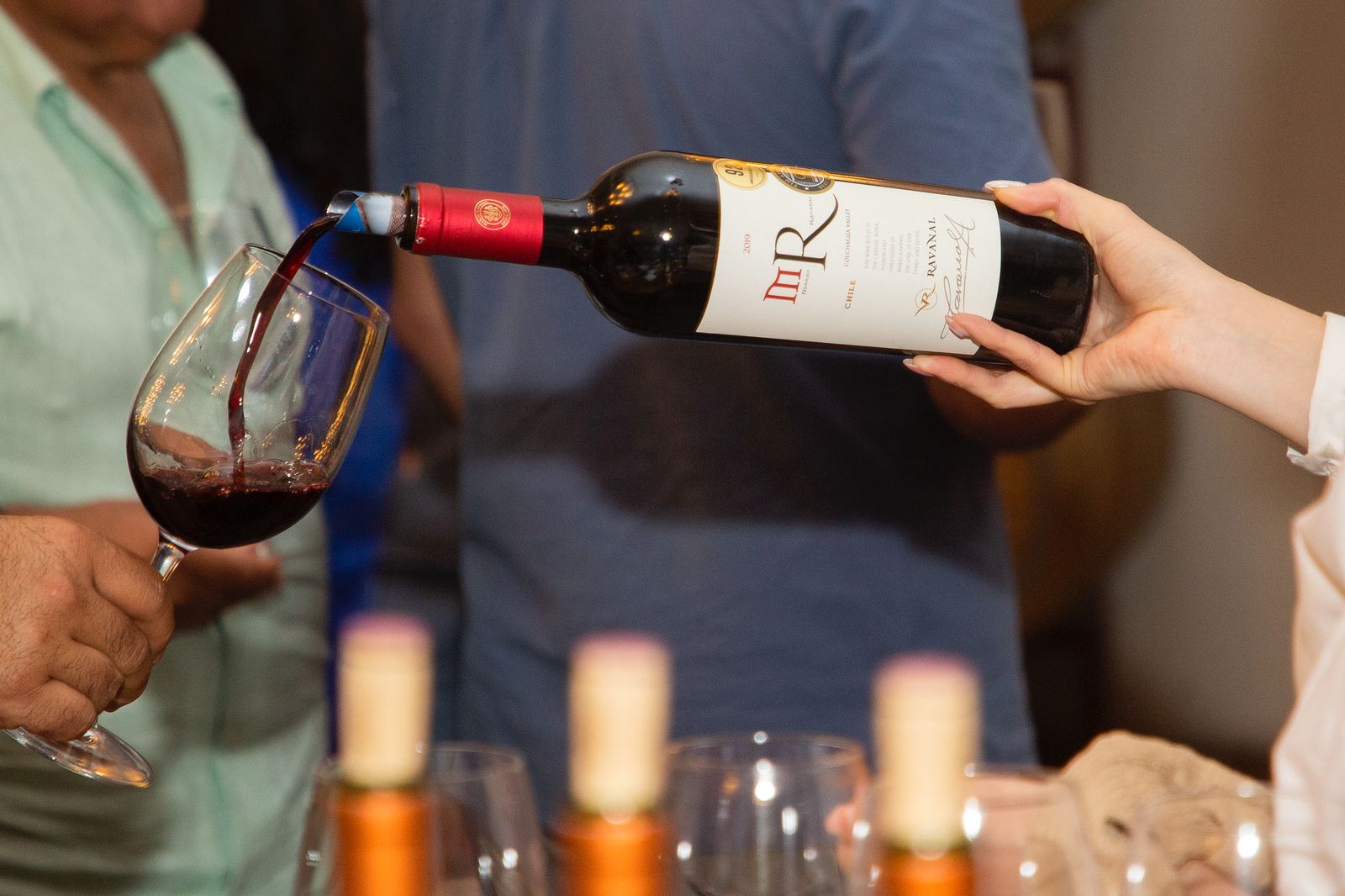
Nonetheless, Ravanal considers that the main challenge for wine tourism is not the climate, but rather raising awareness of the valley's offering among those who visit Chile during the winter.
“Let's be honest: the real effect isn't the rain. It's that today's winter tourist, predominantly Brazilian, arrives in Chile thinking only of the snow and very rarely knows that just a few hours from the mountain range a premium wine tourism experience awaits them. That disconnection, and not the storm, is the underlying challenge we are facing this season, he emphasises.
From a productive perspective, Gerardo Leal, viticulturist at Viña Santa Rita, agrees that “the rainfall has been positive. This is especially due to the recharging of water in the soils during the dormant period.”.
Drive and Projection
“Vineyards in their dormant stage should not have commitments of any kind. The volumes of water that have fallen in a short space of time have ensured that we reach greater depth. In our case, the cover crops have allowed good water infiltration, less waterlogging and runoff, he explains.
However, he acknowledges that the storm has also forced changes to the planning of agricultural work. “The first challenge has been to reschedule winter tasks. In the middle of pruning weeks, we’ve had to suspend work, both manual and mechanised. The schedule will be delayed by about ten days, as he points out.
For Leal, these phenomena are part of a scenario to which the industry will have to get used. “These extreme rainfall events in a short space of time are related to climate change and are episodes that are going to repeat themselves. However, they have also made it possible to recharge the soils, refill reservoirs and secure water to produce grapes in quantity and quality during the summer,” he concludes.
With an eye on the coming spring and the following grape harvest, the consensus among sector stakeholders is clear.
Far from turning into a threat to Colchagua's wine tourism, this winter's rains could become one of the best allies for the future of the region's wine and tourism activity.
The new history of Chilean wine is being written in Los Lagos.